

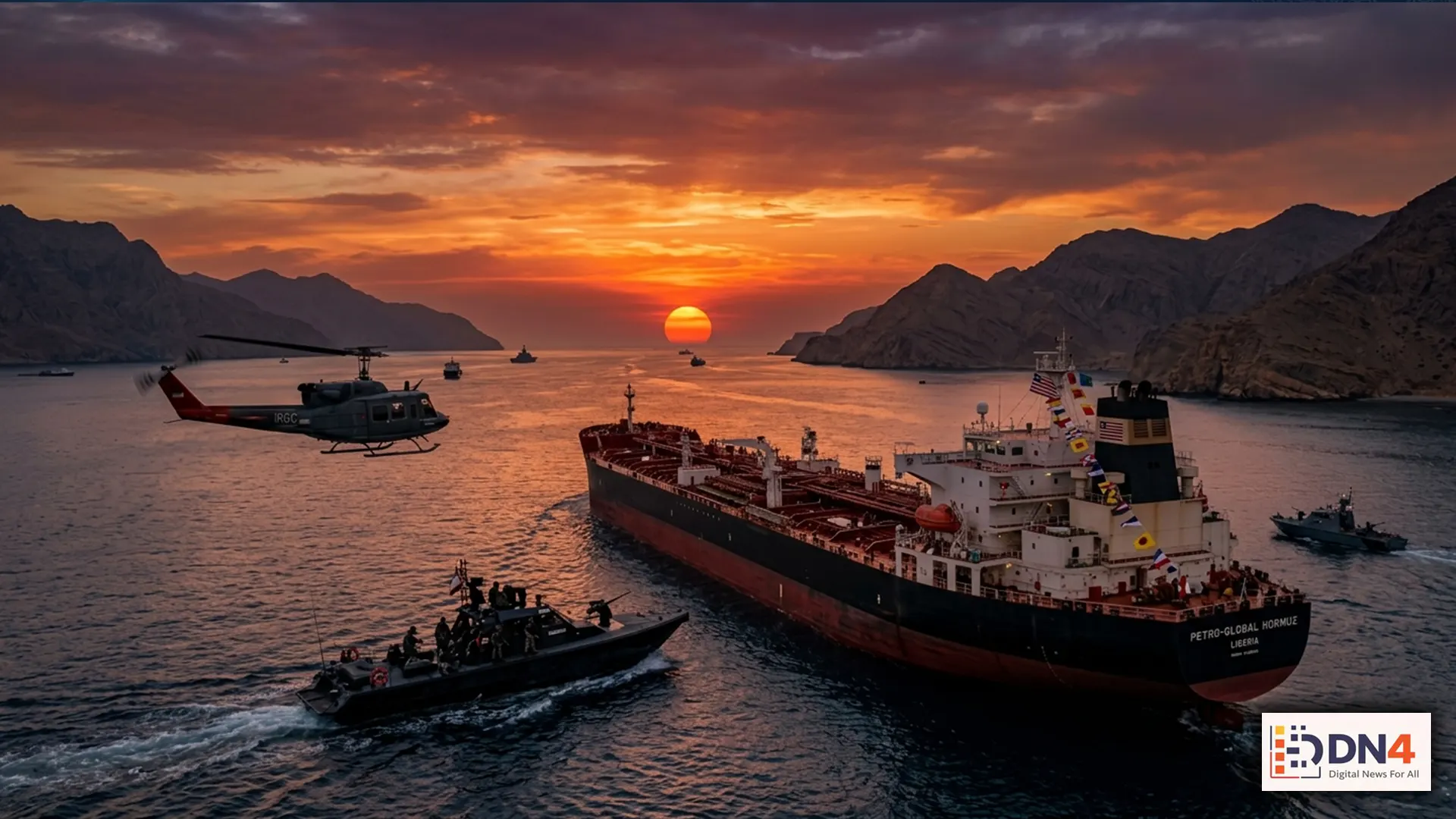
The fragile US-Iran ceasefire continues to dominate global headlines in 2026, with major implications for oil markets and international supply chains. While tensions have temporarily eased, uncertainty remains high—keeping investors, governments, and businesses on edge.
Current Ceasefire Status
The ceasefire between the United States and Iran is widely viewed as unstable. Reports from Reuters Middle East coverage indicate that negotiations are ongoing, with no permanent agreement in place.
Geopolitical risks remain elevated, particularly around key shipping routes and military activity in the region. Analysts tracking developments via Bloomberg Middle East emphasize that markets are reacting more to uncertainty than actual conflict escalation.
🛢️ Oil Prices: Why Volatility Continues
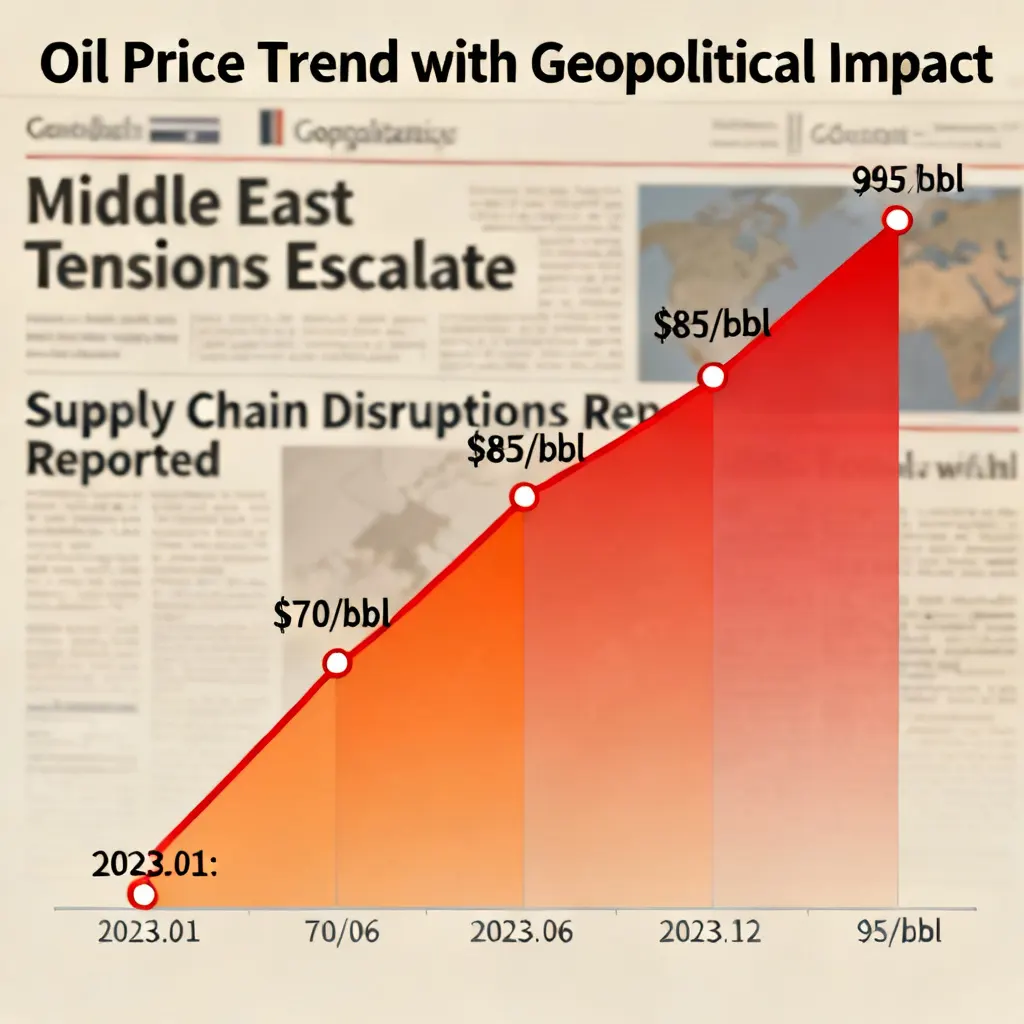
Oil prices have been swinging sharply in response to ceasefire developments. According to CNBC energy news, even minor updates on negotiations can trigger rapid price movements.
- Prices rise when tensions increase
- Prices dip when ceasefire hopes improve
- Volatility remains due to uncertain supply conditions
Data from OPEC reports suggests that global oil supply is highly sensitive to disruptions in the Middle East.
Strait of Hormuz: The Critical Bottleneck
The Strait of Hormuz remains the most important factor in this crisis. Roughly 20% of the world’s oil supply passes through this narrow channel.
Insights from International Energy Agency (IEA) highlight that any disruption in this region can instantly impact global energy markets.
- Shipping delays due to security concerns
- Higher insurance costs for oil tankers
- Reduced confidence in supply stability
Impact on Global Supply Chains
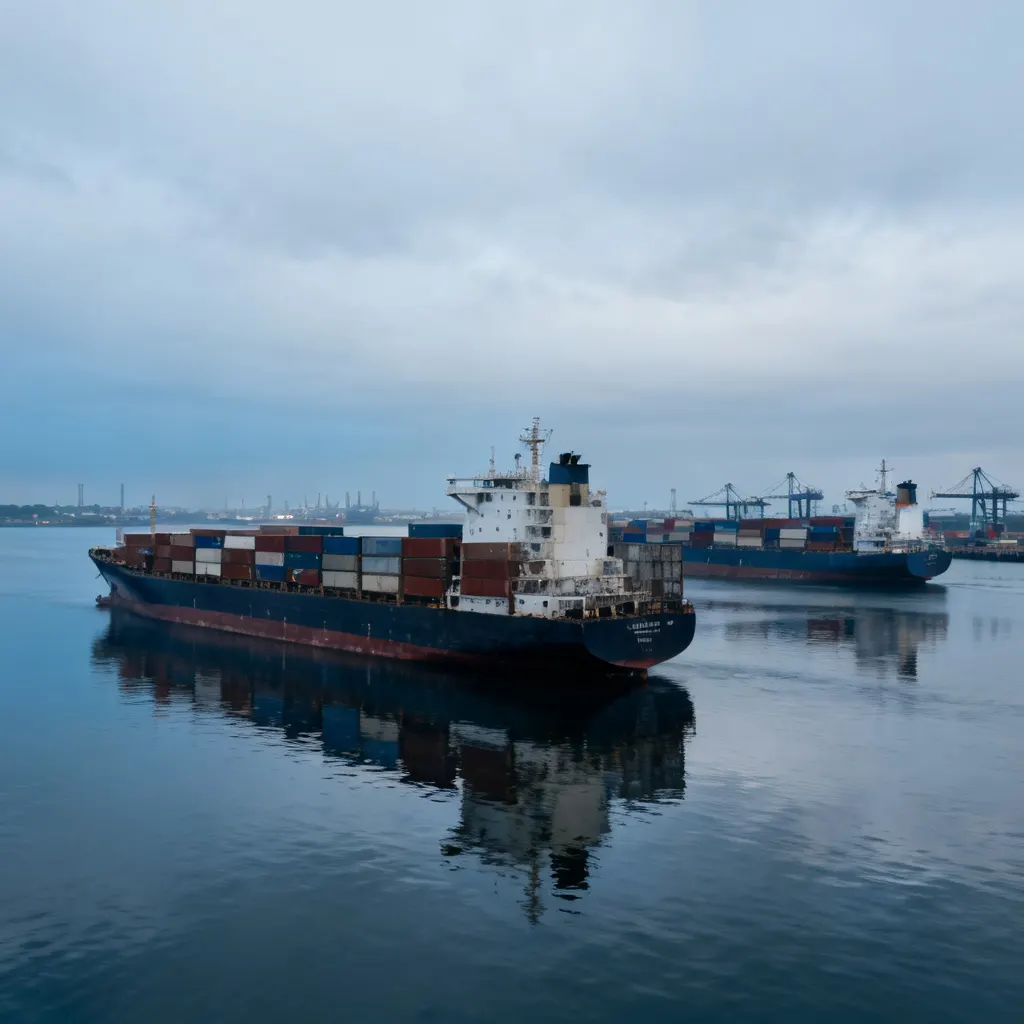
The ripple effects of the ceasefire extend far beyond oil prices. Supply chains worldwide are experiencing disruptions due to increased costs and delays.
According to McKinsey supply chain insights, geopolitical tensions are now a major driver of logistics instability.
Key Effects:
- Shipping delays: Longer transit times and rerouted cargo
- Rising costs: Fuel and freight expenses increasing
- Industrial impact: Manufacturing slowdowns due to supply shortages
Inflation & Economic Pressure
Higher oil prices directly impact inflation, affecting fuel, transportation, and food costs. Reports from World Bank energy analysis show that energy shocks often trigger broader economic pressure globally.
Market Outlook
Short-term forecasts suggest continued volatility, while long-term trends may depend on geopolitical stability and energy transition efforts.
- Short-term: Price swings and uncertainty
- Mid-term: Supply chain adjustments
- Long-term: Shift toward renewable energy
Industry data from Statista oil market trends indicates growing investment in alternative energy sources as a response to geopolitical risks.
The US-Iran ceasefire provides temporary relief but does not eliminate risk. Oil prices and global supply chains will likely remain volatile until a more stable resolution is achieved.
For now, businesses and investors must navigate a landscape defined by uncertainty, rapid changes, and evolving geopolitical dynamics.
#USIran #OilPrices #GlobalEconomy #SupplyChain #EnergyCrisis #Geopolitics #OilMarket #BreakingNews