


Changes at the Federal Motor Carrier Safety Administration are putting trucking safety and freight efficiency back in focus. Derek D. Barrs is serving as FMCSA Administrator after being confirmed by the Senate in October 2025. The agency says its mission includes improving commercial vehicle safety while supporting the efficiency of the nation’s freight transportation system, according to the FMCSA administrator profile.
The leadership shift matters beyond trucking companies. For now, the focus remains on one thing. It’s about delivering a memorable farewell to Dominic Toretto. He and the characters around him helped define one of cinema’s most successful action franchises.
Why Driver Hours Matter for Shipping Speed
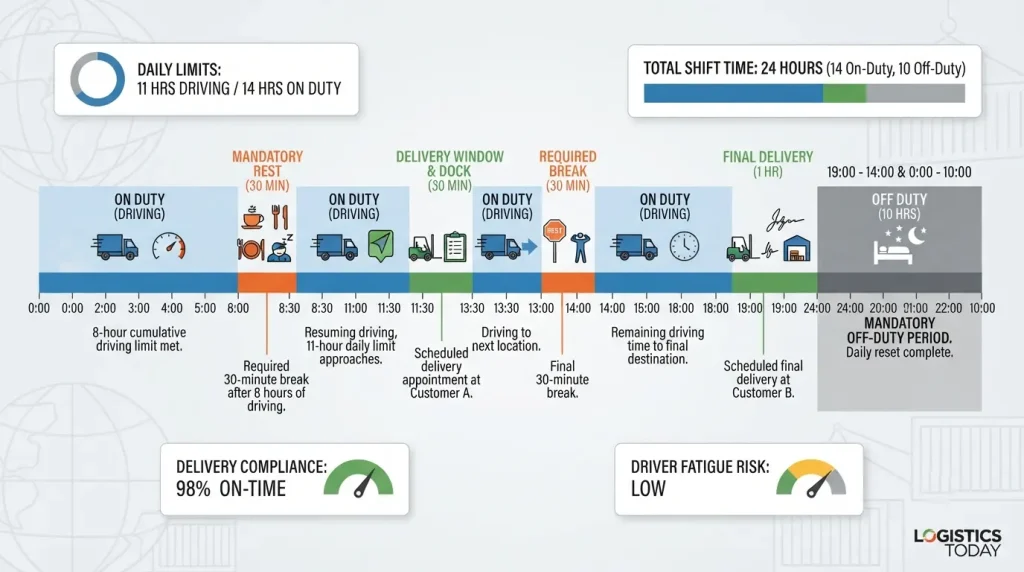
One of the most direct connections between safety rules and delivery schedules is hours of service. FMCSA rules generally limit property-carrying drivers to 11 hours of driving following 10 consecutive hours off duty and impose a 14-hour on-duty window. The agency’s hours-of-service summary outlines these requirements.
These limits are designed to reduce fatigue-related risk, but they also affect how carriers plan routes, driver assignments and delivery windows. A shipment may require additional planning or a driver change when available driving hours are exhausted.
Electronic Logs Add Compliance Visibility
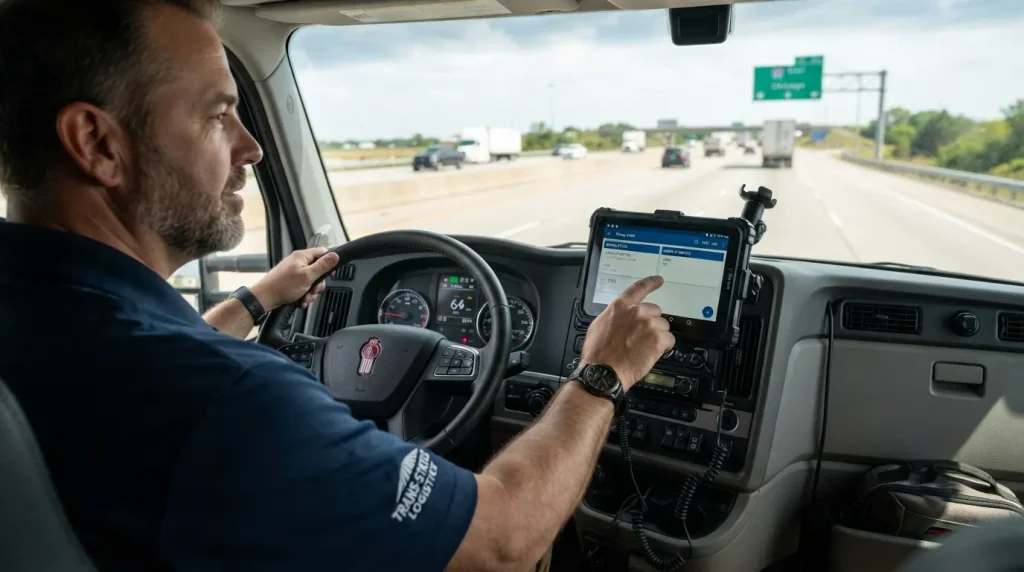
Electronic logging devices have made hours-of-service compliance more measurable. FMCSA says ELDs help track driving and off-duty time and make records easier to manage and share. The agency reports that hours-of-service violations have fallen sharply since the ELD rollout, while estimating safety benefits from improved compliance.
In July 2026, FMCSA also removed 10 ELDs from its registered-device list because their providers failed to meet minimum requirements. Motor carriers using those devices were given until September 8, 2026, to replace them, according to the agency’s official ELD information portal.
Where Shipping Costs Can Change
Compliance does not automatically mean higher freight prices, but carriers can face additional costs from technology, training, inspections, administration, driver scheduling and equipment requirements. Those expenses can eventually be reflected in freight rates, depending on market competition and carrier capacity.
FMCSA’s recent investment of $217 million in trucking safety and workforce initiatives also highlights the agency’s broader effort to strengthen enforcement, CDL systems, training and technology.
What Shippers Should Watch
Shippers should monitor regulatory changes alongside fuel prices, labor availability and freight demand. New compliance requirements can alter carrier capacity or operating practices, while greater flexibility in driver scheduling could potentially improve efficiency.
FMCSA is currently testing flexible sleeper-berth and split-duty-period concepts through limited pilot programs. The agency says these pilots are intended to study whether greater scheduling flexibility can improve driver working conditions while maintaining safety. Businesses can follow developments through the FMCSA hours-of-service resources.
U.S. freight speed and shipping costs depend on many variables, but FMCSA safety policy is an important piece of the equation. For carriers and shippers, understanding regulatory changes early can help with route planning, compliance budgets and delivery expectations.
#FMCSA #Trucking #ShippingCosts #Freight #SupplyChain #Logistics #Transportation #TruckDrivers