

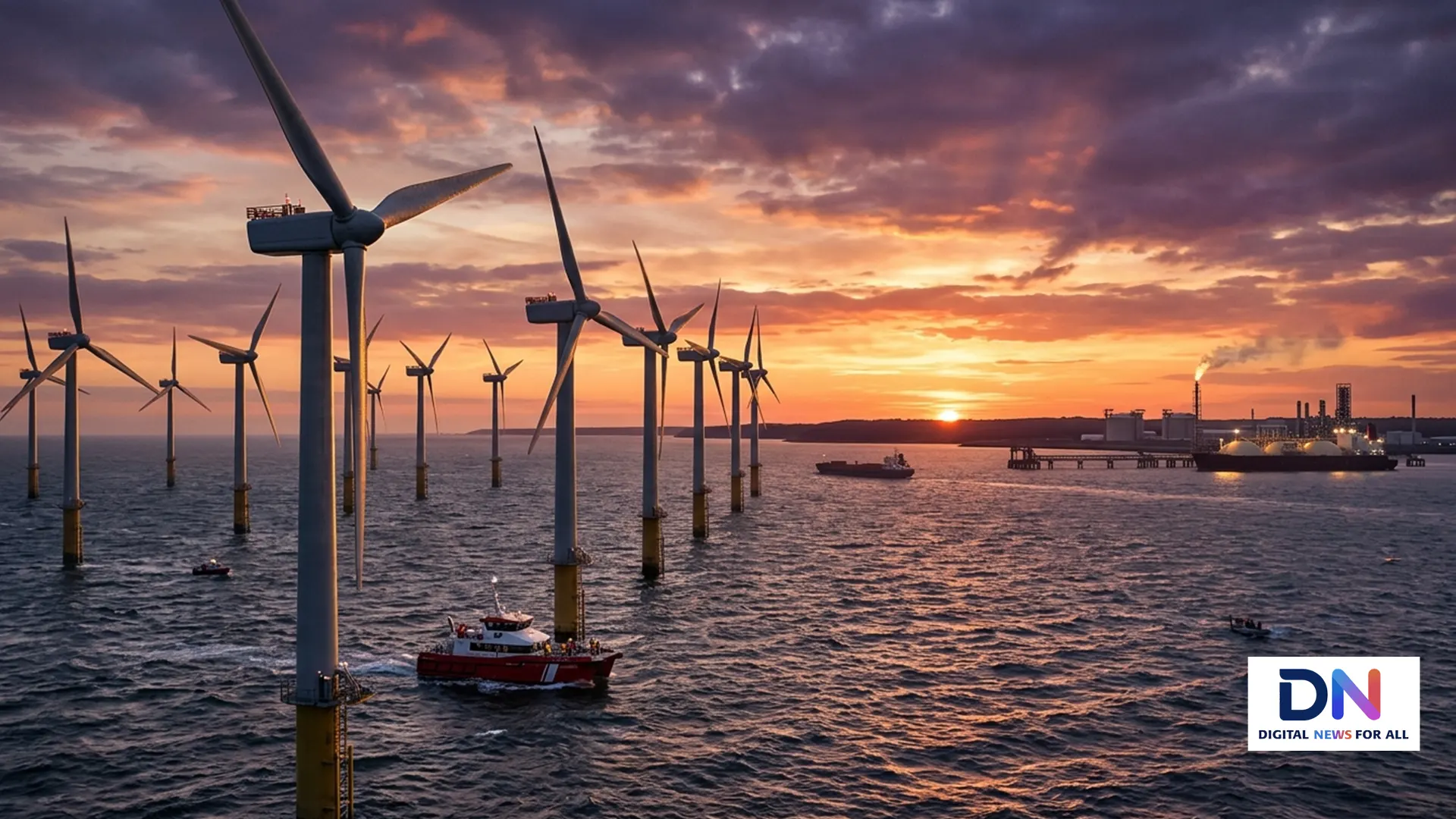
The wind farm buyout involving French energy giant TotalEnergies has intensified debate over America’s energy future. In March 2026, the federal government agreed to reimburse nearly $928 million in offshore wind lease payments as the company relinquished two planned projects near New York and North Carolina. The company committed an equivalent amount to U.S. oil and gas development instead.
Why Were the Wind Projects Canceled?
The projects, Attentive Energy and Carolina Long Bay, represented approximately 4.2 gigawatts of proposed offshore wind capacity. The Trump administration has argued that offshore wind is expensive and raises national security concerns. TotalEnergies also said its assessment found U.S. offshore wind projects less attractive economically than alternative energy investments.
Under the agreement, the company said it would redirect investment toward liquefied natural gas infrastructure in Texas, conventional oil production, and shale gas. The Utility Dive report details the agreement and the company’s investment plans.
What Does the Buyout Mean for Coastal Energy Costs?
The central question is how the canceled projects might affect future electricity supply and prices. Offshore wind developers argue that coastal projects can provide substantial power near major population centers, reducing reliance on other generation sources during periods of high demand.
The Institute for Energy Economics and Financial Analysis warned that delays to offshore wind projects could increase costs and postpone new electricity supply. Its analysis of offshore wind construction delays describes potential impacts on electricity markets. However, the exact effect on household bills depends on replacement generation, fuel prices, transmission, and regional market conditions.
Fossil Fuels Offer a Different Investment Path
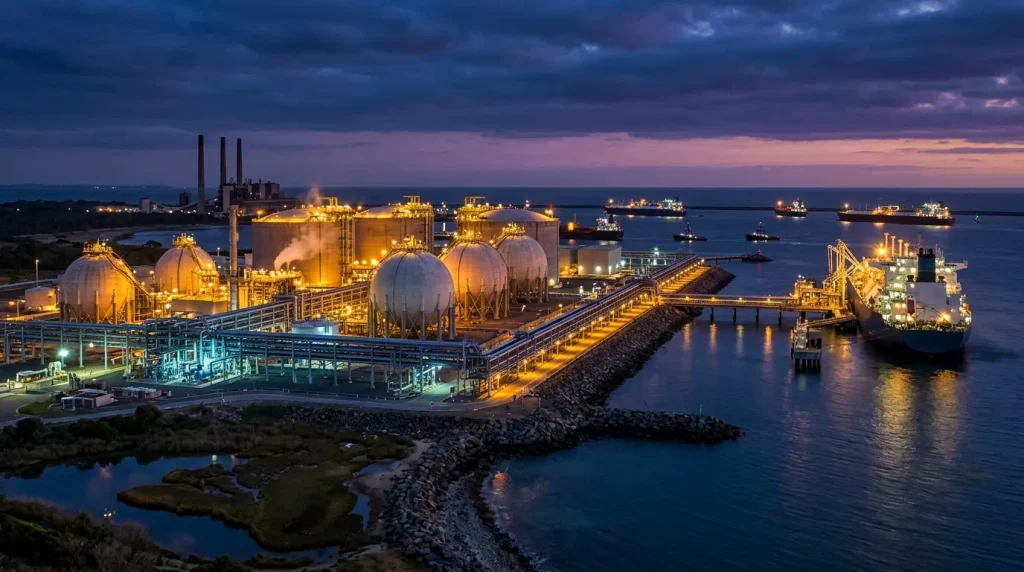
Supporters of the buyout argue that natural gas infrastructure can provide dispatchable power and support domestic energy production. LNG exports can also serve overseas buyers. Yet gas prices can fluctuate, and new infrastructure requires financing, permits, pipelines, and time to build.
The Center for Strategic and International Studies examined the agreement’s wider implications for energy investment and government policy. Its analysis of the TotalEnergies deal highlights questions about policy uncertainty and future investment decisions.
A Wider Shift in Offshore Wind Policy
The TotalEnergies agreement was not an isolated case. In August 2026, German energy company RWE announced a separate $1.22 billion settlement involving offshore wind leases off New York, California, and Louisiana. RWE said it would redirect capital toward other U.S. energy opportunities, including LNG and gas-fired power equipment.
Read RWE’s announcement for details of that agreement. The Washington Post’s coverage also examines the administration’s decision to pay for the cancellation of the two TotalEnergies projects.

Who Ultimately Pays?
The government describes the TotalEnergies agreement as a reimbursement of lease payments tied to a shift in investment. Critics argue that abandoning planned offshore wind capacity could reduce energy diversity and increase future system costs. Neither outcome automatically determines what consumers will pay.
The long-term test will be whether replacement investments deliver reliable electricity at competitive prices. For coastal communities facing rising demand, the balance between natural gas, offshore wind, and other power sources remains a consequential economic decision.
#OffshoreWind #TotalEnergies #EnergyPolicy #FossilFuels #NaturalGas #RenewableEnergy #ElectricityPrices #EnergySecurity #ClimateNews