

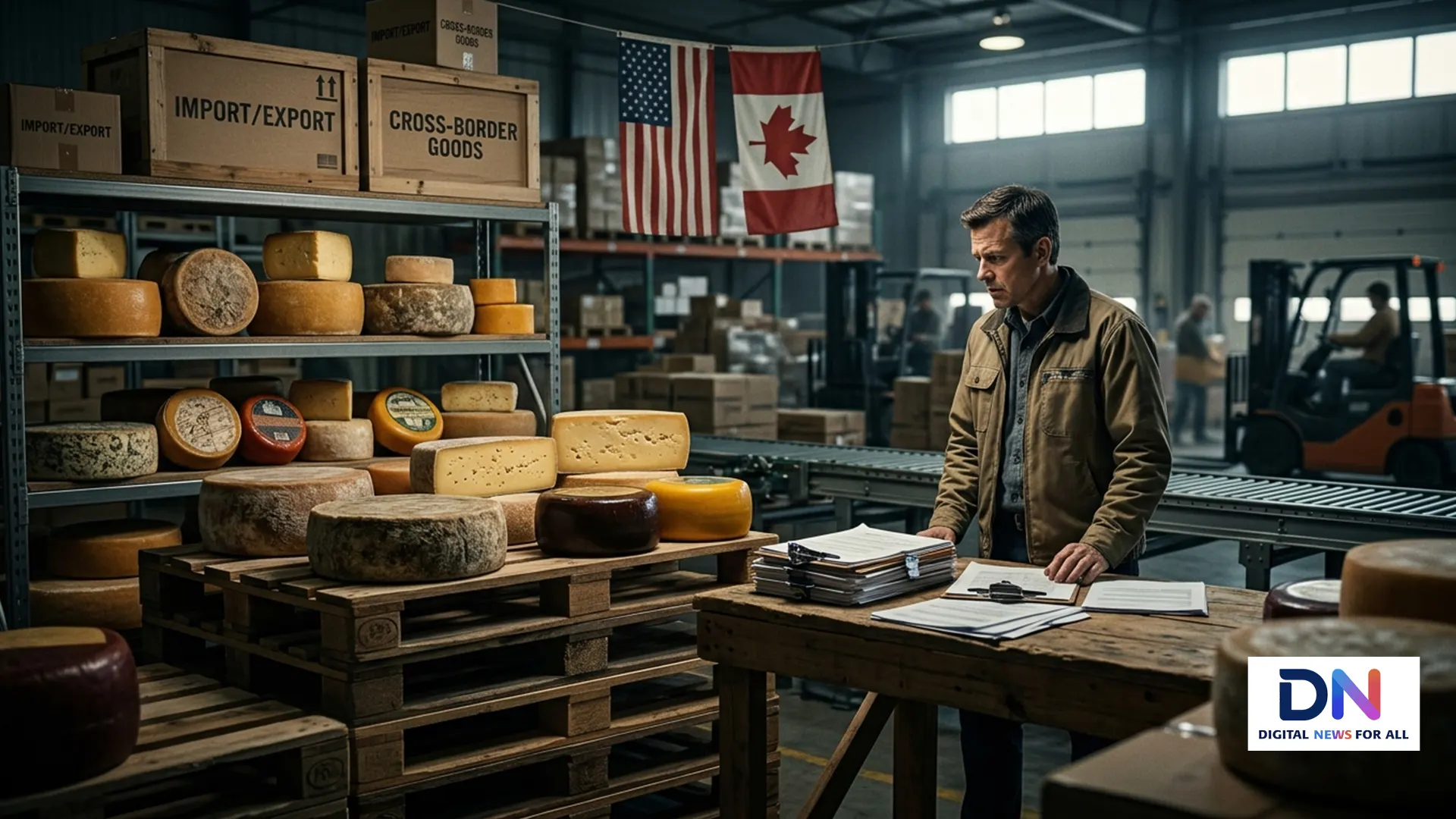
A new Canada tariffs lawsuit is challenging President Donald Trump’s trade policy after a U.S. food importer filed a legal case against 50% tariffs on Canadian goods. The dispute could affect food businesses, cross-border suppliers and consumers while raising questions about the limits of presidential authority over international trade.
Why the Food Importer Filed Suit
On October 20, 2026, Gellert Global Group, a New Jersey-based family business that imports Canadian cheese, filed a lawsuit in the U.S. Court of International Trade. The company seeks to represent other affected importers and wants the court to block the tariffs and order refunds where applicable.
According to Associated Press reporting, the administration imposed the 50% tariffs on a range of Canadian products valued at approximately $20 billion. The Liberty Justice Center’s case summary confirms that the challenge also seeks relief for other U.S. importers.

The 1930 Law at the Center of the Dispute
The administration relied on Section 338 of the Tariff Act of 1930, a provision associated with discriminatory foreign trade practices. The law had not previously been used to impose tariffs in a trade dispute.
Gellert’s lawyers argue that Congress subsequently enacted newer trade laws with procedural safeguards that limit how presidents can impose tariffs. They also challenge whether the administration satisfied Section 338’s requirements before collecting duties on certain products.
The legal group’s announcement of the lawsuit outlines these arguments. They remain allegations in a pending case, not a final court ruling. The administration has defended its use of the law.
Could American Businesses and Shoppers Pay More?
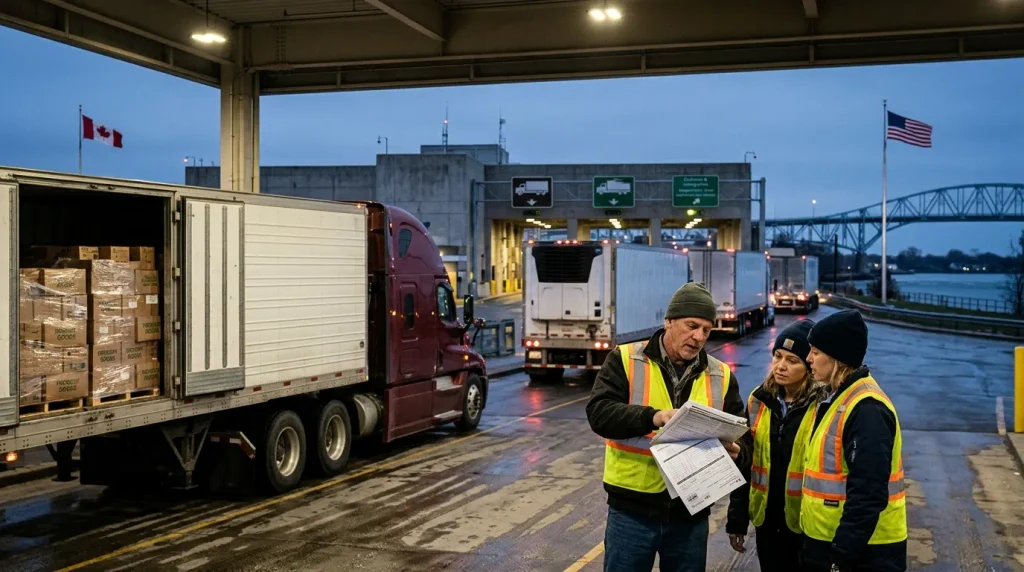
Tariffs are taxes on imported goods, generally paid by U.S. importers when products enter the country. Businesses may absorb some costs, negotiate with suppliers or pass some of the increase to customers. The eventual effect depends on competition, supply contracts and available alternatives.
Reuters’ coverage of the case describes the potential impact on importers and cross-border trade relationships. Al Jazeera’s report also details the company’s concerns about increased costs and supply-chain disruption.
What Happens Next?
The case, Gellert Global Group Corp. v. Trump, is pending before the U.S. Court of International Trade. The company has requested an injunction to stop tariff collection while the legal challenge proceeds.
Bloomberg Law’s case coverage places the dispute within broader challenges to the administration’s tariff authority.
The lawsuit will test how far presidential powers extend under a rarely used trade statute. Its outcome could influence import costs, business planning and future U.S.-Canada trade disputes, but the court has not yet decided the case.
#CanadaTariffs #USCanadaTrade #TrumpTariffs #TradeWar #FoodImports #TariffLawsuit #USEconomy #TradePolicy