

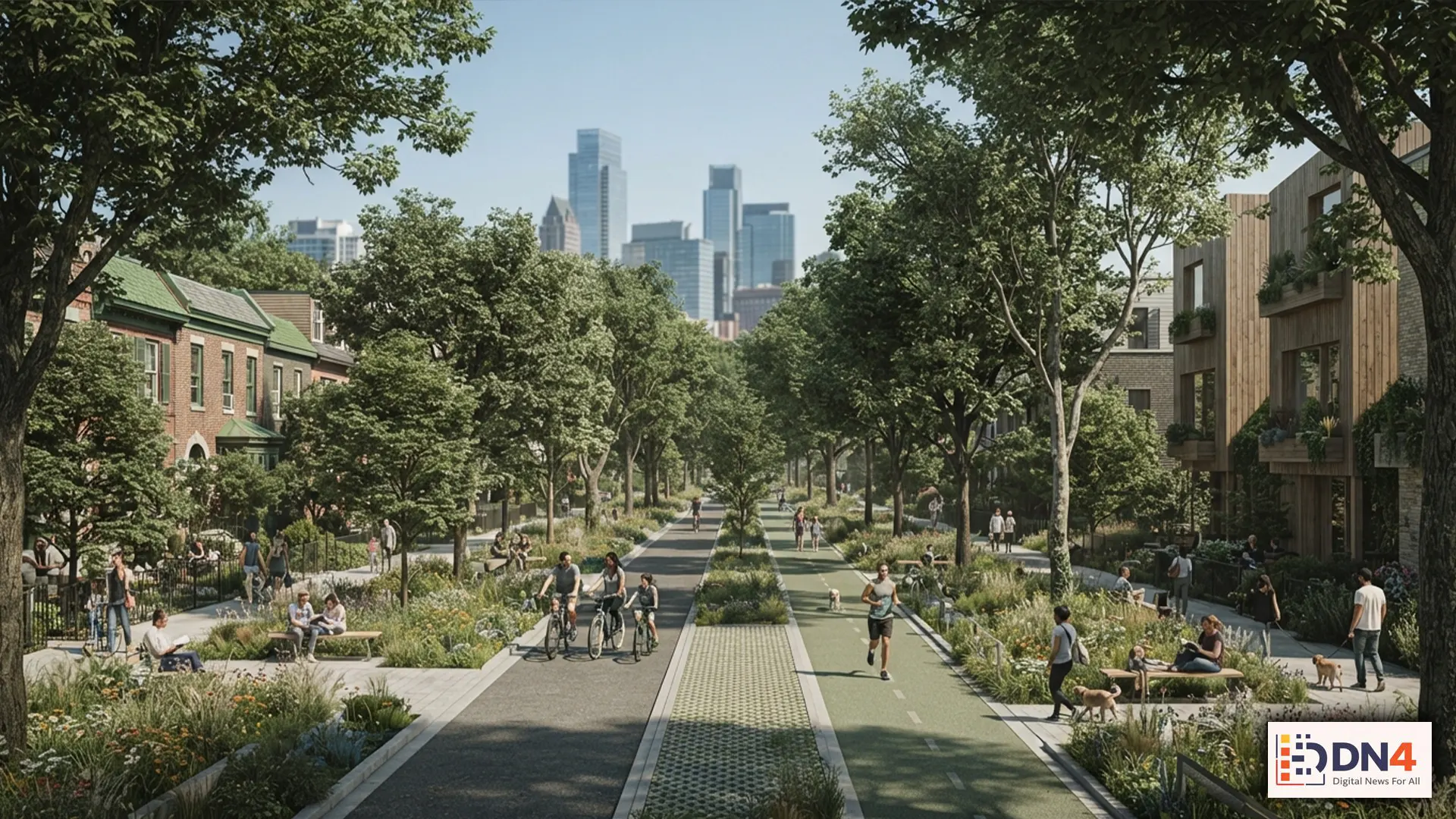
Across the United States, city planners are increasingly treating trees and green spaces as essential urban infrastructure. Parks, street trees, greenways and planted corridors are being incorporated into projects designed not only to beautify neighborhoods but also to address air pollution, extreme heat, stormwater and public health.
The U.S. Environmental Protection Agency’s green infrastructure resources describe how vegetation and natural systems can help manage stormwater while providing additional environmental and community benefits.
Why Cities Are Planting More Trees
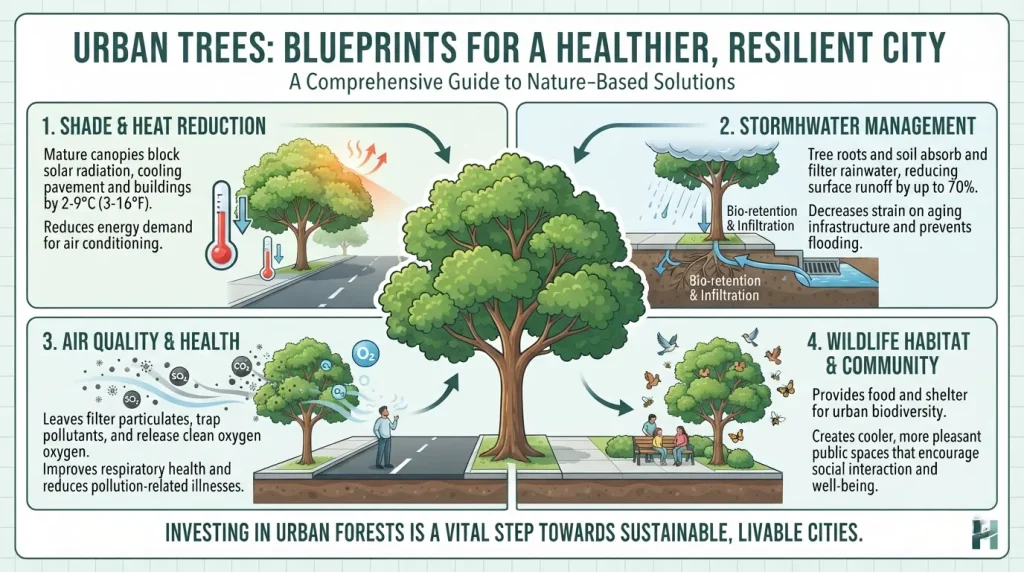
Urban trees can provide several benefits at the neighborhood level. Tree canopies can shade streets and buildings, reduce exposure to heat and help filter certain air pollutants. Their cooling effect can be particularly valuable in densely developed areas where concrete and asphalt absorb and retain heat.
The EPA’s urban heat-island guidance identifies trees and vegetation as one strategy communities can use to reduce heat-island effects. Planting vegetation can lower surface and air temperatures while creating more comfortable outdoor spaces.
Green Space Is Also a Public Health Issue
The clean-air movement is increasingly connected to public health. Neighborhoods with accessible parks and natural areas can provide places for walking, exercise and outdoor recreation. Vegetation can also help create buffers between busy roads and nearby homes, schools and public spaces.
The Centers for Disease Control and Prevention recognizes access to safe places for physical activity as an important factor in healthier communities.
However, access is not evenly distributed. Some neighborhoods have abundant mature trees and parks, while others have limited canopy and few nearby recreational spaces. That disparity has pushed city governments to consider where new green investments can produce the greatest community benefit.
Green Corridors Are Changing City Design
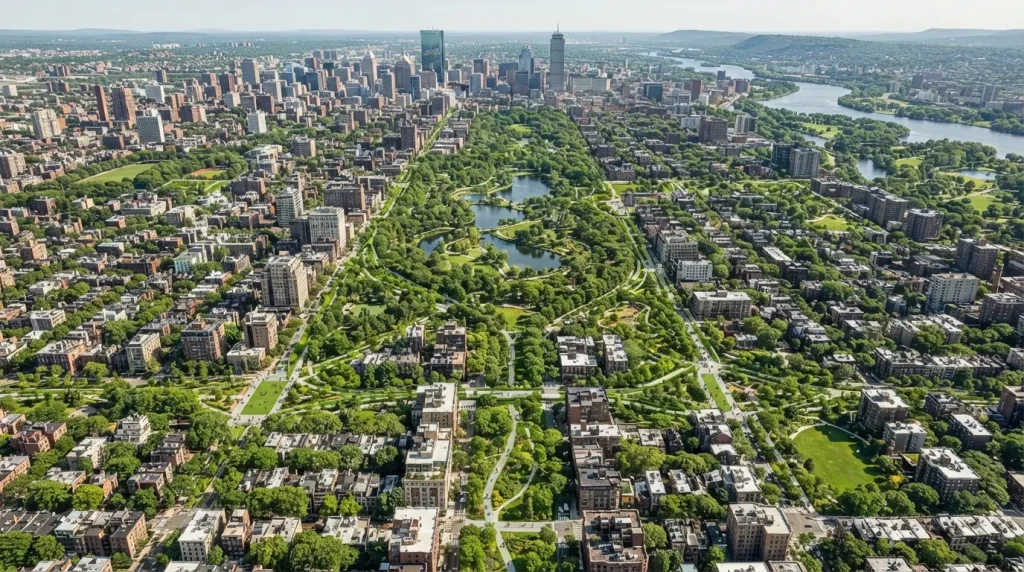
Urban green projects are no longer limited to traditional parks. Cities are experimenting with greenways, planted medians, tree-lined streets, rain gardens, green roofs and redesigned public spaces.
The EPA’s green-infrastructure guidance explains that these approaches can use vegetation, soil and natural processes to manage rainfall while improving the appearance and functionality of developed areas.
The Climate-Resilience Connection
Extreme heat and heavier rainfall are adding urgency to urban greening programs. Vegetation can provide shade during hot weather, while soil and planted areas can help absorb and slow stormwater runoff.
The National Oceanic and Atmospheric Administration explains how urban heat islands develop when buildings, roads and other infrastructure replace natural land cover.
For cities facing multiple climate-related pressures, green infrastructure can therefore serve several purposes at once rather than functioning solely as an aesthetic improvement.
Investment Comes With Challenges
Expanding urban greenery is not as simple as planting trees. Cities must consider long-term maintenance, irrigation, soil conditions, underground utilities, sidewalk damage and the survival of young trees.
There is also a risk that improvements can contribute to rising property values and displacement if investment is not paired with broader housing and affordability policies. Successful green-space planning therefore requires attention to both environmental outcomes and equitable access.
A New Definition of Urban Infrastructure
The growing focus on green space represents a broader change in how cities think about infrastructure. Trees, parks and planted areas can support environmental goals while also contributing to recreation, neighborhood quality and resilience.
America’s urban green-space movement is about more than creating prettier streets. Cities are increasingly using vegetation as a practical tool for managing heat, stormwater and environmental quality. The challenge will be maintaining those investments over decades while ensuring that cleaner, greener neighborhoods remain accessible to the people who live there.
#UrbanGreenSpaces #CleanAir #GreenCities #UrbanForests #ClimateAction #CityParks #Sustainability #PublicHealth