

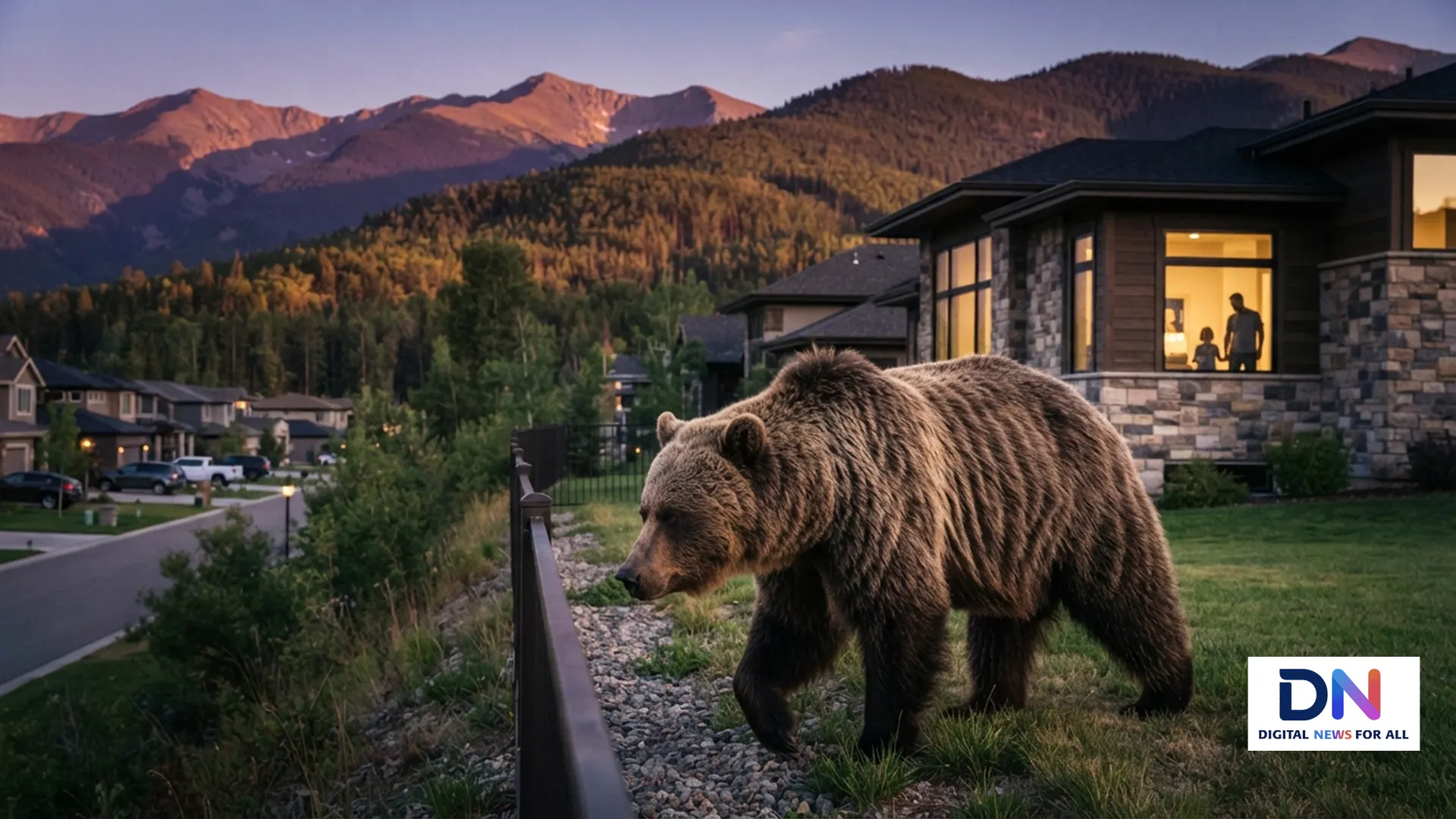
Bear encounters are rising across parts of the United States, bringing wildlife conflicts closer to homes, businesses and suburban neighborhoods. Wildlife agencies in at least 15 states have reported increased bear-related calls in 2026. Colorado has reported increases of as much as 200 percent in some areas, while Utah has recorded unusually high numbers of bears entering populated areas. The Washington Post reports that drought and population growth are major factors.
This Is Bigger Than a Grizzly Story
Although grizzlies attract the most attention, many suburban encounters involve black bears. The United States has an estimated 450,000 black bears, compared with at least 1,923 grizzlies in the lower 48 states. U.S. Fish and Wildlife Service data show that grizzly populations have expanded in several western ecosystems.
That distinction matters. A bear seen in a suburban neighborhood is not automatically a grizzly. However, the broader pattern is clear: more bears are coming into closer contact with people.

Why Bears Are Moving Toward Neighborhoods
One major factor in 2026 has been unusually dry weather. Reduced natural food supplies can push bears toward human settlements, where garbage, pet food, bird feeders and other attractants provide easier sources of calories. Reuters reported that drought-related food shortages have contributed to increased bear activity in urban areas.
At the same time, bear populations have recovered in many areas after decades of conservation. Human development has also expanded into landscapes used by wildlife. Montana Fish, Wildlife & Parks says grizzly abundance and distribution have expanded in the state, creating new challenges where bears approach human habitation.
When Suburban Wildlife Becomes a Safety Issue
Most encounters do not result in attacks. The bigger concern is habituation. A bear that repeatedly finds food around homes can become less wary of people, increasing the potential for property damage or a dangerous confrontation.
The U.S. Fish and Wildlife Service recommends securing garbage and other attractants, avoiding approaches and maintaining substantial distance from bears. Wildlife officials also emphasize that people should never intentionally feed them.
Grizzly Expansion Adds Another Layer
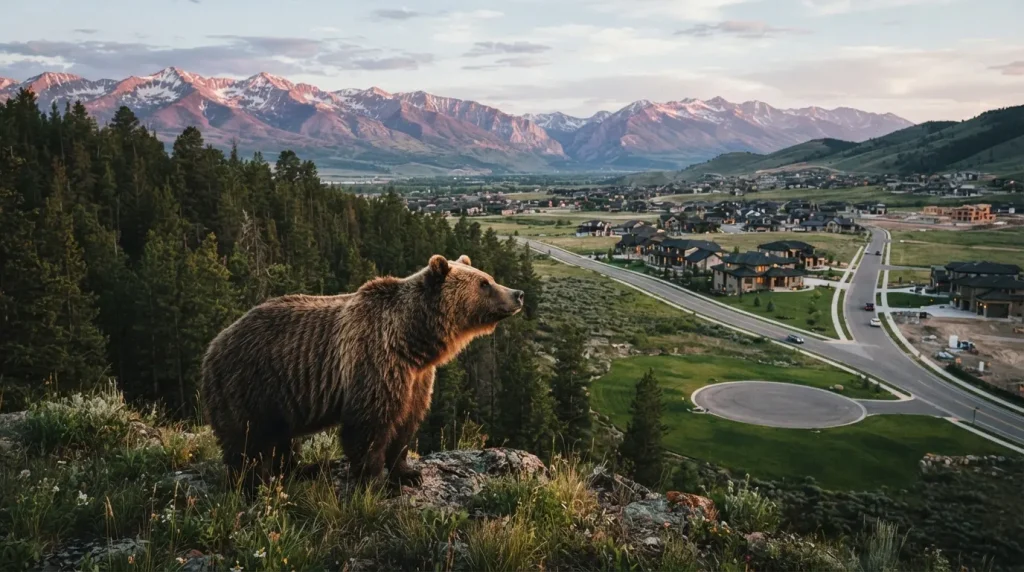
Grizzly recovery has created its own management challenge. Federal officials estimate that grizzlies have established populations in several western ecosystems and can disperse beyond traditional recovery areas. The federal grizzly rulemaking process is considering additional management flexibility while maintaining existing conservation protections.
Montana, Wyoming, Idaho and Washington therefore face a complicated balance between recovering bear populations, public safety and conservation.
What Residents Can Do
Experts emphasize prevention. Secure trash, remove accessible food sources and never approach a bear. Residents in bear country should also know local wildlife-agency guidance before an encounter occurs. Montana’s bear-safety guidance recommends carrying bear spray where appropriate and never running from a bear.
The 2026 surge is not evidence that every American suburb is suddenly becoming grizzly territory. It is evidence of a changing human-wildlife boundary, intensified by weather, wildlife recovery and expanding development. As that boundary moves closer to residential areas, coexistence increasingly depends on preventing bears from learning that neighborhoods are easy places to find food.
#GrizzlyBears #BlackBears #BearEncounters #Wildlife #WildlifeSafety #AmericanSuburbs #Conservation #Nature #Environment