

 By Vinod Ram
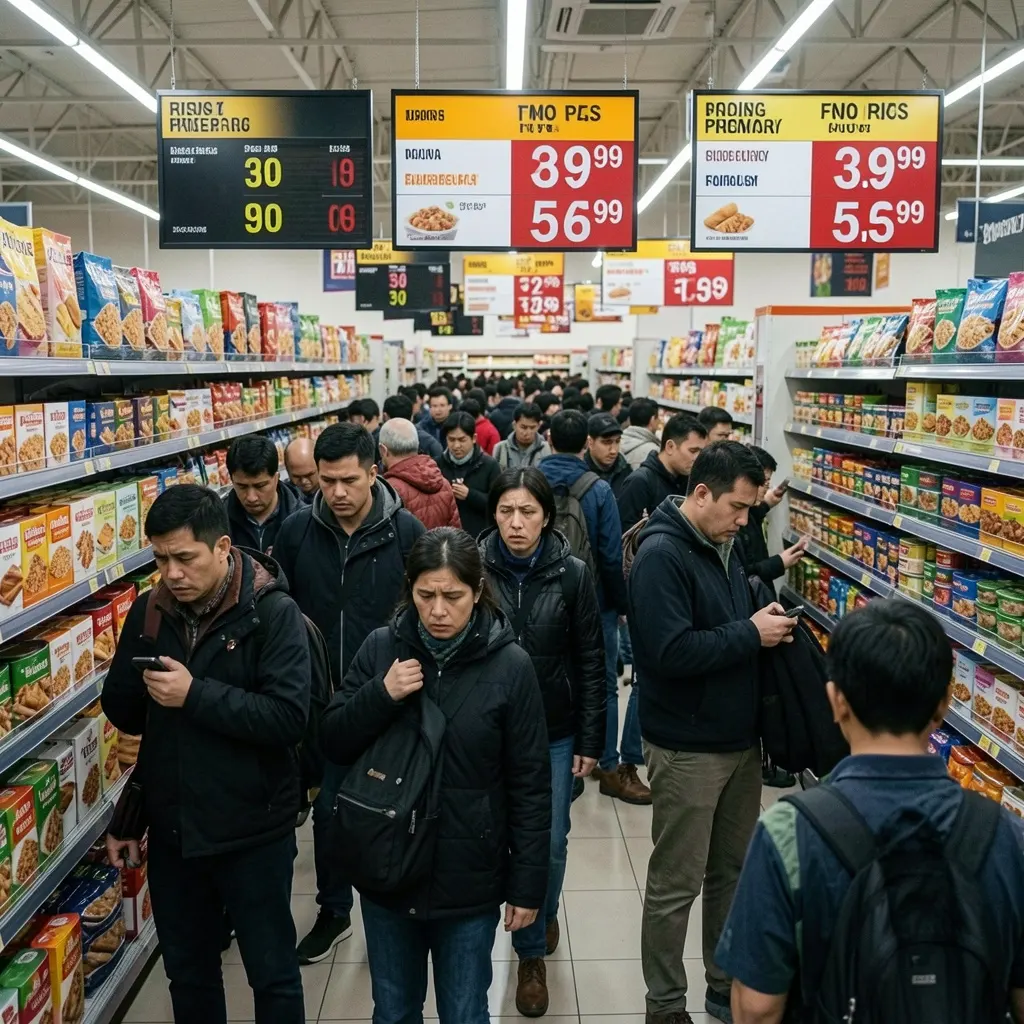
Inflation rates may be slowing in several major economies, but for millions of consumers, the economy still feels painfully close to a recession. Rising living costs, high interest rates, and financial uncertainty continue putting pressure on households despite improving economic data.
Economists describe this phenomenon as the “inflation lag” — the delayed effect where consumers continue experiencing financial stress long after inflation numbers begin cooling.
What Is the Inflation Lag?
Inflation lag refers to the gap between official economic indicators improving and everyday financial conditions actually becoming easier for consumers and businesses.
While headline inflation may decline, prices for essentials like housing, groceries, insurance, and utilities often remain significantly higher than they were before inflation surged.
According to analysis from International Monetary Fund (IMF), persistent inflation shocks can continue affecting consumer confidence and spending patterns for years after inflation technically slows down.

Why Consumers Still Feel Financial Pressure
Even when inflation rates decrease, prices rarely return to previous levels. Instead, they continue rising more slowly. This means consumers still pay elevated costs for everyday essentials.
Reports from CNBC show many households remain burdened by higher rent payments, expensive fuel costs, and increased borrowing expenses tied to elevated interest rates.
At the same time, wage growth in many sectors has struggled to fully keep pace with cumulative inflation from recent years.
The Role of Interest Rates
Central banks around the world, including the US Federal Reserve, raised interest rates aggressively to slow inflation. While higher rates help reduce spending and stabilize prices, they also increase borrowing costs for mortgages, credit cards, and business loans.
This creates a difficult balancing act: inflation may cool, but tighter financial conditions continue slowing economic activity and consumer spending.
Experts from World Bank warn that prolonged periods of high interest rates can create recession-like conditions even without an official economic downturn.
Why the Job Market Doesn’t Tell the Full Story
In some countries, unemployment remains relatively low despite widespread financial anxiety. However, many workers still feel economically vulnerable because higher living costs reduce real purchasing power.
According to Bloomberg, consumer sentiment often lags behind economic recovery because households focus more on monthly expenses than broader GDP growth statistics.
For many families, the issue is not whether they have a job — it’s whether their income can comfortably cover rising costs.
The Psychological Impact of Inflation
Inflation affects more than just budgets. Persistent financial stress can reduce consumer confidence, delay major purchases, and increase fears about future economic stability.
Behavioral economists note that consumers tend to remember sharp price increases for essentials like food and fuel long after broader inflation indicators improve.
Could Conditions Improve Soon?
Some economists believe easing inflation and stabilizing interest rates could gradually improve consumer confidence over the next year. However, much depends on energy prices, wage growth, housing affordability, and global geopolitical stability.
Markets are also watching whether central banks will eventually reduce interest rates to support economic growth without reigniting inflation pressures.
The inflation lag helps explain why many people still feel stuck in a recession-like economy even as official inflation numbers improve. Higher prices, elevated borrowing costs, and slower wage growth continue affecting household finances across the world.
For consumers, the real economy is measured less by statistics and more by everyday affordability — and for many households, financial recovery still feels far away.
#Inflation #RecessionFears #Economy #CostOfLiving #InterestRates #FinancialStress #GlobalEconomy #ConsumerSpending #EconomicNews