

 By Vinod Ram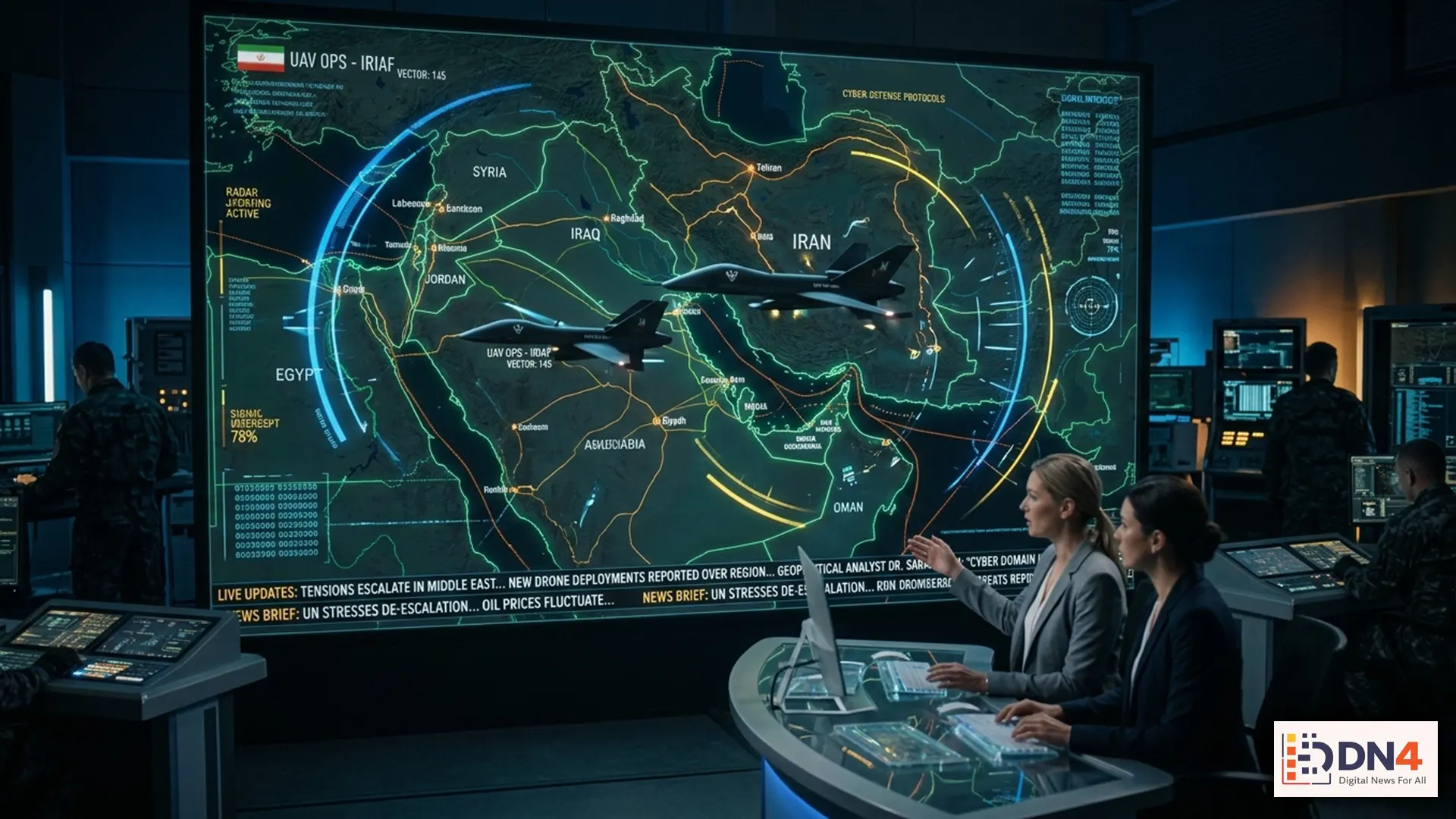
Iran’s rapid recovery of its drone production capabilities is becoming a growing concern for US intelligence agencies and military planners. Despite months of strikes targeting Iranian military infrastructure, recent intelligence assessments suggest Tehran is rebuilding key parts of its drone program far faster than expected.
According to a recent report covered by Reuters, US intelligence officials believe Iran resumed parts of its military drone production during the temporary ceasefire earlier this year. The findings challenge earlier assumptions that Iran’s defense industry had been severely crippled.
The Rise of Iran’s Drone Strategy
Iran has invested heavily in low-cost unmanned aerial systems over the last decade. Drones such as the Shahed-136 drone have become central to Tehran’s asymmetric warfare strategy due to their affordability and ability to overwhelm expensive air defense systems.
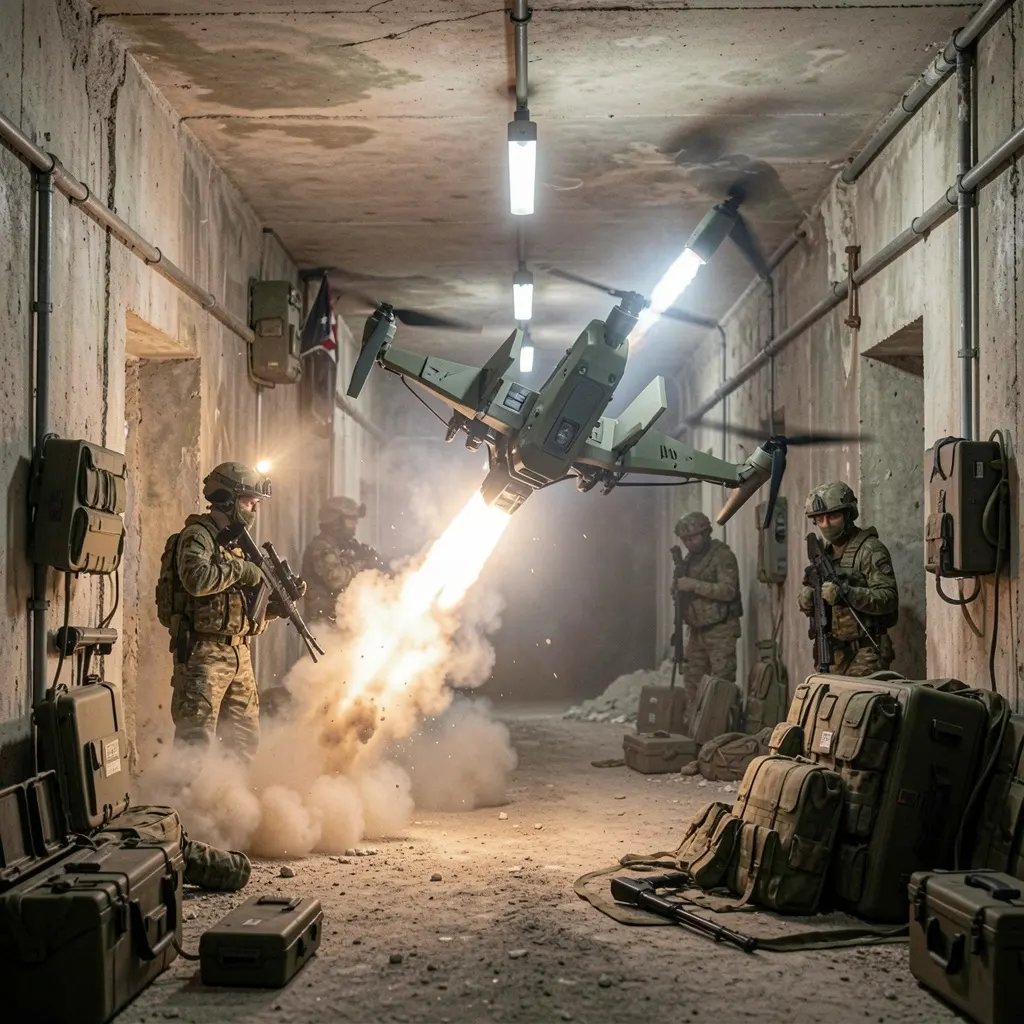
Military analysts say drone warfare allows Iran to project power without relying solely on conventional air forces. Reports from Bloomberg suggest that while strikes slowed Iranian drone production, stockpiles and underground manufacturing systems remain operational.
Why US Intelligence Is Alarmed
US intelligence agencies reportedly believe Iran still retains a substantial portion of its missile and drone infrastructure. Some assessments indicate Tehran may still possess nearly 40% of its pre-war drone arsenal.
Security experts from the Center for Strategic and International Studies (CSIS) warn that Iran’s ability to mass-produce drones creates a long-term strategic challenge for both the United States and its regional allies.
Unlike traditional fighter jets or missile systems, drones are relatively inexpensive and manufacturers can produce them rapidly. This creates an economic imbalance where militaries often deploy advanced defense systems costing millions of dollars to intercept drones worth only a fraction of that price.
The Regional Security Impact
The growing drone threat is pushing Gulf nations and Western allies to strengthen their air defense systems and invest in next-generation counter-drone technologies.
According to analysis from the Council on Foreign Relations, Iran’s expanding drone capabilities could reshape future military conflicts across the Middle East by increasing the role of swarm attacks and asymmetric warfare.
Recent reports also indicate growing concern over potential cooperation between Iran and external military partners in drone technology development.
Economic and Global Implications
The geopolitical impact extends beyond military concerns. Rising instability involving Iran often affects global energy markets, shipping routes, and investor confidence.
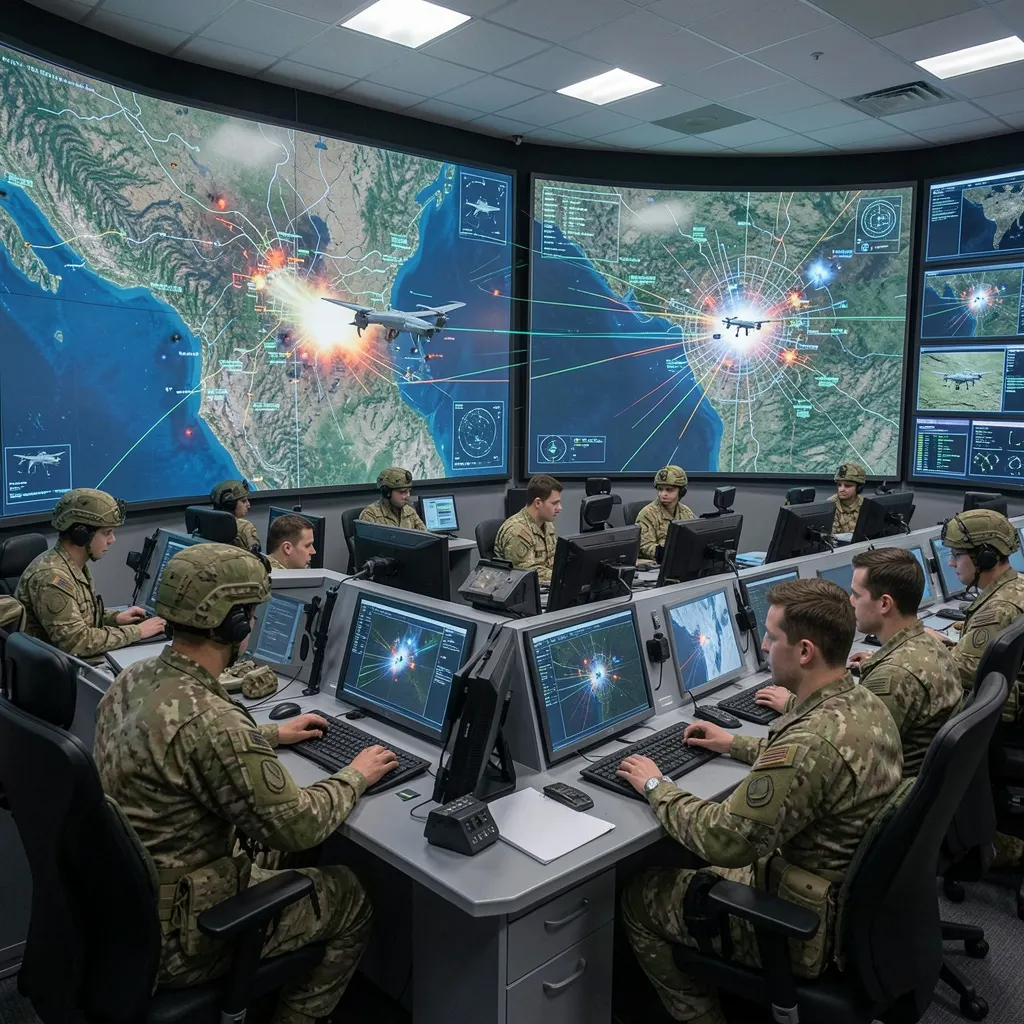
Defense analysts argue that autonomous systems, cyber warfare, and drone swarms increasingly define the future of modern warfare — areas where Iran continues to expand aggressively despite international sanctions.
Iran’s military recovery highlights how modern warfare is evolving rapidly. Even after extensive strikes, decentralized drone production networks and underground facilities may allow Tehran to sustain long-term military pressure across the region.
For US intelligence agencies, the growing drone surge represents not just a regional security concern, but a warning about the future nature of global conflict itself.
#IranDrones #DroneWarfare #MiddleEast #USIran #MilitaryTech #Geopolitics #GlobalSecurity #ShahedDrone #DefenseNews