

 By Vinod Ram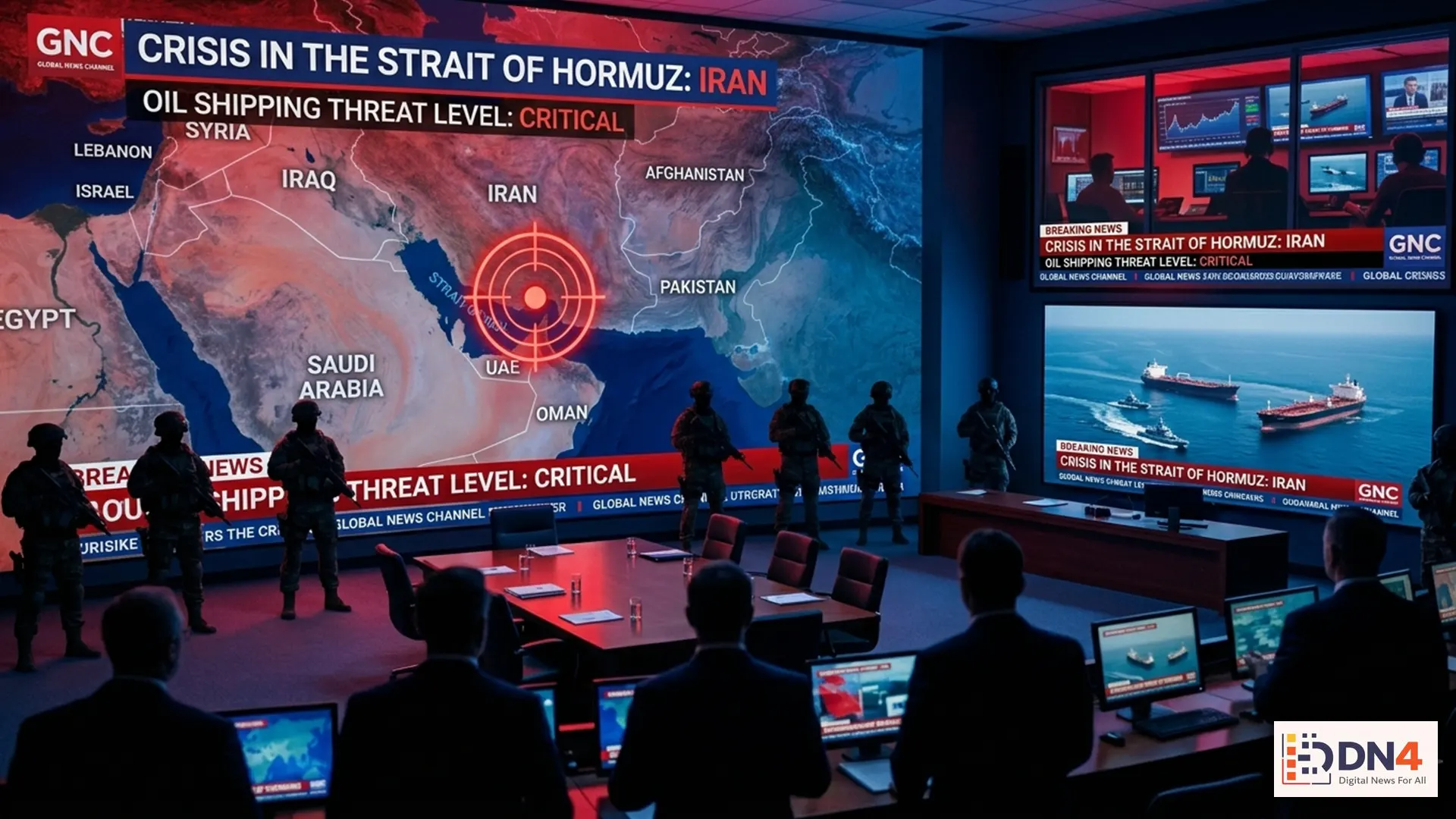
Iran’s latest warning about expanding regional conflict has intensified fears of a broader geopolitical crisis that could affect economies, energy markets, and global security systems far beyond the Middle East.
Recent statements from Iranian officials suggest that any major military escalation involving Tehran could trigger responses extending beyond the region. According to reports from Reuters, Iran is increasingly tightening its strategic influence over the Strait of Hormuz, a vital global shipping route through which nearly one-fifth of the world’s oil supply passes.
Why the Strait of Hormuz Matters
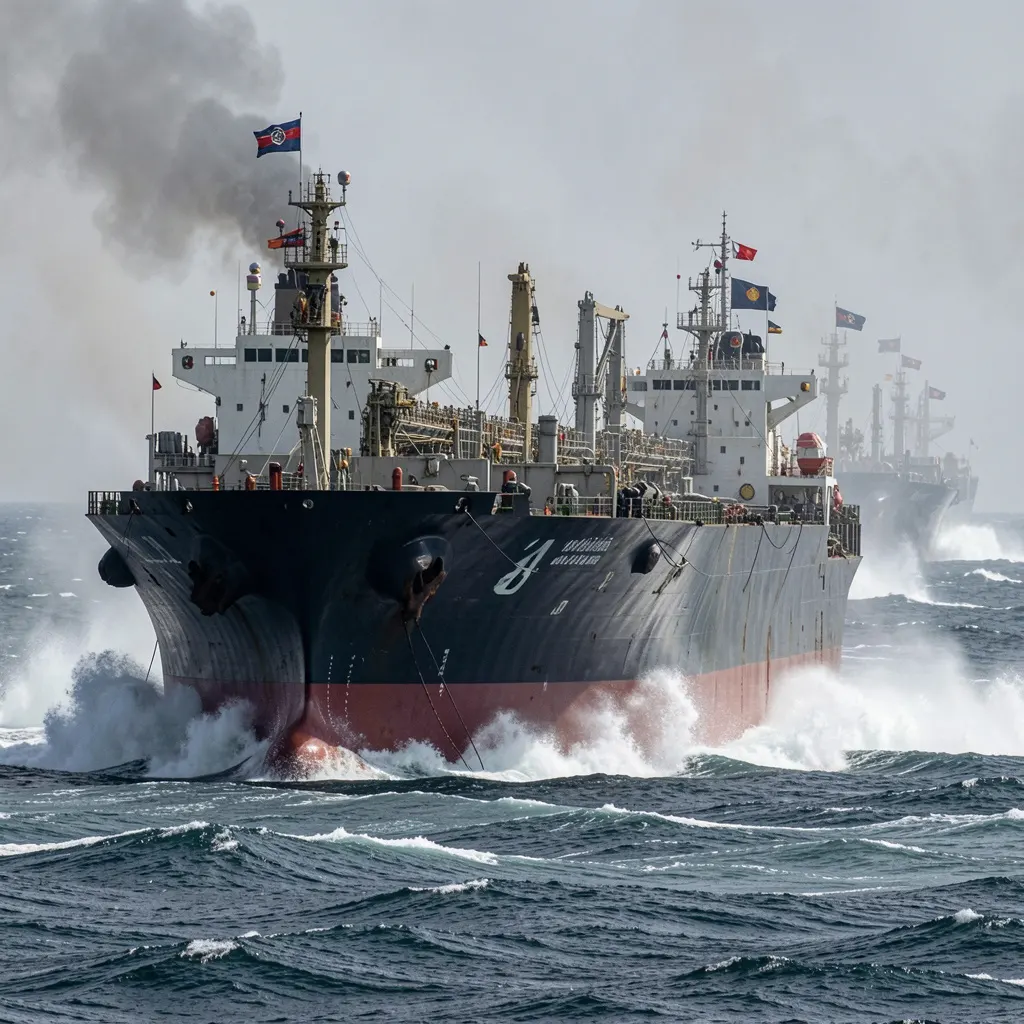
The Strait of Hormuz remains one of the world’s most important energy chokepoints. Any disruption there could send global oil prices soaring, increase inflation, and place enormous pressure on international economies.
Energy analysts and organizations such as International Energy Agency (IEA) have repeatedly warned that prolonged instability in the Gulf could severely impact energy supplies to Europe, Asia, and North America.
Global Economic Consequences
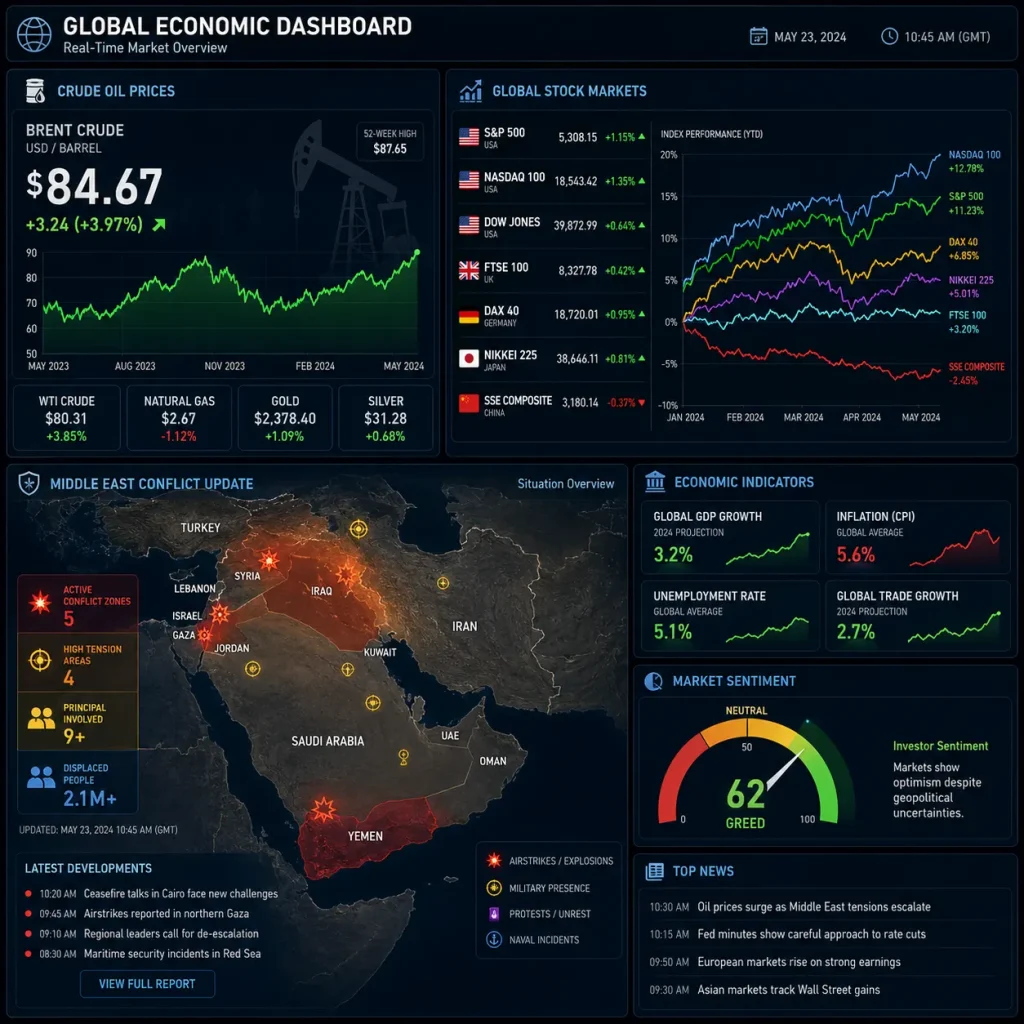
A wider Middle East conflict would likely trigger significant financial turbulence. Rising fuel prices could increase transportation costs, weaken consumer spending, and impact stock markets globally.
According to recent market analysis covered by MarketWatch, oil prices remain highly sensitive to diplomatic developments between Iran and Western powers. Investors are closely monitoring every sign of escalation or negotiation.
Experts from the Center for Strategic and International Studies (CSIS) believe Iran’s strategy increasingly combines military pressure with economic leverage aimed at influencing global political decisions.
Security Risks Beyond the Middle East
Security agencies across Europe and Asia are also assessing the possibility of cyberattacks, proxy conflicts, and disruptions to international trade routes if tensions continue to rise.
The United Nations and multiple diplomatic organizations continue urging restraint, warning that a prolonged conflict could destabilize already fragile regions and worsen humanitarian conditions.
Could Diplomacy Still Prevent Escalation?
Despite aggressive rhetoric, diplomatic channels remain active. Several countries are reportedly pushing for renewed negotiations to avoid a direct military confrontation.
Political analysts from the Council on Foreign Relations argue that while tensions are serious, all major powers understand the catastrophic global consequences of a full-scale regional war.
Iran’s global war warning highlights how interconnected modern geopolitics has become. What begins as a regional crisis can rapidly affect oil markets, international security, trade, and economic stability worldwide.
Whether diplomacy succeeds or tensions escalate further, the coming months could shape the future balance of power across the Middle East and beyond.
#IranWar #MiddleEastConflict #GlobalSecurity #OilMarkets #WorldNews #Geopolitics #USIran #EnergyCrisis #BreakingNews