

 By Vinod Ram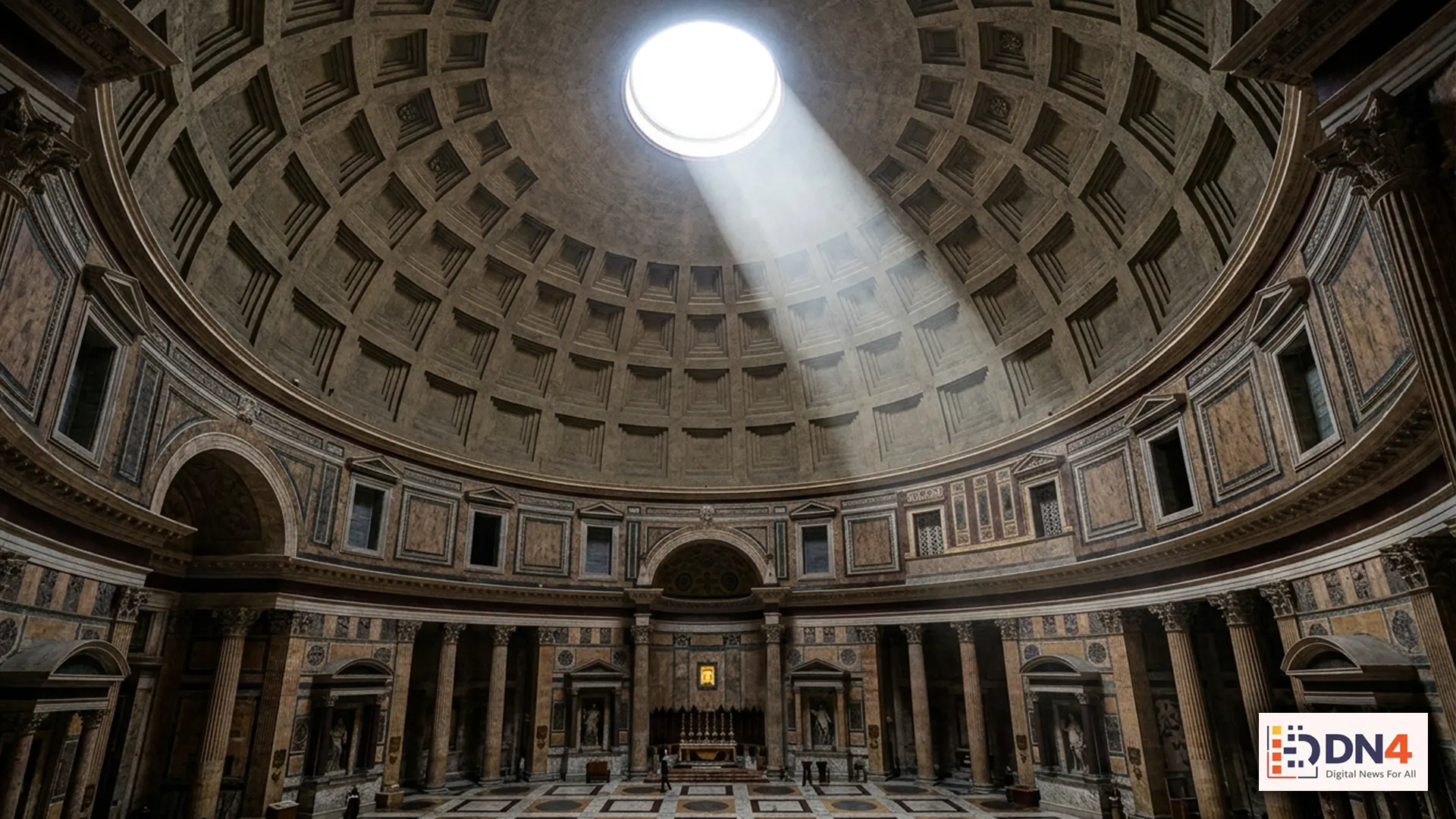
In a world of cutting-edge engineering and towering skylines, one ancient structure continues to outperform modern construction—the Roman Pantheon. Built nearly 2,000 years ago, its concrete dome remains intact, raising a powerful question: why does ancient Roman concrete last longer than today’s skyscrapers?
The answer lies in a mix of forgotten materials science, environmental chemistry, and innovative design.
The Enduring Marvel of the Pantheon
The is one of the best-preserved structures from ancient Rome. Its massive unreinforced concrete dome—still the largest of its kind—has survived earthquakes, weathering, and centuries of use.
In contrast, many modern buildings require major repairs within decades.
What Makes Roman Concrete Different?
Unlike modern cement, Roman builders used a unique combination of materials, including volcanic ash known as pozzolana. This ingredient reacted chemically with water and lime to create an incredibly durable compound.
Recent studies in materials science suggest that Roman concrete actually becomes stronger over time, especially when exposed to moisture.
The Secret: Self-Healing Properties
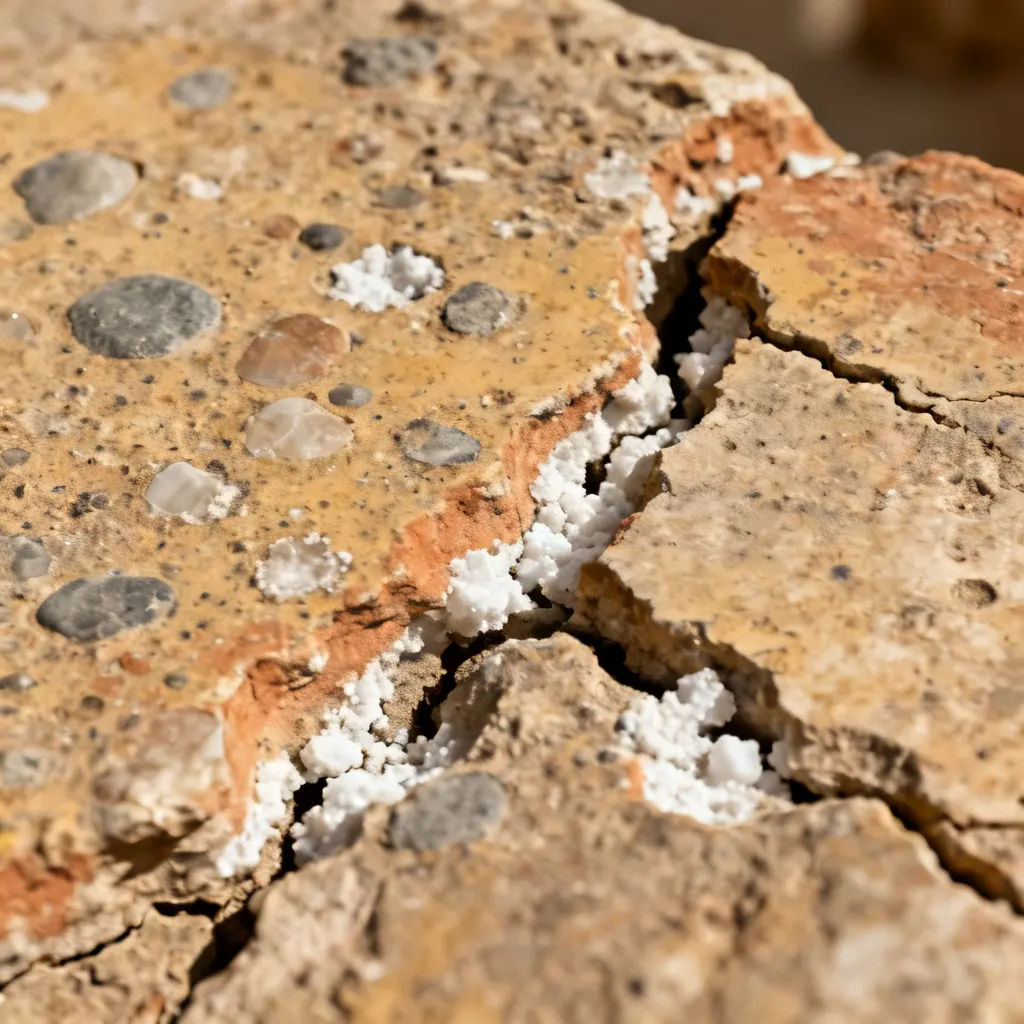
One of the most fascinating discoveries is that Roman concrete has self-healing capabilities. When cracks form, water interacts with lime clasts in the material, triggering chemical reactions that effectively seal the cracks.
This process extends the lifespan of structures far beyond modern expectations.
Why Modern Concrete Falls Short
Today’s concrete is designed for speed and cost-efficiency, not longevity. It relies heavily on Portland cement, which:
- Is more prone to cracking
- Degrades faster under environmental stress
- Requires steel reinforcement that can corrode
As a result, modern skyscrapers often need significant maintenance within 50–100 years.
Environmental Advantages
Roman concrete also offers sustainability benefits. The production of modern cement is a major contributor to carbon emissions, linked to climate change.
In contrast, Roman methods used locally sourced materials and lower-temperature processes, making them more environmentally friendly.

What Engineers Are Learning in 2026
Researchers are now studying ancient techniques to improve modern construction. Innovations inspired by Roman concrete include:
- Self-healing building materials
- More sustainable cement alternatives
- Longer-lasting infrastructure designs
These advancements could revolutionize how we build cities in the future.
Ancient Wisdom Meets Modern Tech
The story of Roman concrete highlights an important lesson: innovation isn’t always about new technology—sometimes it’s about rediscovering what already worked.
By combining ancient knowledge with modern science, engineers may unlock solutions to today’s biggest challenges.
The Roman Pantheon stands as a testament to human ingenuity and durability. As we look toward building smarter and more sustainable cities, the past may hold the key to the future.
In 2026, the real breakthrough isn’t just new technology—it’s learning from ancient brilliance.
#RomanConcrete #AncientEngineering #SustainableBuilding #Architecture #Science2026 #Innovation