

 By Vinod Ram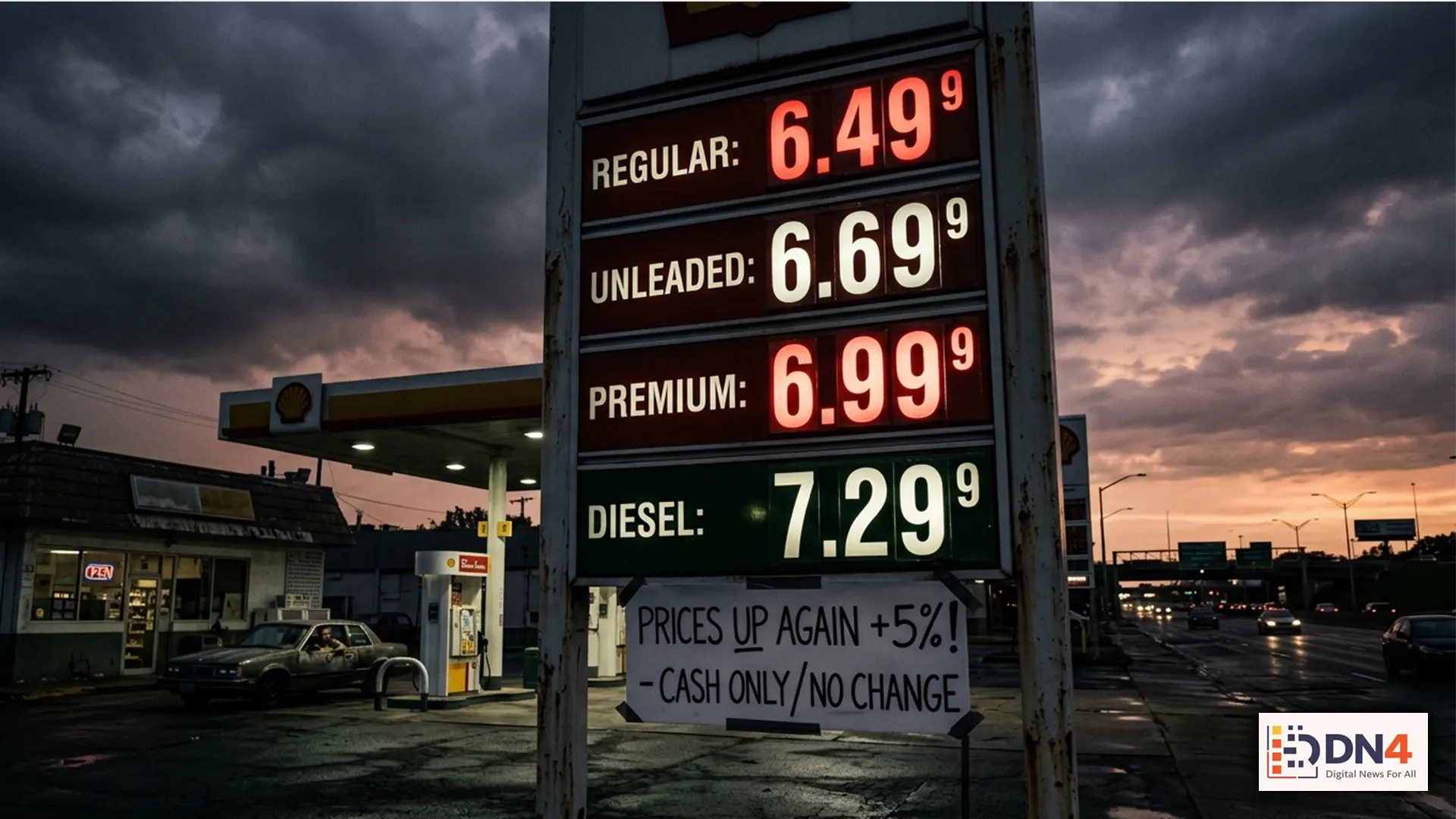
Gas prices across the United States are climbing again in 2026, putting pressure on households and businesses alike. From global conflicts to supply chain disruptions, multiple factors are driving this new wave of price increases.
But what’s really behind the surge—and how long will it last?
The Current State of Gas Prices
According to recent data from the U.S. Energy Information Administration (EIA), fuel prices have steadily increased over the past months. This trend is closely tied to fluctuations in global oil prices and supply constraints.
Key Reasons Behind Rising Gas Prices
1. Global Oil Supply Constraints
Oil production cuts by major producers and disruptions in supply chains have reduced global availability. Organizations like OPEC play a major role in influencing production levels.
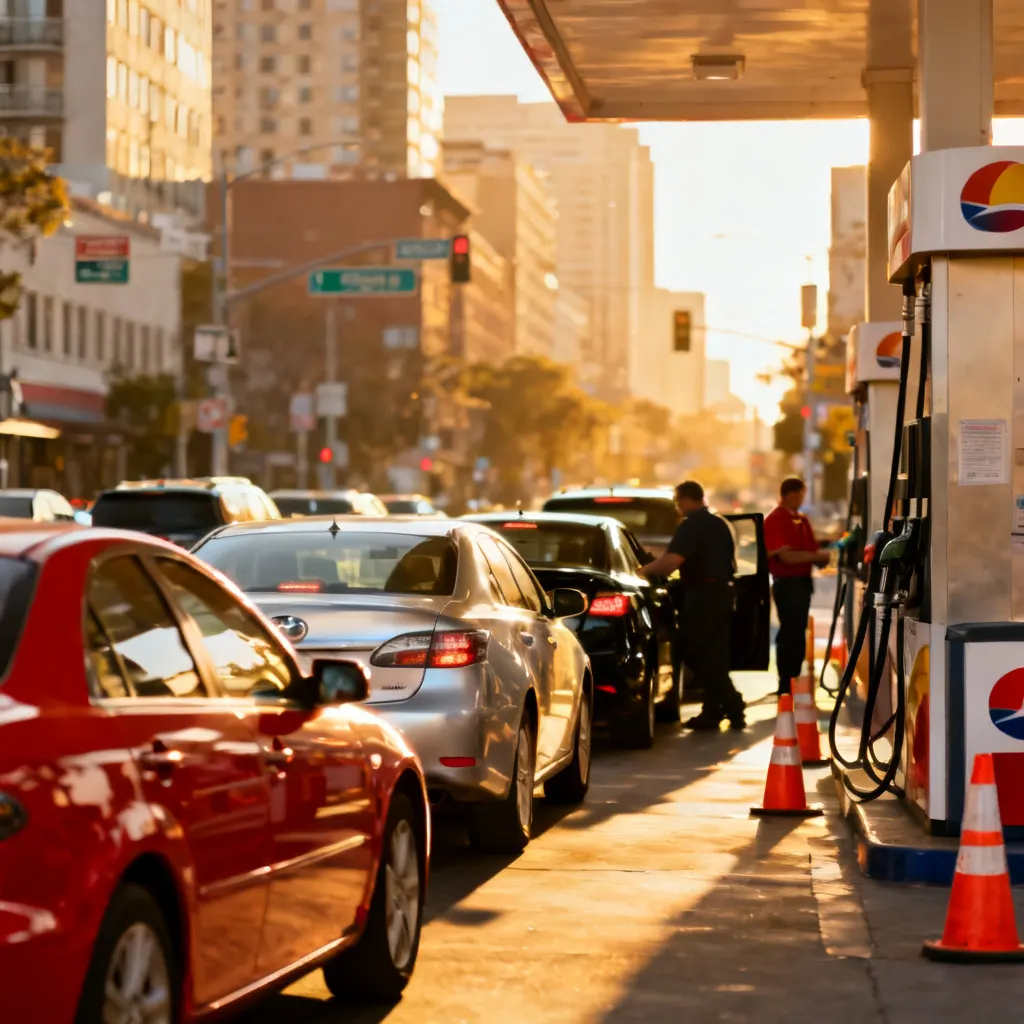
2. Geopolitical Tensions
Conflicts in key oil-producing regions are creating uncertainty in energy markets. Political instability often leads to supply fears, pushing prices higher.
3. Refining Capacity Issues
Limited refining capacity in the U.S. means that even when crude oil is available, it cannot always be processed quickly into gasoline.
4. Seasonal Demand Surges
Increased travel during peak seasons leads to higher demand, naturally driving up fuel costs.
5. Inflation and Economic Factors
Rising costs across the economy, including transportation and labor, contribute to higher gas prices.
How the Energy Crisis Impacts Consumers
The rising cost of fuel affects more than just drivers:
- Higher transportation costs for goods
- Increased prices for everyday products
- ضغط on household budgets
- Potential slowdown in economic growth
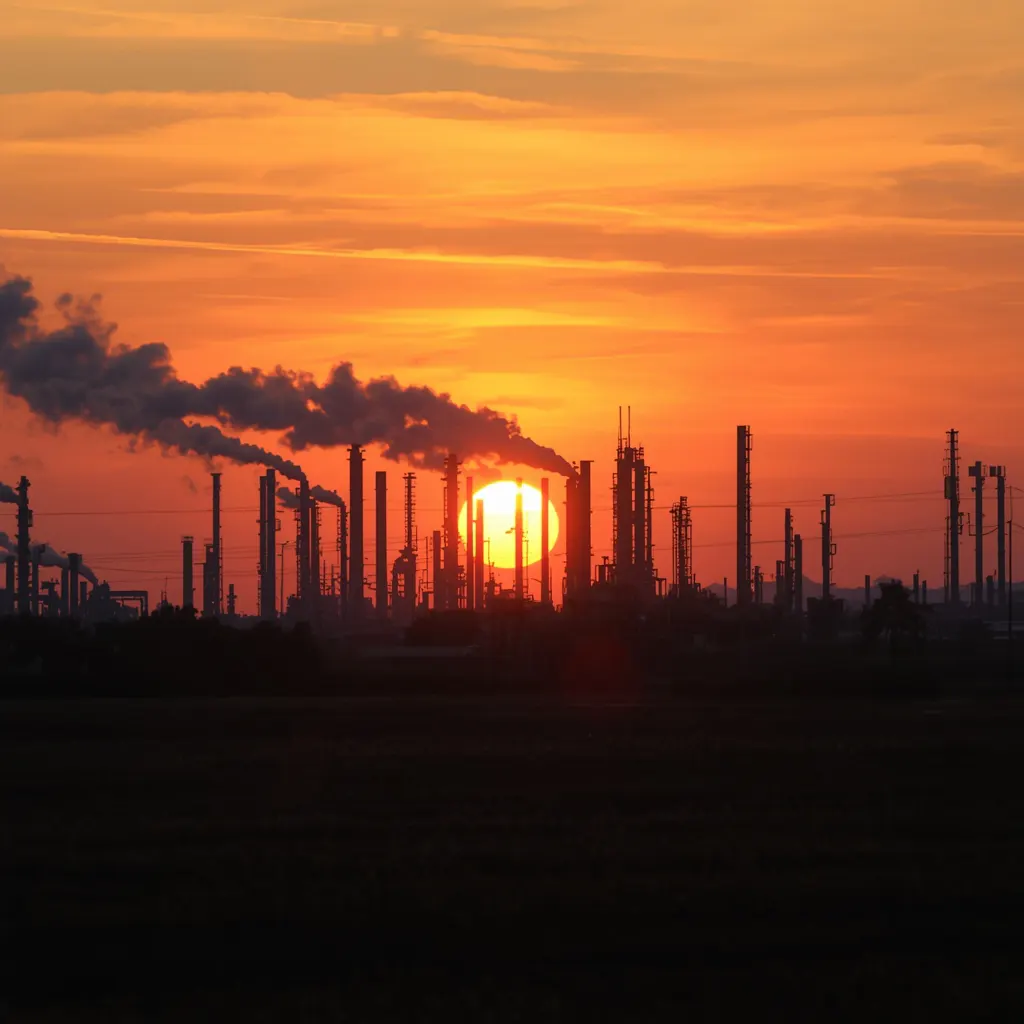
Is This a Short-Term Spike or Long-Term Trend?
Experts suggest that while some price increases may stabilize, structural issues in the energy market could keep prices elevated in the long term. The transition toward renewable energy is also influencing investment in traditional oil infrastructure.
What Can Consumers Do?
While individuals can’t control global markets, there are ways to manage fuel costs:
- Use fuel-efficient vehicles
- Plan trips to reduce driving
- Monitor gas prices using apps
- Consider alternative transportation options
The Future of Energy in the U.S.
The current crisis highlights the need for a balanced energy strategy. Investments in renewable energy, combined with stable oil supply chains, will be crucial in preventing future price shocks.
The rise in gas prices in 2026 is a complex issue shaped by global and domestic factors. Understanding these drivers can help consumers and policymakers navigate the challenges ahead.
As the energy landscape evolves, staying informed will be key to managing costs and expectations.
#GasPrices #EnergyCrisis #OilMarket #Inflation #USNews #FuelCosts