

 By Vinod Ram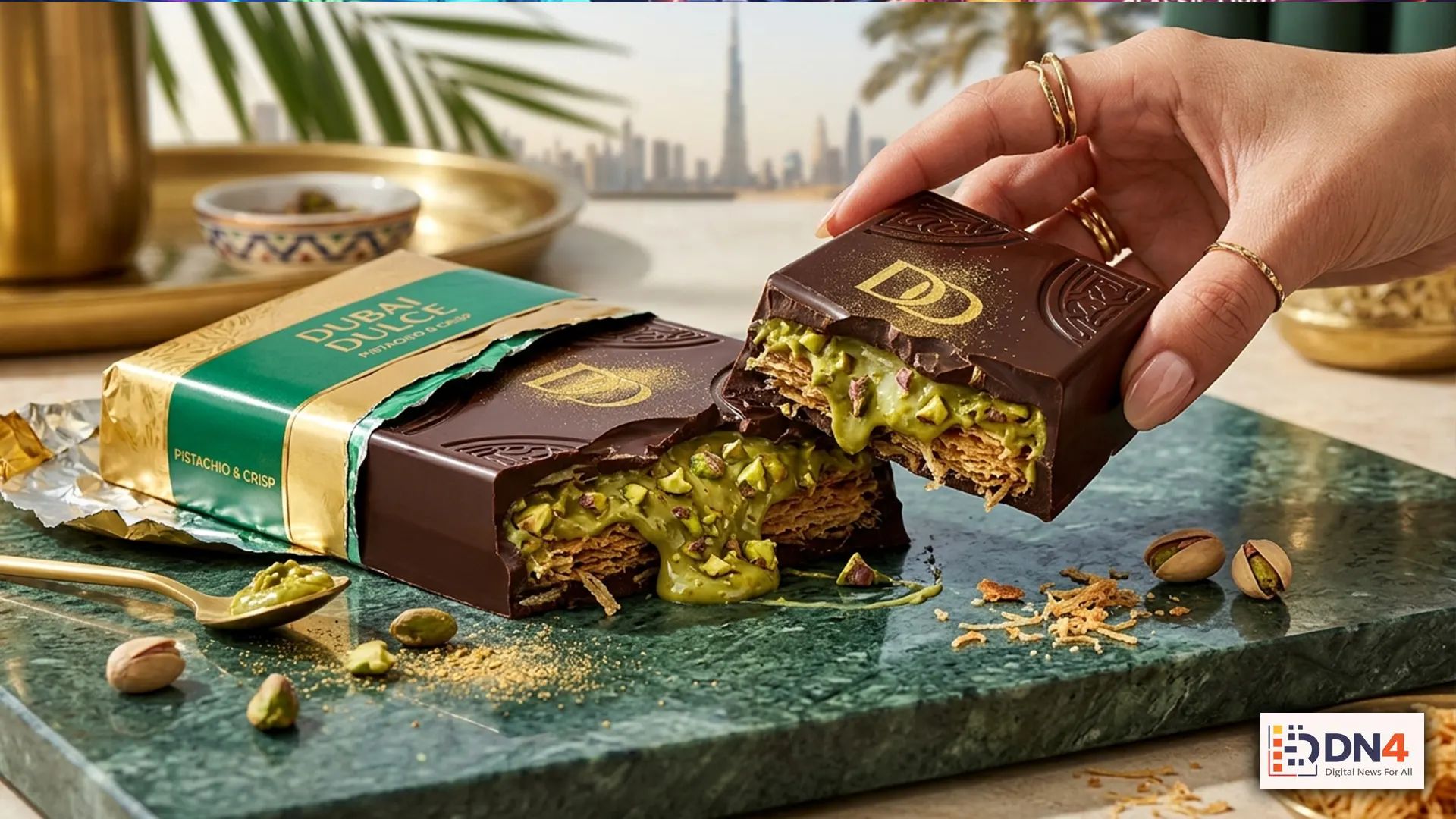
One of the biggest food trends of 2026 isn’t just about flavor—it’s about texture.
From crunchy pistachio-filled chocolate bars to layered desserts designed for camera close-ups, the internet has become obsessed with foods that don’t just taste indulgent—they sound, snap, crack, and ooze.
At the center of that obsession? The now-viral “Dubai Chocolate” aesthetic.
But this trend is bigger than one dessert. It reflects how food culture is changing in the age of TikTok, Instagram Reels, and sensory-first content.
What Is “Dubai Chocolate”?
“Dubai Chocolate” generally refers to a luxury-style chocolate bar or dessert that combines rich milk chocolate with pistachio cream, crispy pastry layers, and highly visual fillings designed to look dramatic when broken open.
The trend exploded globally after creators began posting glossy close-up videos of thick chocolate shells cracking open to reveal bright green pistachio filling and crispy interiors.
Food trend coverage from Taste of Home and Allrecipes has highlighted how the format became one of the most recognizable dessert visuals online.
It’s rich, dramatic, photogenic—and basically engineered to go viral.
Why Texture Matters More Than Taste on Social Media
In real life, flavor still matters most. But online? texture wins attention faster.
That’s because texture creates immediate visual and audio feedback:
- A hard chocolate shell cracking
- A crunchy interior snapping apart
- A creamy filling slowly stretching or spilling out
- Layered pastry flakes scattering on camera
These moments perform incredibly well in short-form video because they trigger the kind of sensory satisfaction viewers stop scrolling for.
Trend analysis from Food & Wine and creator-driven coverage from Delish show that highly textural foods consistently outperform more traditional plated dishes in social engagement.
The ASMR Food Effect
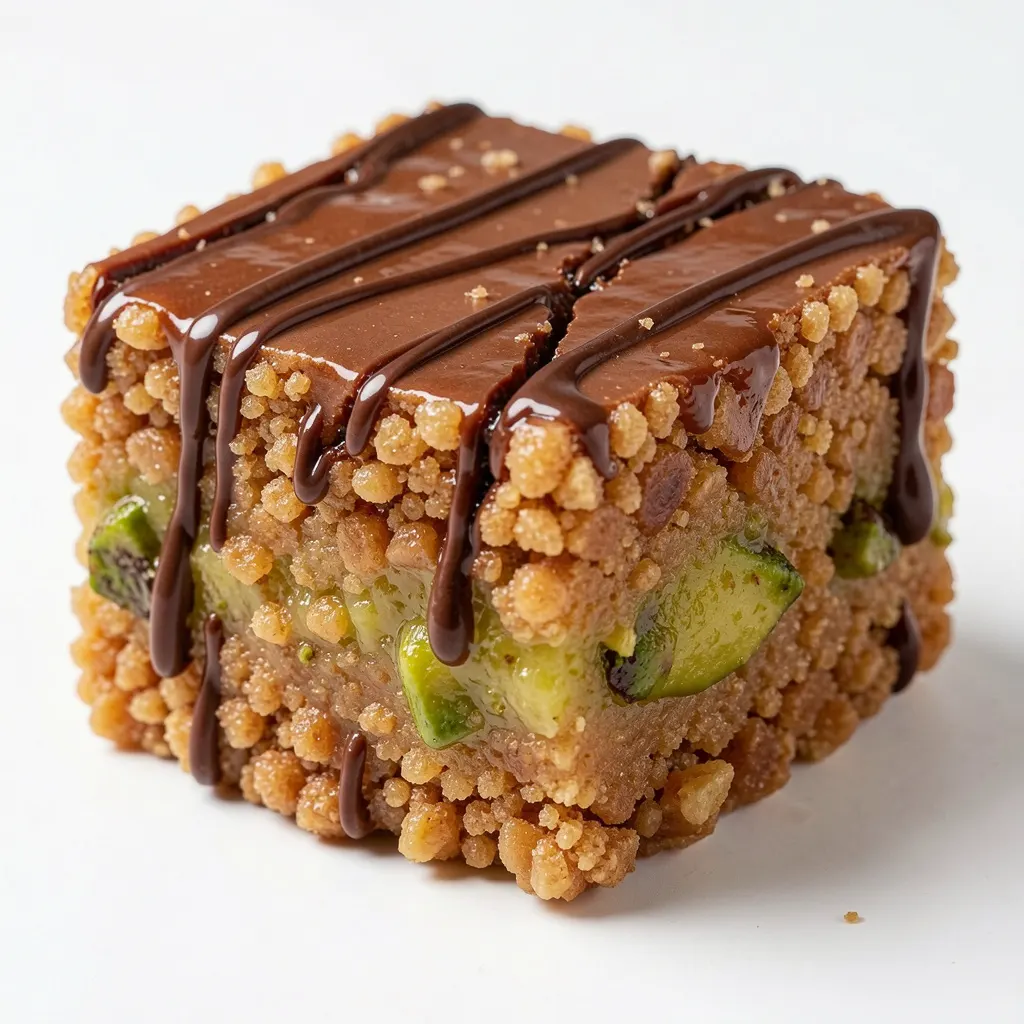
Part of what makes Dubai chocolate and similar snacks so addictive online is that they tap directly into food ASMR.
Crunch, snap, drizzle, crackle—these sounds have become a major part of food content performance.
It’s not enough anymore for a dessert to be “good.” It has to be:
- Visually layered
- Texturally dramatic
- Audibly satisfying
- Emotionally indulgent
That’s why smooth, soft, single-texture desserts often struggle to compete with foods that offer contrast in every bite.
Why Pistachio Keeps Showing Up Everywhere
If you’ve noticed pistachio suddenly dominating dessert trends, you’re not imagining it.
Pistachio works perfectly in viral food for three reasons:
- Its green color stands out immediately on camera
- It signals “premium” or luxury dessert culture
- It pairs well with cream, chocolate, and crunch
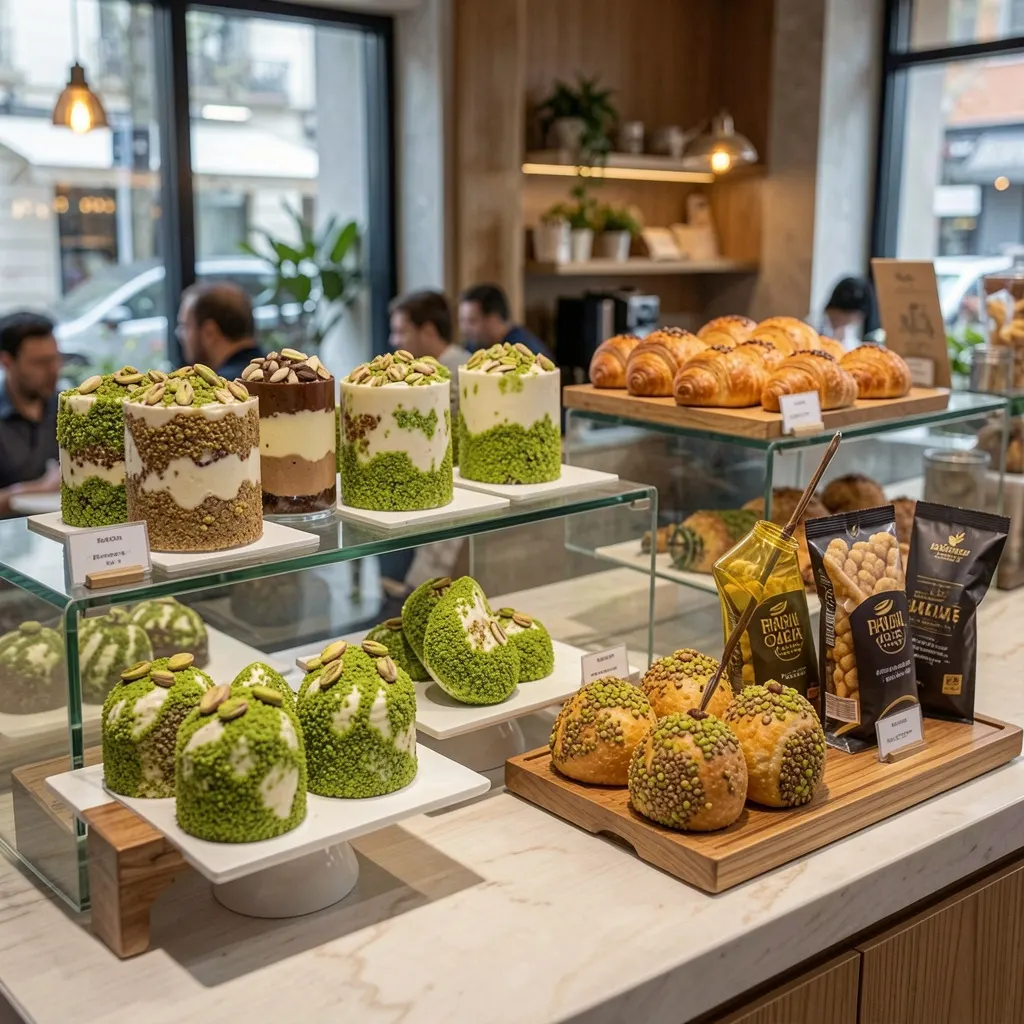
That’s why pistachio cream-filled chocolates, croissants, pastries, cheesecakes, and ice cream bars have all exploded at the same time.
Coverage from Bon Appétit and trend tracking across bakery and café menus show pistachio has become one of the defining flavor-signals of “premium viral dessert” culture.
Why “Dubai” Branding Feels So Powerful in Food Trends
The word “Dubai” itself is doing a lot of work in this trend.
For many global audiences, Dubai branding suggests:
- Luxury
- Excess
- Gold-accented presentation
- Premium ingredients
- Social-media-friendly indulgence
That means even when a chocolate bar isn’t literally from Dubai, the label “Dubai chocolate” instantly communicates a very specific visual and emotional vibe.
It tells consumers this isn’t just candy—it’s a luxury snack experience.
Why Brands and Cafés Are Rushing to Copy It
Once a food trend becomes visually recognizable, brands move fast.
Now cafés, bakeries, dessert shops, and snack startups are all releasing their own versions of:
- Pistachio-filled chocolate bars
- Crispy cream-filled pastries
- Crunch-layered dessert cups
- Texture-heavy snack boxes
The reason is simple: these products are easier to market because they’re inherently “content-ready.”
If a dessert is likely to get filmed, posted, and shared, it becomes both a product and a marketing asset.
This Trend Says a Lot About How We Eat Now
Dubai chocolate isn’t just a snack trend—it’s a clue about how modern food culture works.
Consumers increasingly choose foods not only for taste, but for:
- Visual drama
- Shareability
- Novelty
- Texture contrast
- Social identity
In other words, food is no longer just consumed. It’s performed.
And texture-heavy snacks are ideal for that performance because they deliver instant gratification in both real life and on-screen.
What Comes Next After Dubai Chocolate?
If this trend keeps evolving, expect to see more foods built around multi-sensory contrast.
That could include:
- Crunchy shell + creamy center desserts
- Layered pastry-filled candy bars
- Snack hybrids with sweet-salty contrast
- Luxury-looking convenience foods
The future of viral food isn’t just “sweet.” It’s cinematic.
Dubai chocolate and texture-heavy snacks are dominating food trends because they were built for the internet.
They combine luxury aesthetics, sensory satisfaction, visual drama, and highly shareable indulgence in one bite.
And in 2026, that may matter almost as much as taste itself.
#DubaiChocolate #FoodTrends #ViralSnacks #PistachioDessert #ASMRFood #DessertTok #LuxurySnacks