

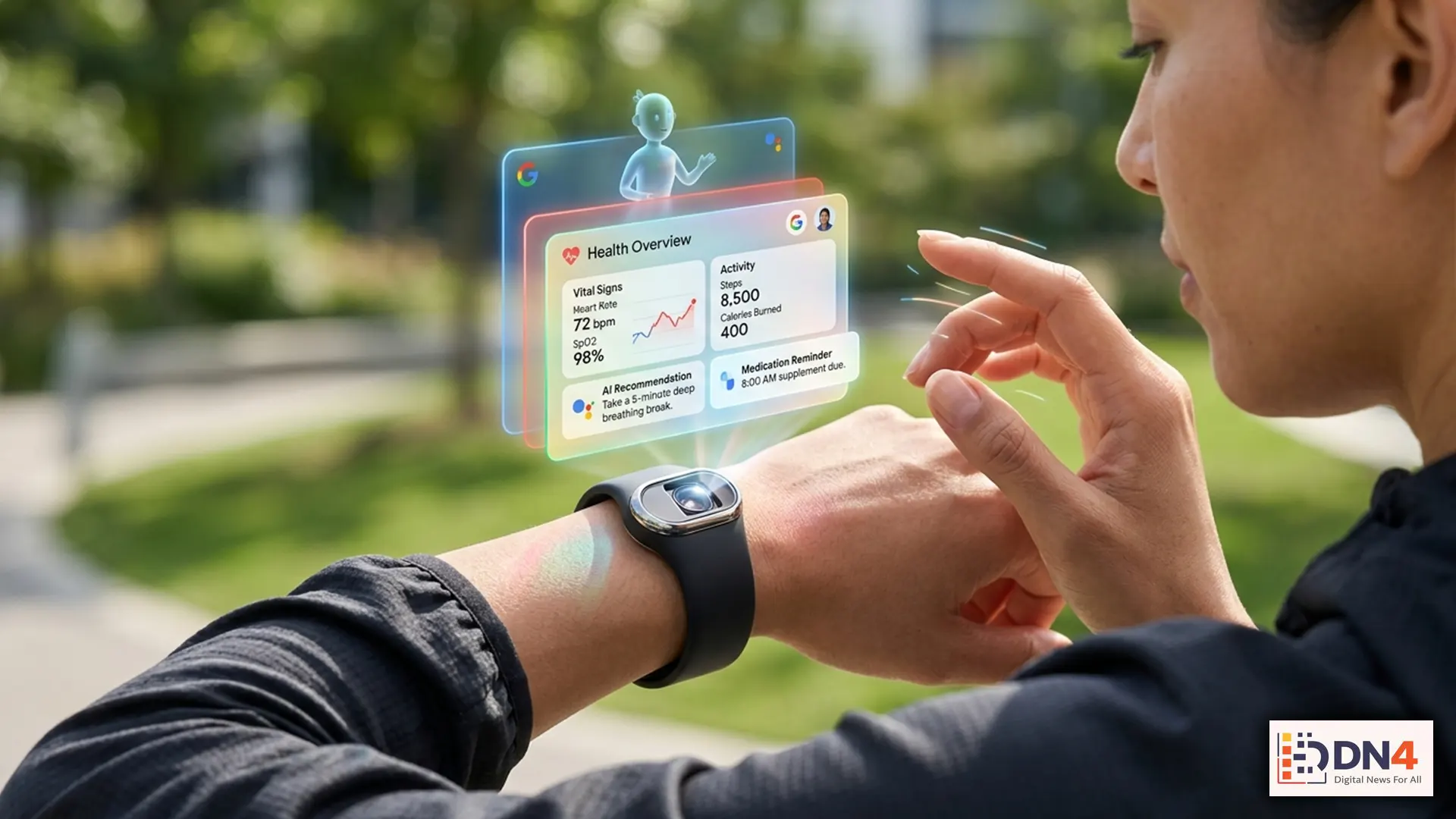
The future of personal wellness may no longer revolve around staring at apps, dashboards, or endless notifications. Instead, Google appears to be moving toward something far more ambitious: an AI-driven health experience that feels less like software and more like a personal wellness companion.
As artificial intelligence reshapes nearly every corner of technology, reports surrounding Google and the evolution of Fitbit suggest the company is preparing for a major transformation in digital health.
The traditional fitness app may soon become secondary to AI-powered coaching systems capable of delivering proactive, personalized wellness guidance without requiring constant screen interaction.
From Fitness Tracking to Intelligent Health Coaching
For years, Fitbit helped popularize wearable fitness tracking through step counts, sleep monitoring, and heart-rate analytics. But consumer expectations are changing rapidly.
Today’s users want more than raw data. They want interpretation, recommendations, and predictive insights.
That’s where artificial intelligence enters the picture.
According to industry coverage from The Verge and WIRED, Google’s broader AI ecosystem is increasingly focused on ambient computing — technology that works quietly in the background instead of demanding constant user attention.
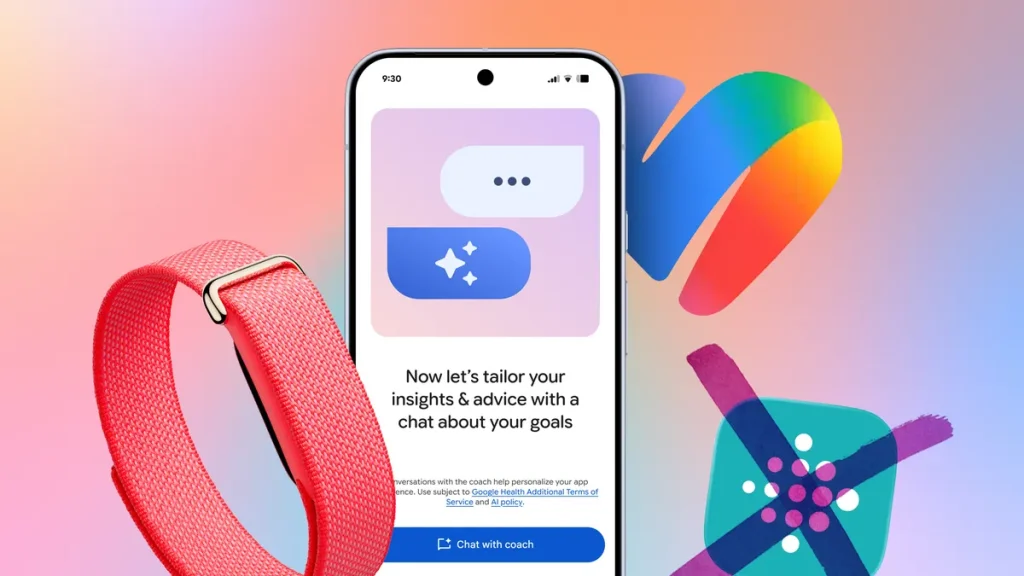
In practical terms, that means your wearable device may soon act less like a fitness tracker and more like a real-time AI health advisor.
What Does “Screenless Wellness” Mean?
The concept of screenless computing has become one of Silicon Valley’s most important emerging trends. Rather than requiring users to open apps and manually analyze metrics, AI systems increasingly deliver information conversationally and proactively.
Imagine waking up and hearing:
- “Your sleep recovery was lower than usual. Consider a lighter workout today.”
- “Your heart-rate variability suggests rising stress levels.”
- “You’re dehydrated based on recent biometric patterns.”
Instead of dashboards, the experience becomes predictive, contextual, and personalized.
Analysts from CNBC Technology believe AI-assisted wellness could become one of the biggest growth areas in consumer technology over the next decade.
Why Google Is Perfectly Positioned
Google already possesses many of the components necessary to dominate AI-driven health technology:
- Wearable hardware through Fitbit and Pixel Watch
- Advanced AI models through Gemini
- Cloud-scale health data processing
- Voice assistant infrastructure
- Machine learning expertise
By combining those systems, Google can create an integrated health ecosystem that feels seamless rather than app-dependent.
Reports from TechCrunch suggest future AI health assistants may integrate sleep tracking, nutrition guidance, mental wellness monitoring, exercise planning, and even early symptom detection.
The Bigger Shift: Ambient AI
The transformation happening with Fitbit reflects a much larger technological movement.
For decades, computing revolved around screens — phones, laptops, tablets, televisions. But companies increasingly believe the next era will center around invisible interfaces powered by AI.
Wearables, earbuds, smart glasses, and ambient assistants may eventually replace many screen-based interactions entirely.
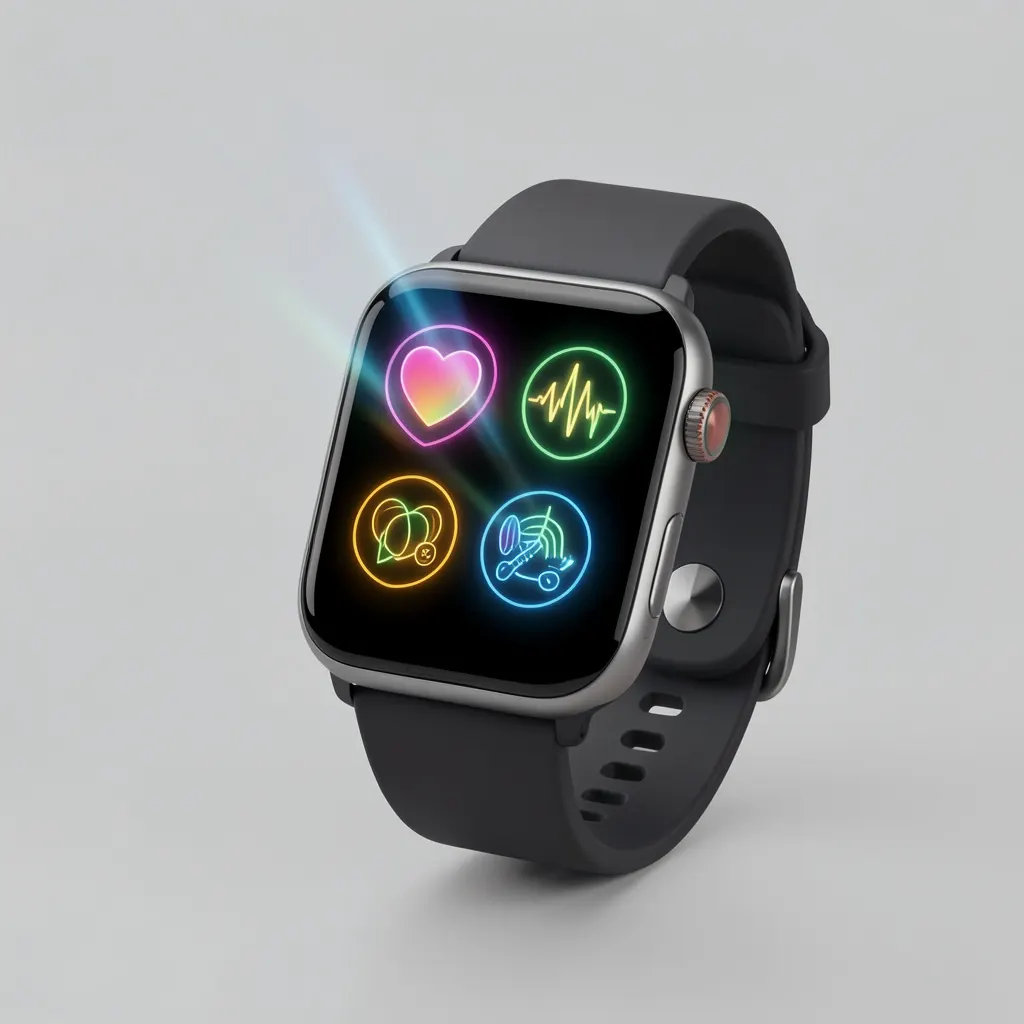
Google’s health ambitions align perfectly with that vision because wellness naturally benefits from continuous, passive monitoring instead of manual engagement.
Privacy Concerns Still Matter
Of course, AI-powered health systems also raise serious questions around privacy and data security.
Health information remains among the most sensitive categories of personal data. Experts from HealthIT.gov continue emphasizing the importance of transparency, encryption, and responsible AI governance in digital healthcare systems.
Consumers may embrace intelligent health coaching, but only if companies can build trust around how biometric data is stored and used.
Google’s apparent shift away from a traditional Fitbit app toward an AI-first wellness experience reflects more than a product redesign. It signals a broader transformation in how humans interact with technology itself.
The future of health tracking may not involve checking apps at all. Instead, AI systems could quietly guide users through healthier routines in real time — personalized, predictive, and nearly invisible.
If that vision succeeds, the age of screenless wellness may arrive much sooner than expected.
#Google #Fitbit #AIHealth #WearableTech #ArtificialIntelligence #DigitalHealth #FutureTech #HealthTech