

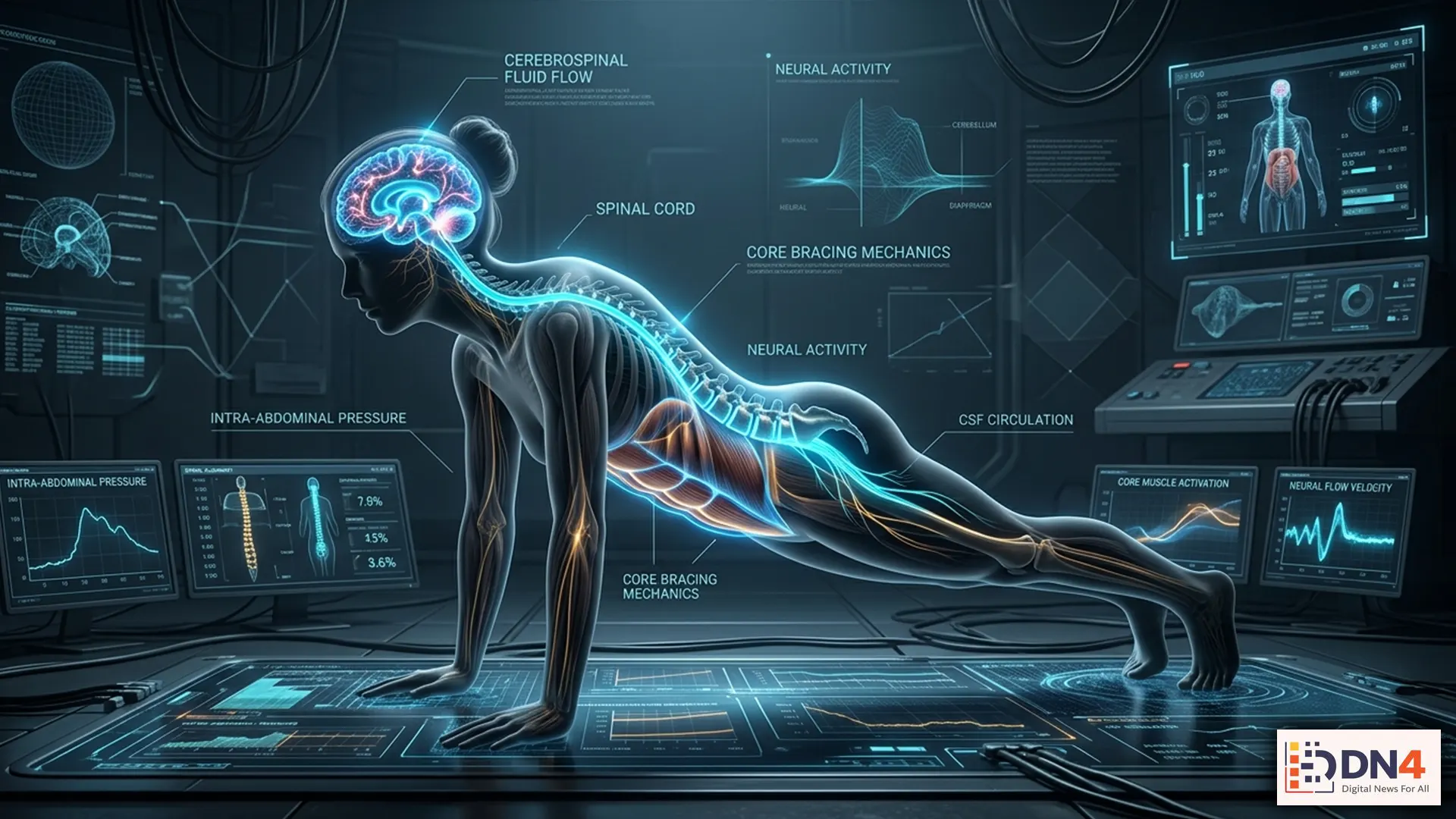
For decades, scientists believed the brain cleaned itself mostly during sleep. But emerging neuroscience research suggests something surprising: simple physical movements — especially those involving deep core muscle activation — may also help trigger the brain’s natural waste-clearing system.
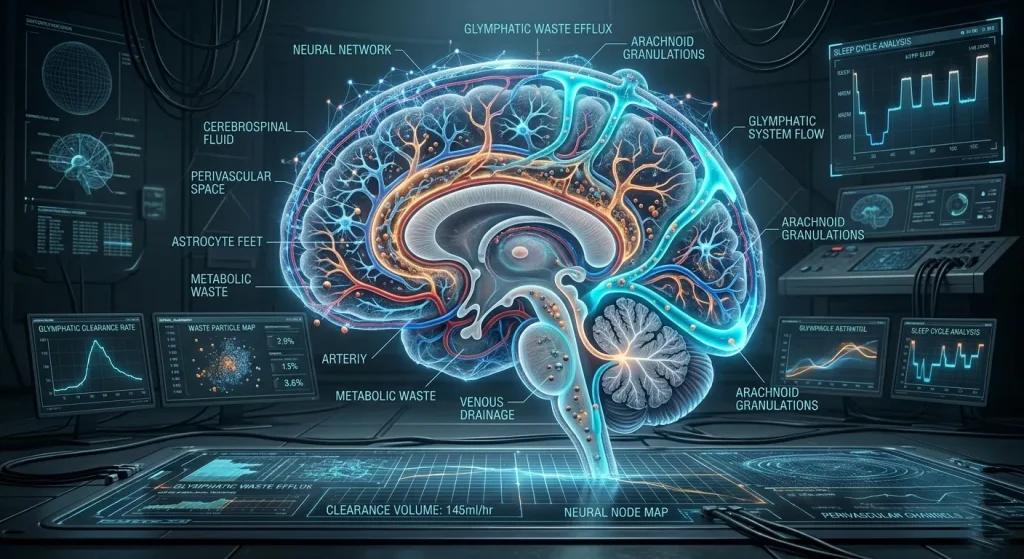
Researchers studying the glymphatic system, the brain’s internal “cleaning network,” are beginning to uncover how pressure, breathing, and body movement influence the circulation of cerebrospinal fluid through brain tissue.
Now, scientists believe that core bracing — the act of tightening abdominal and diaphragm muscles during movement — may create a kind of internal hydraulic effect that helps move waste products through the brain more efficiently.
According to findings discussed by NIH, Nature, and Scientific American, the glymphatic system plays a critical role in removing metabolic waste linked to aging and neurological diseases.
The Brain’s Hidden Plumbing System
The glymphatic system functions somewhat like a pressure-powered cleaning network.
As cerebrospinal fluid moves through brain tissue, it helps clear away proteins, toxins, and cellular waste products that accumulate during normal brain activity. Scientists believe this process is especially important for removing beta-amyloid proteins associated with conditions like Alzheimer’s disease.
For years, researchers focused mainly on sleep as the primary driver of this system. Deep sleep appears to create ideal conditions for fluid exchange and waste removal.
But recent studies suggest body mechanics may also influence how efficiently this hydraulic system operates.
Why Core Bracing Matters
Core bracing happens naturally during activities like:
- Heavy lifting
- Pilates and yoga
- Breath-focused exercise
- Running and sprinting
- Strength training
- Controlled diaphragmatic breathing
When the diaphragm, abdominal wall, pelvic floor, and spinal stabilizers contract together, they create changes in internal pressure throughout the torso.
Scientists now suspect these pressure shifts may help drive cerebrospinal fluid movement upward toward the brain and spinal canal — essentially creating a mechanical pumping effect.
Research from institutions featured in Cell and Harvard Health has increasingly explored how respiration, blood vessel pulsation, posture, and movement interact with glymphatic circulation.
The ‘Hydraulic Flush’ Theory
Some neuroscientists informally describe this phenomenon as a “hydraulic flush.”
The theory suggests coordinated muscular contractions and breathing patterns create rhythmic pressure waves that help push fluid through narrow channels surrounding blood vessels in the brain.
In simple terms, your body may partially “pump” the brain clean during movement.
That doesn’t mean exercise replaces sleep — far from it. Sleep remains the brain’s most powerful recovery mechanism. But movement may provide an additional support system for neurological maintenance throughout the day.
Why This Discovery Is Generating Attention
The implications extend far beyond fitness culture.
If researchers confirm stronger links between movement-driven pressure changes and brain waste clearance, it could reshape how scientists think about:
- Neurodegenerative disease prevention
- Aging and cognitive decline
- Exercise prescriptions for brain health
- Breathing therapies
- Rehabilitation medicine
- Long-term neurological resilience
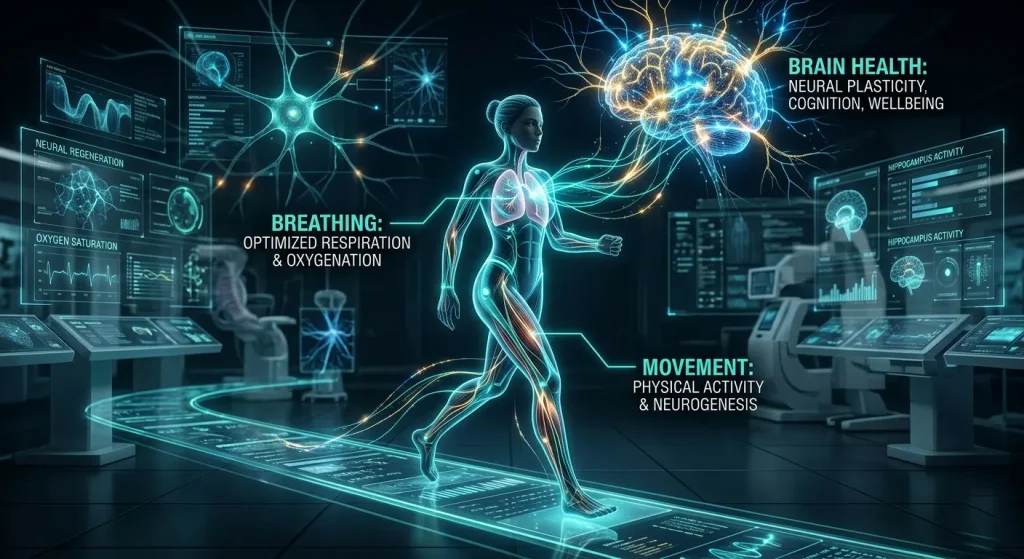
Modern neuroscience increasingly recognizes that the brain does not function independently from the body. Circulation, posture, respiration, muscular tension, and even movement patterns may all influence cognitive health.
The Fitness Industry May Already Be Ahead
Interestingly, many disciplines emphasizing controlled breathing and core stability — including yoga, martial arts, Pilates, and strength training — have long claimed neurological and mental clarity benefits.
While those claims were once considered anecdotal, researchers are now beginning to identify measurable physiological mechanisms that could explain them.
Breathing-driven pressure regulation may turn out to be one of the missing links.
A New Frontier in Brain Health
The idea that squeezing your core could help clean your brain sounds almost too simple. But modern neuroscience is increasingly discovering that some of the body’s most powerful systems rely on subtle mechanical interactions hidden beneath everyday movement.
The future of brain health may involve far more than pills or advanced therapies. It may also depend on how we breathe, move, sleep, and stabilize our bodies every single day.
And if the “hydraulic flush” theory continues gaining scientific support, core bracing might eventually become recognized as more than a fitness technique — it could become part of the conversation around protecting long-term cognitive health itself.
#BrainHealth #Neuroscience #GlymphaticSystem #FitnessScience #CoreBracing #HealthInnovation #CognitiveHealth #Biohacking #Wellness