

 By Vinod Ram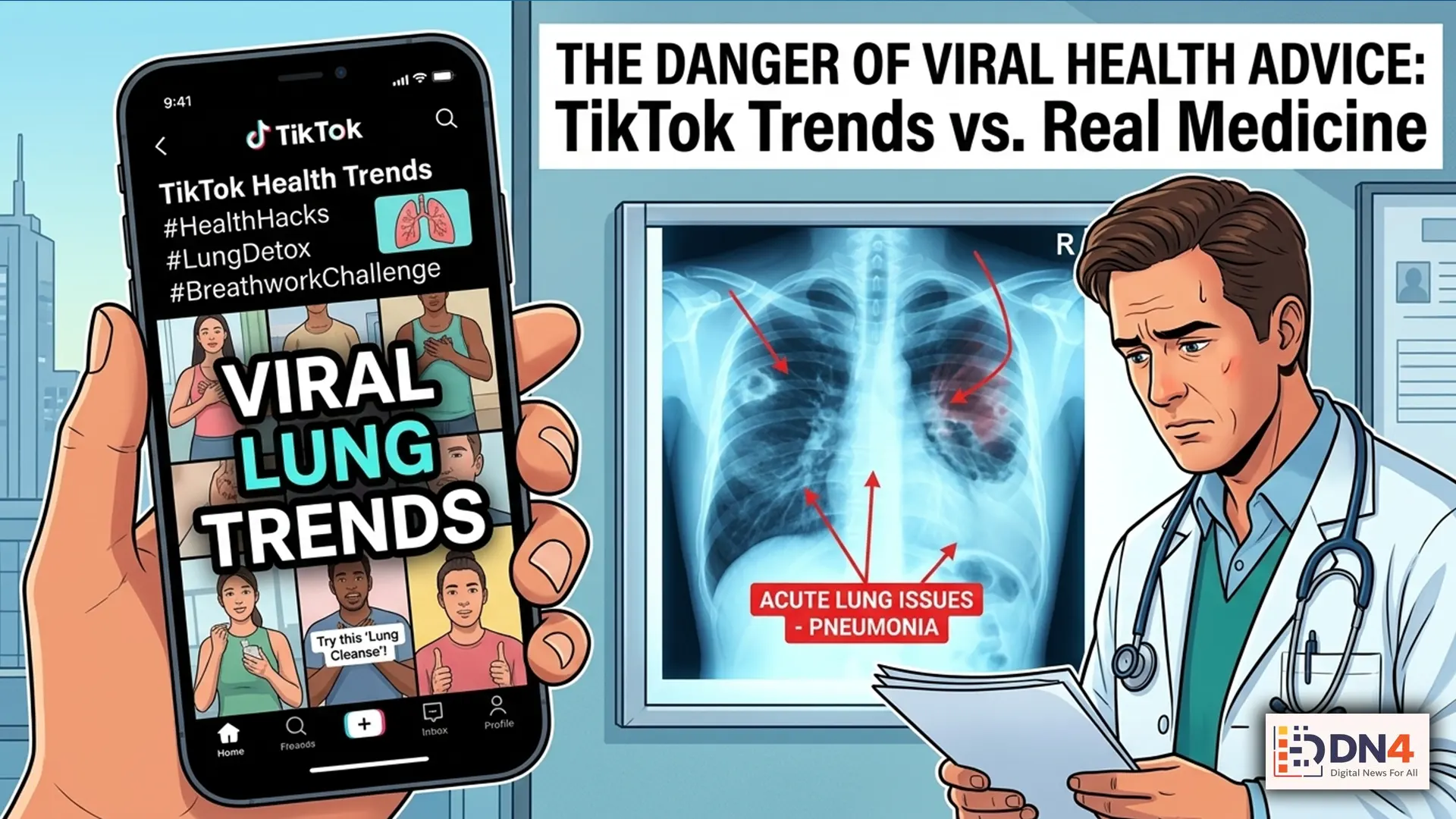
Social media platforms have become a major source of health advice, with millions of users sharing wellness routines and medical “hacks.”
However, doctors are increasingly warning that some viral trends circulating on TikTok may pose serious risks—especially when it comes to lung health.
Respiratory specialists say several popular wellness trends gaining traction this week could cause irritation, inflammation, or long-term damage to the lungs.
Experts from organizations such as the American Lung Association emphasize that online health advice should never replace professional medical guidance.
1. The “Extreme Breath-Hold Challenge”
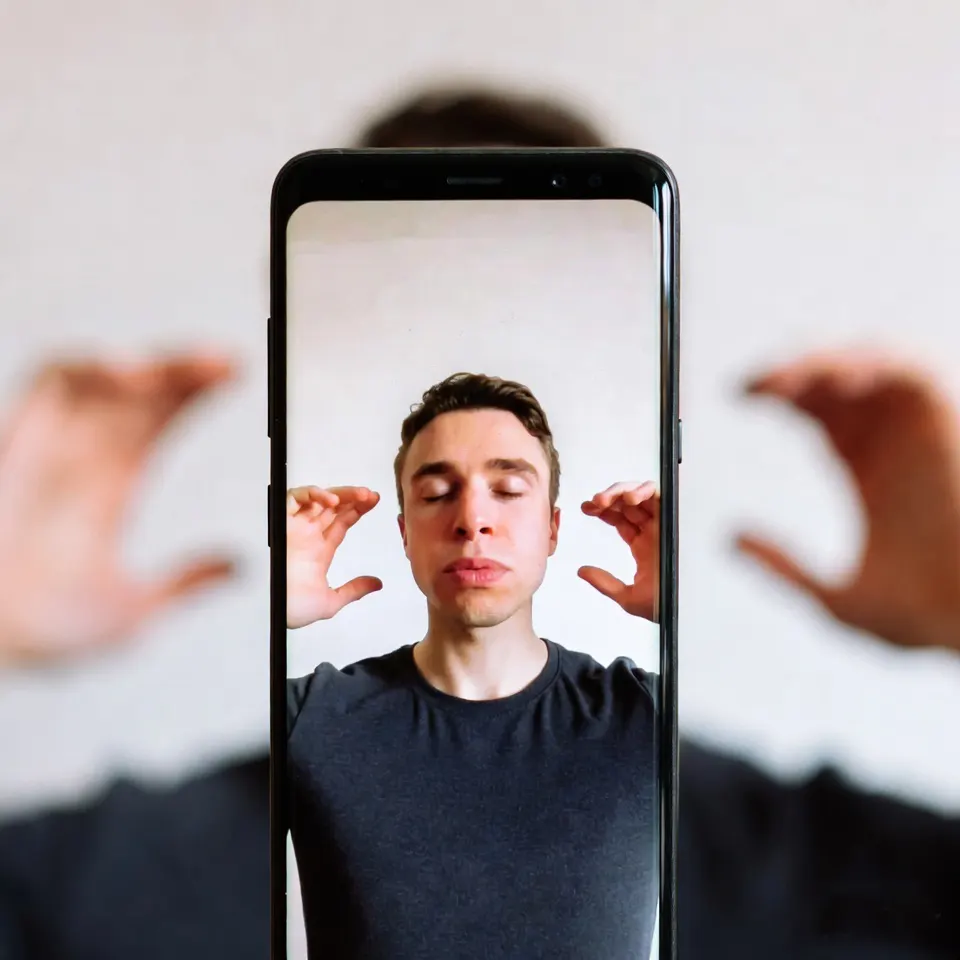
One of the most widely shared trends involves users attempting to hold their breath for extended periods while recording the results.
Participants often compete to see who can go the longest without breathing.
While breath training can be useful in certain sports, doctors warn that excessive breath-holding can lead to dizziness, fainting, or even loss of consciousness.
The Centers for Disease Control and Prevention advises that sudden oxygen deprivation can strain the body and increase risk of injury if someone passes out.
2. Inhaling “Herbal Smoke” for Detox
Another viral trend encourages users to inhale smoke from herbal blends or plant-based products marketed as “lung detox” remedies.
Despite claims that these substances cleanse the respiratory system, pulmonologists say inhaling any form of smoke can irritate lung tissue.
The National Institutes of Health has repeatedly warned that smoke inhalation—regardless of the source—can damage the lungs and worsen respiratory conditions.
3. DIY Essential Oil Steam Inhalation
Steam inhalation using essential oils has been circulating on social media as a remedy for congestion and respiratory discomfort.
While mild steam inhalation can sometimes provide temporary relief, doctors caution that concentrated essential oils may trigger irritation or allergic reactions when inhaled in large amounts.
Experts from the World Health Organization recommend consulting healthcare professionals before using alternative treatments for respiratory issues.
Why Health Misinformation Spreads So Quickly
Social media platforms reward engaging content, and dramatic health claims often attract millions of views.
Unfortunately, viral popularity does not guarantee scientific accuracy.
Medical professionals say the rapid spread of health misinformation can lead people to try unverified practices that may cause harm.

How to Evaluate Health Advice Online
Experts suggest several ways to determine whether health information online is trustworthy:
- Check whether the information comes from credible medical organizations.
- Look for scientific evidence supporting the claims.
- Consult healthcare professionals before trying new health practices.
- Avoid trends that encourage risky or extreme behaviors.
Reliable sources such as the Mayo Clinic and other medical institutions provide evidence-based guidance on respiratory health.
Social media can be a powerful tool for sharing wellness ideas, but not every viral trend is safe.
The latest TikTok health challenges highlight the importance of approaching online advice with caution.
When it comes to lung health, experts agree that the safest path is always evidence-based care and professional medical guidance.
#TikTokTrends #HealthWarnings #LungHealth #MedicalAdvice #WellnessMyths #HealthAwareness #SocialMediaHealth