

 By Vinod Ram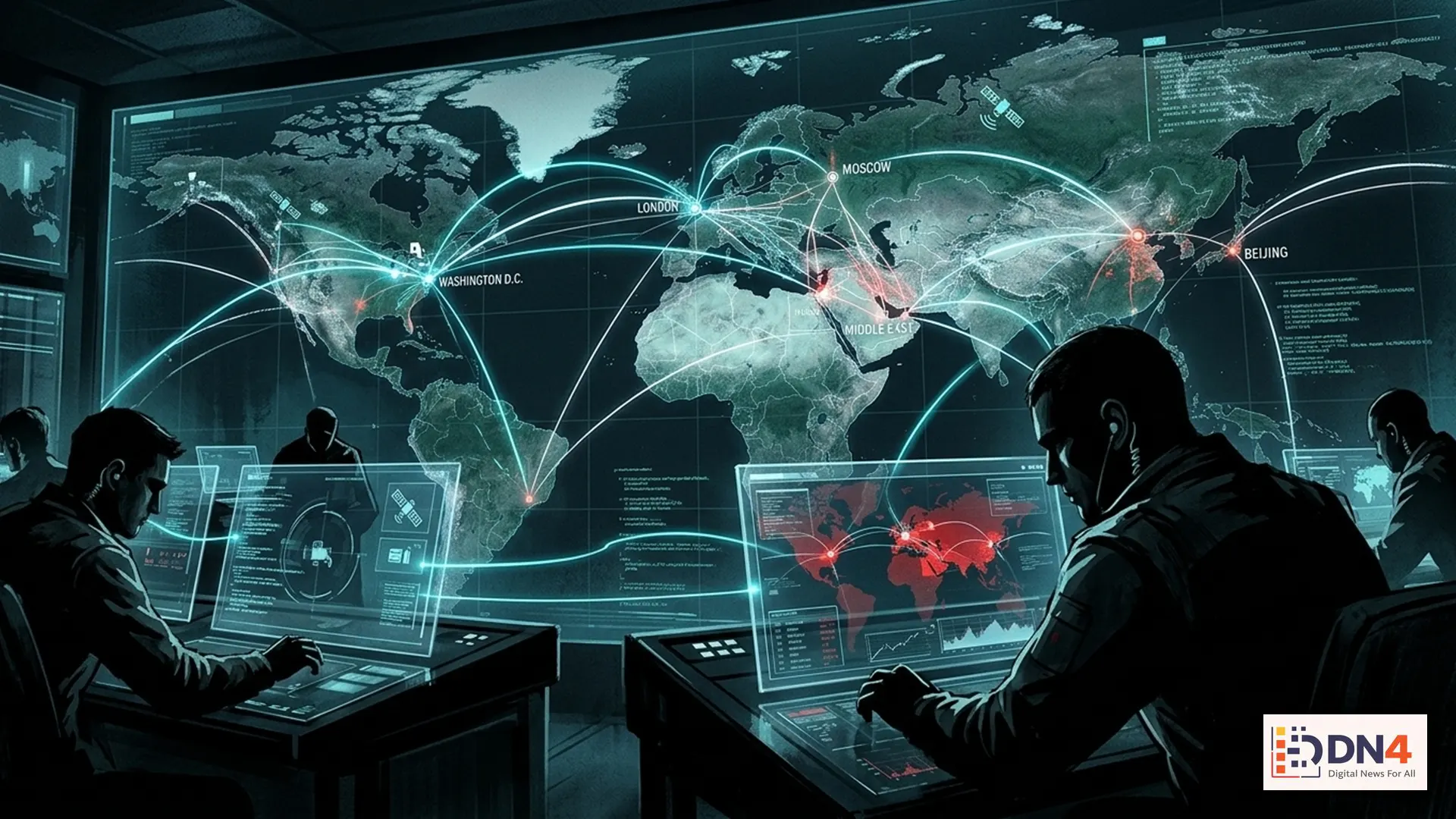
Global security analysts are closely monitoring potential threats following the reported assassination of Iran’s Supreme Leader on March 7. In the days since the news broke, search interest for the term “sleeper cells” has surged worldwide.
The spike reflects growing public curiosity—and concern—about how covert intelligence networks operate and whether retaliatory operations could emerge in Western countries.
Understanding what sleeper cells are, and how they differ from other forms of extremist activity, can help explain why intelligence agencies remain cautious during moments of geopolitical instability.
What Are Sleeper Cells?
A sleeper cell refers to a covert group or individual embedded within a target society who remains inactive for long periods before being activated to carry out intelligence or operational missions.
Unlike traditional espionage networks, sleeper operatives often live seemingly ordinary lives—working regular jobs and blending into communities—while maintaining hidden allegiance to an external organization.
Security analysts frequently discuss these networks in counterintelligence research, including studies referenced by organizations such as the Central Intelligence Agency and the Federal Bureau of Investigation.
The Historical Origins of Sleeper Cells
The concept of sleeper agents became widely known during the Cold War when intelligence services from rival nations placed long-term operatives inside foreign societies.
Some of the most famous espionage cases involved covert agents secretly working for decades before being exposed.
Historical examples of espionage networks have been documented in academic research about espionage and intelligence operations.
While the geopolitical landscape has evolved since the Cold War, the concept of hidden operatives remains a central concern in modern security planning.
Sleeper Cells vs. Lone Wolf Attacks
One important distinction in modern security analysis is the difference between sleeper cells and lone wolf attackers.
A lone wolf typically acts independently, often radicalized through online content or personal grievances without direct operational control from an organization.
Sleeper cells, by contrast, usually involve structured planning, coordination, and long-term preparation linked to external groups.
Research on modern terrorism patterns has been widely studied by organizations such as the RAND Corporation, which analyzes global security threats.
Why Intelligence Agencies Are Watching Closely in 2026
Moments of geopolitical upheaval often trigger increased monitoring by intelligence agencies around the world.
Following major political events or leadership changes, authorities typically review potential risks involving covert networks or extremist retaliation.
Modern counterterrorism strategies combine multiple tools:
- Advanced data analysis of global communications
- International intelligence sharing
- Cyber threat monitoring
- Financial tracking of suspicious networks
These strategies are coordinated through multinational security partnerships and research organizations such as INTERPOL.
The Role of Technology in Detecting Sleeper Networks
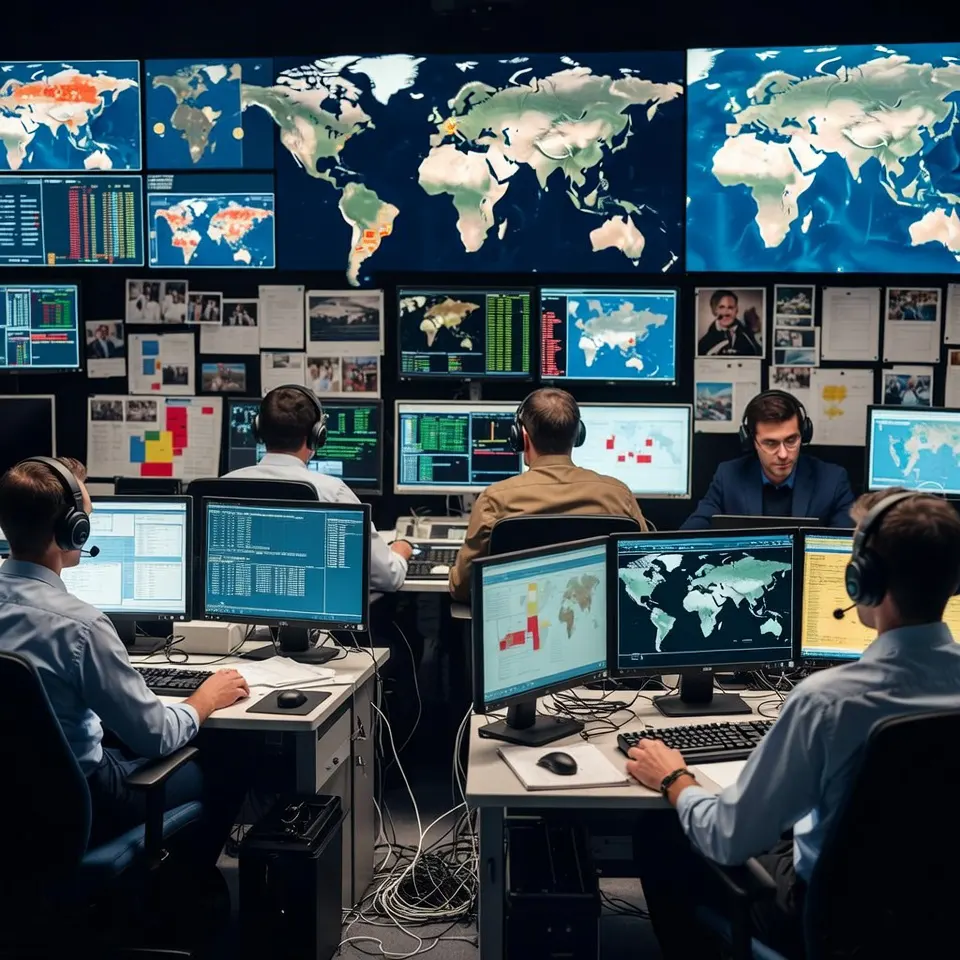
Technology has dramatically changed how intelligence agencies track potential threats.
In 2026, modern surveillance systems combine artificial intelligence, data analytics, and international cooperation to identify suspicious patterns across digital networks.
Experts say these tools make it far more difficult for covert groups to remain completely hidden for extended periods.
However, the balance between security and civil liberties remains a key debate in democratic societies.
Why Public Awareness Matters
Periods of geopolitical tension often produce waves of misinformation or speculation online.
Security experts emphasize that while vigilance is important, most intelligence work focuses on prevention and monitoring rather than reacting to immediate threats.
Understanding how covert networks operate helps provide context during uncertain moments and highlights the importance of global cooperation in maintaining public safety.
#SleeperCells #GlobalSecurity #IntelligenceAgencies #Geopolitics #CounterTerrorism #WorldNews