

 By Vinod Ram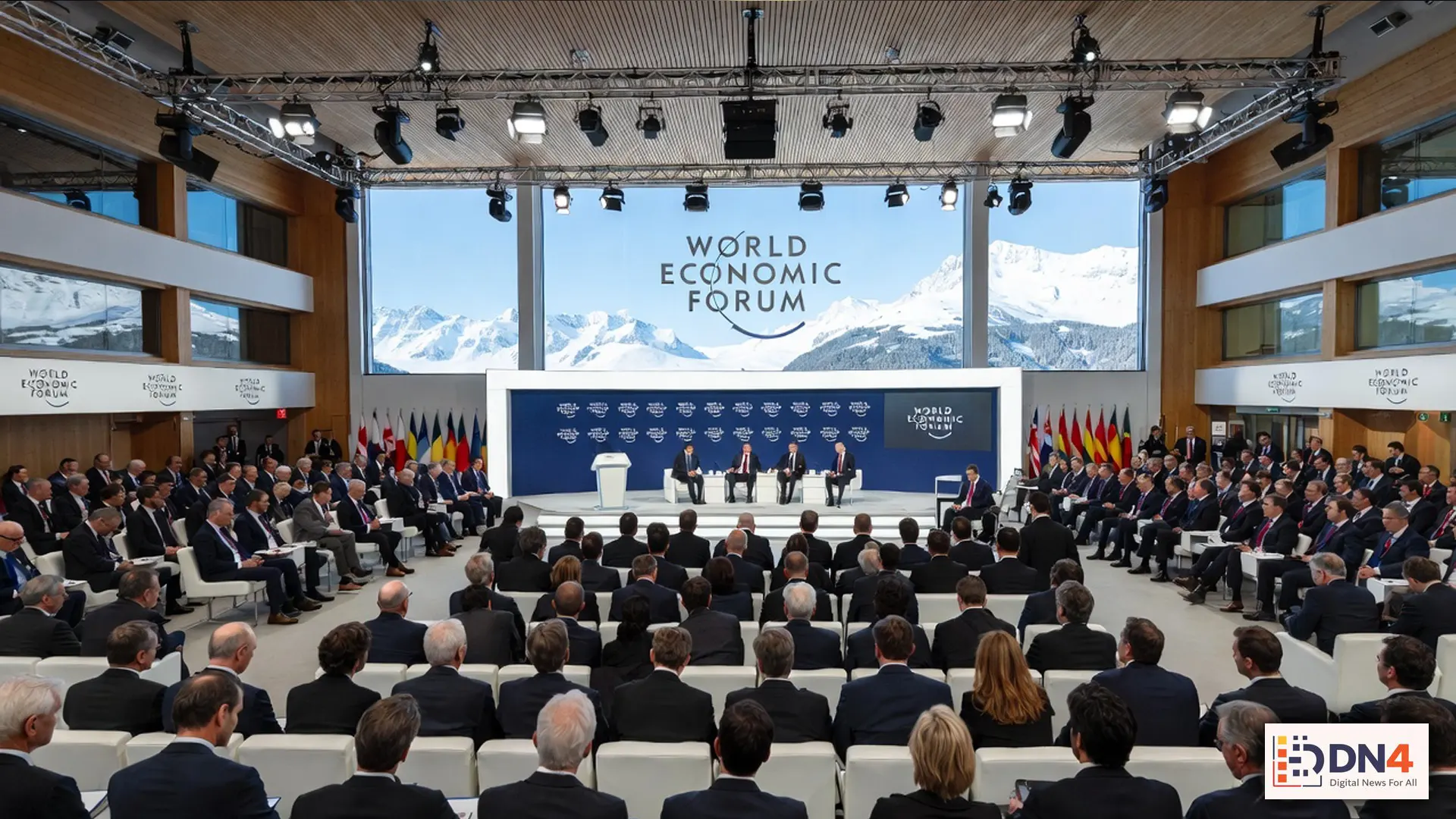
Every year, world leaders, economists, and CEOs gather in the Swiss Alps to discuss the future of the global economy at the Davos summit. The 2026 World Economic Forum meeting delivered a clear message: global trade is changing rapidly, and those changes could directly impact everyday consumers.
Organized by the World Economic Forum, the Davos gathering has long been a platform where economic policies and international cooperation take center stage.
Supply Chains Are Being Rewritten
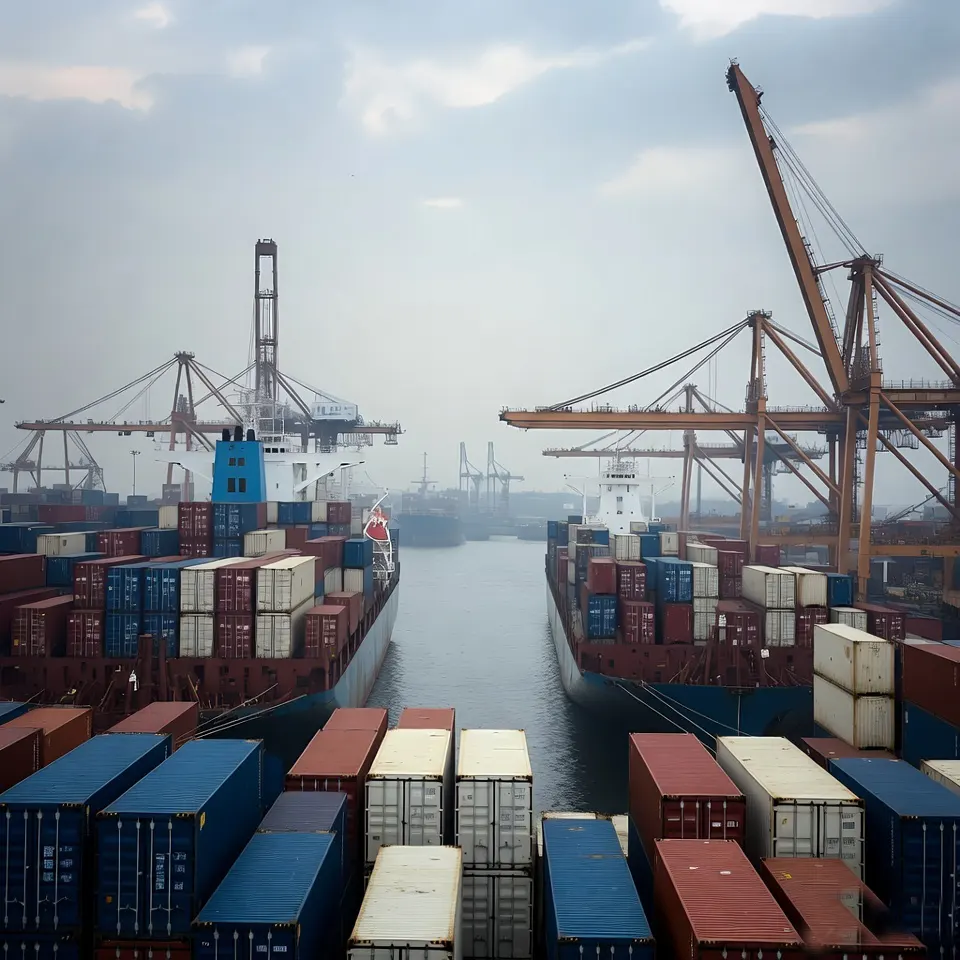
One of the biggest discussions at Davos 2026 focused on the restructuring of global supply chains. In recent years, geopolitical tensions and economic shifts have encouraged companies to diversify their manufacturing networks.
Reports highlighted by Bloomberg Economics suggest that many companies are moving production closer to their primary markets to reduce risk.
This trend—often called “nearshoring”—could change how goods are produced and shipped around the world.
Trade Policies and Tariffs in Focus
Government officials at Davos emphasized the growing importance of trade policies. Tariffs and new regulations could reshape international commerce in the coming years.
Experts from The International Monetary Fund warn that trade fragmentation could increase costs for businesses, which may ultimately be passed on to consumers.
What It Means for Prices and Inflation
One of the biggest concerns for consumers is how global trade changes affect everyday prices.
When supply chains shift or tariffs increase, the cost of goods—from electronics to groceries—can rise. Analysts speaking to Reuters Business noted that trade policy decisions often ripple through the global economy.
For households, this can translate into higher prices for imported products and fluctuations in inflation rates.
Technology and AI in Global Trade
Another major theme at Davos 2026 was the role of technology in reshaping trade. Artificial intelligence, automation, and digital platforms are transforming how companies produce and distribute goods.
Economic researchers at OECD highlight that AI-driven logistics and supply chain analytics could help companies reduce costs while improving efficiency.
Opportunities for Emerging Markets
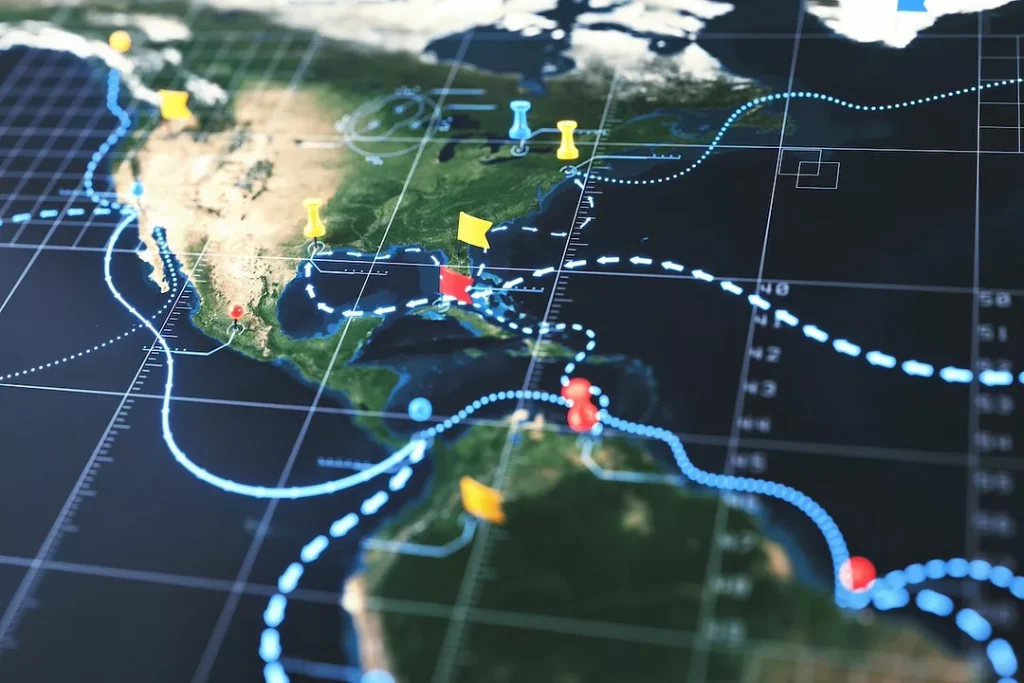
While trade disruptions create challenges, they also open new opportunities. Several emerging economies are positioning themselves as alternative manufacturing hubs.
Trade development experts at UNCTAD believe countries in Southeast Asia, Latin America, and Africa could benefit from the ongoing shift in global supply chains.
How It Affects Your Wallet
So what does all of this mean for everyday consumers?
- Imported goods could become more expensive
- Supply chain changes may affect product availability
- Some industries could see new job opportunities
- Technological improvements could lower costs in certain sectors
In short, decisions made by global leaders and corporations can have a real impact on household budgets.
Davos 2026 highlighted how interconnected the global economy has become. Trade policies, supply chain strategies, and technological innovation are reshaping how goods move around the world.
For consumers, the effects may appear in the form of price changes, job market shifts, and new economic opportunities. As the year unfolds, these global decisions could play a major role in shaping financial realities at home.
#Davos2026 #GlobalTrade #WorldEconomicForum #EconomicTrends #GlobalEconomy #TradePolicy #FinanceNews