

 By Vinod Ram
A surprising food trend is gaining traction among younger consumers in 2026. Across social media and wellness communities, many members of Gen Z are replacing common cooking oils like canola, soybean, and sunflower oil with a much older ingredient: beef tallow.
This shift is part of a broader movement toward traditional cooking fats and minimally processed foods. Influencers on platforms like TikTok and Instagram frequently promote cooking with animal fats, claiming they are more natural and stable for high-heat cooking.
But behind the viral trend lies a complicated nutritional debate involving scientists, nutritionists, and public health experts.
What Is Beef Tallow?
Beef tallow is rendered fat from cattle that has been used in cooking for centuries. Before the widespread use of industrial vegetable oils in the 20th century, many restaurants and home cooks relied on animal fats such as butter, lard, and tallow.
In fact, major fast-food chains once fried foods in animal fats before switching to vegetable oils during the late 1980s and 1990s due to health concerns about saturated fats, according to historical reports cited by Encyclopaedia Britannica.
Tallow remains popular among chefs because it has a high smoke point and adds rich flavor to foods like roasted vegetables, fries, and steak.

Why Gen Z Is Turning Away From Seed Oils
The recent backlash against seed oils stems largely from online discussions questioning the role of industrially processed oils in modern diets.
Seed oils commonly used in processed foods include:
- Soybean oil
- Canola oil
- Corn oil
- Sunflower oil
Critics argue that these oils contain high levels of omega-6 fatty acids, which some researchers believe may contribute to inflammation when consumed in excessive amounts.
However, organizations like the American Heart Association state that unsaturated fats from plant oils can still be part of a healthy diet when consumed in moderation.
The Science Behind the Debate
Nutrition science surrounding dietary fats remains complex. Some studies suggest saturated fats—such as those found in beef tallow—may raise LDL cholesterol levels.
Research reviewed by Harvard T.H. Chan School of Public Health indicates that replacing saturated fats with unsaturated fats may reduce cardiovascular risk.
At the same time, other researchers argue that the overall dietary pattern matters more than any single ingredient.
Institutions like the National Institutes of Health continue to study how different fats interact with metabolism, inflammation, and long-term health outcomes.
The Role of Social Media in Food Trends
Gen Z’s embrace of beef tallow is not happening in isolation. Social media has become one of the most powerful forces shaping modern food trends.
Creators often promote “ancestral diets,” emphasizing traditional foods that humans consumed before industrial food production became widespread.
These discussions frequently appear alongside other viral wellness topics, including raw milk, carnivore diets, and low-processed eating styles.
Food trend analysts at Mintel note that younger consumers increasingly value transparency, natural ingredients, and simple cooking methods.
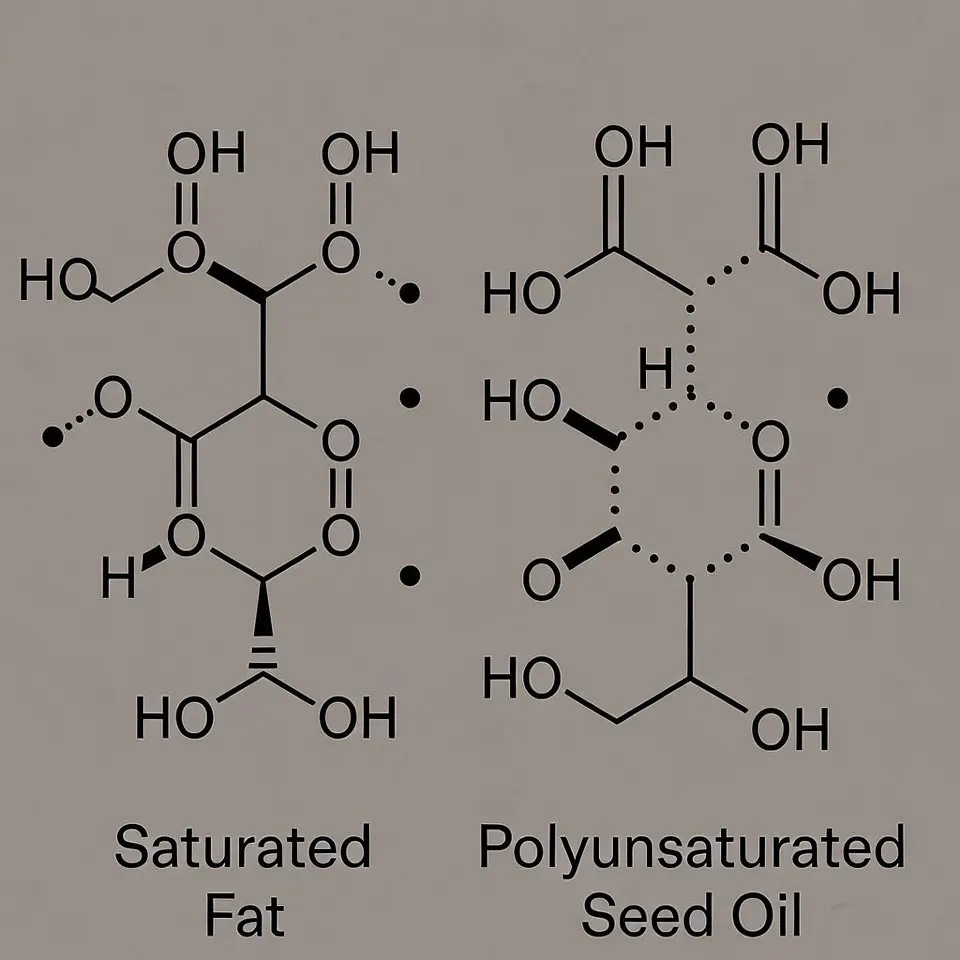
Is Beef Tallow Healthier Than Seed Oils?
There is no universal agreement among experts. Each type of fat contains different properties:
- Beef tallow: High in saturated fat but stable for high-temperature cooking.
- Seed oils: Higher in polyunsaturated fats but often heavily processed.
According to guidance from the World Health Organization, maintaining balanced fat intake and limiting ultra-processed foods remains more important than choosing any single cooking fat.
In other words, the overall quality of the diet still plays the largest role in long-term health.
The Future of the Tallow Trend
Whether the tallow movement becomes a long-term dietary shift or simply another viral food trend remains to be seen.
What is clear, however, is that younger consumers are questioning traditional nutrition advice and exploring alternative approaches to food.
As nutrition science evolves, the conversation around dietary fats will likely continue—especially as consumers search for healthier and more natural ways to cook.
The rise of the tallow trend highlights how quickly food culture can shift in the digital age. While beef tallow may offer culinary benefits and historical appeal, the broader scientific debate about dietary fats is far from settled.
For now, the key takeaway remains simple: moderation, balanced nutrition, and whole foods continue to be the most reliable foundations of long-term health.
#TallowTrend #SeedOilsDebate #GenZFoodTrends #NutritionScience #HealthyCooking #FoodTrends2026