

 By Vinod Ram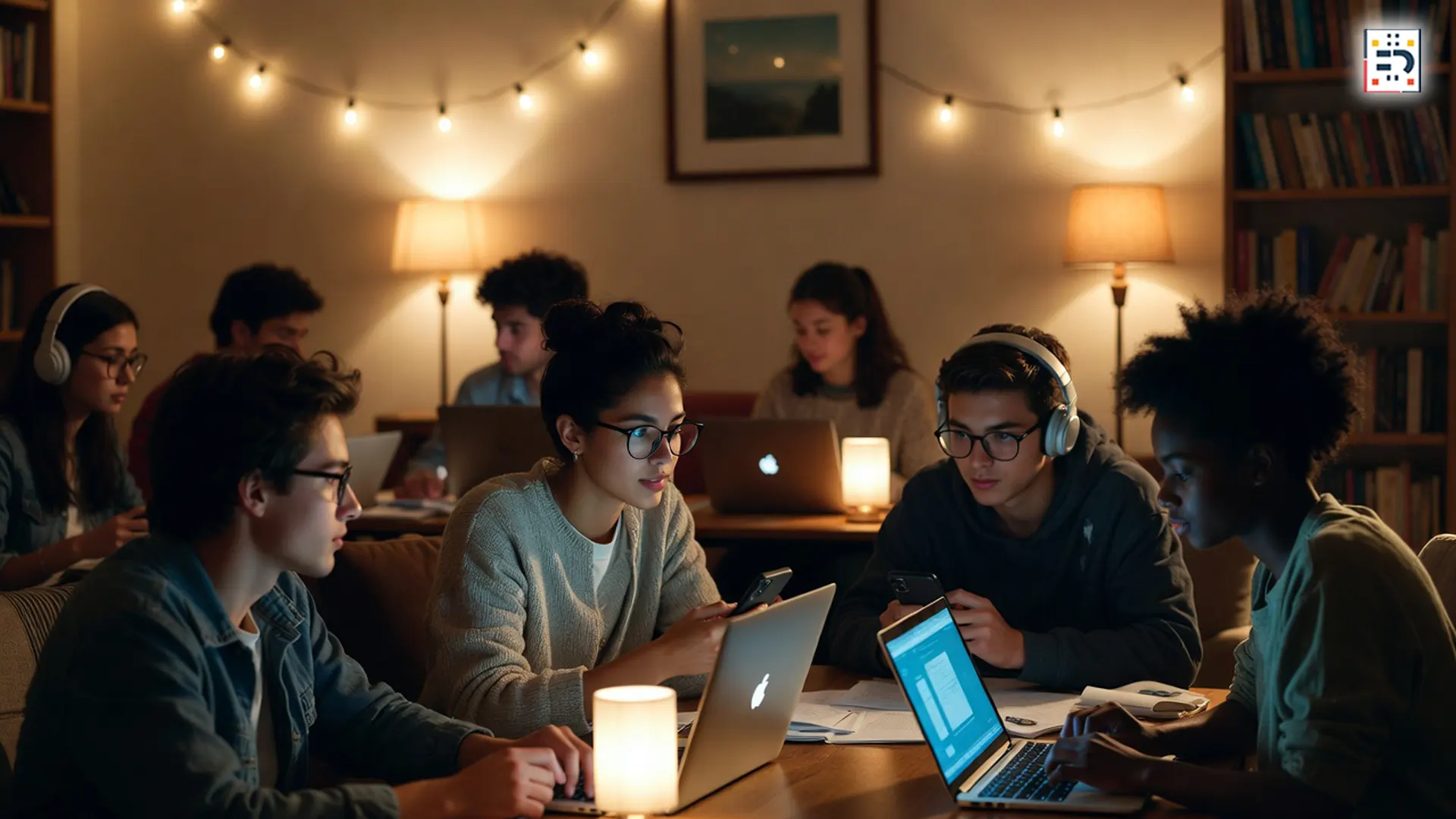
For years, massive public social feeds defined online culture. Platforms like TikTok thrived on viral reach, algorithm-driven discovery, and endless scrolling. But a noticeable shift is underway. Especially among Gen Z, users are increasingly abandoning large, noisy platforms in favor of smaller, more intimate digital spaces.
Communities on Discord and creator-driven platforms like Substack are seeing rising engagement—signaling a deeper cultural change in how people want to connect online.
Why the Era of Massive Public Feeds Is Plateauing
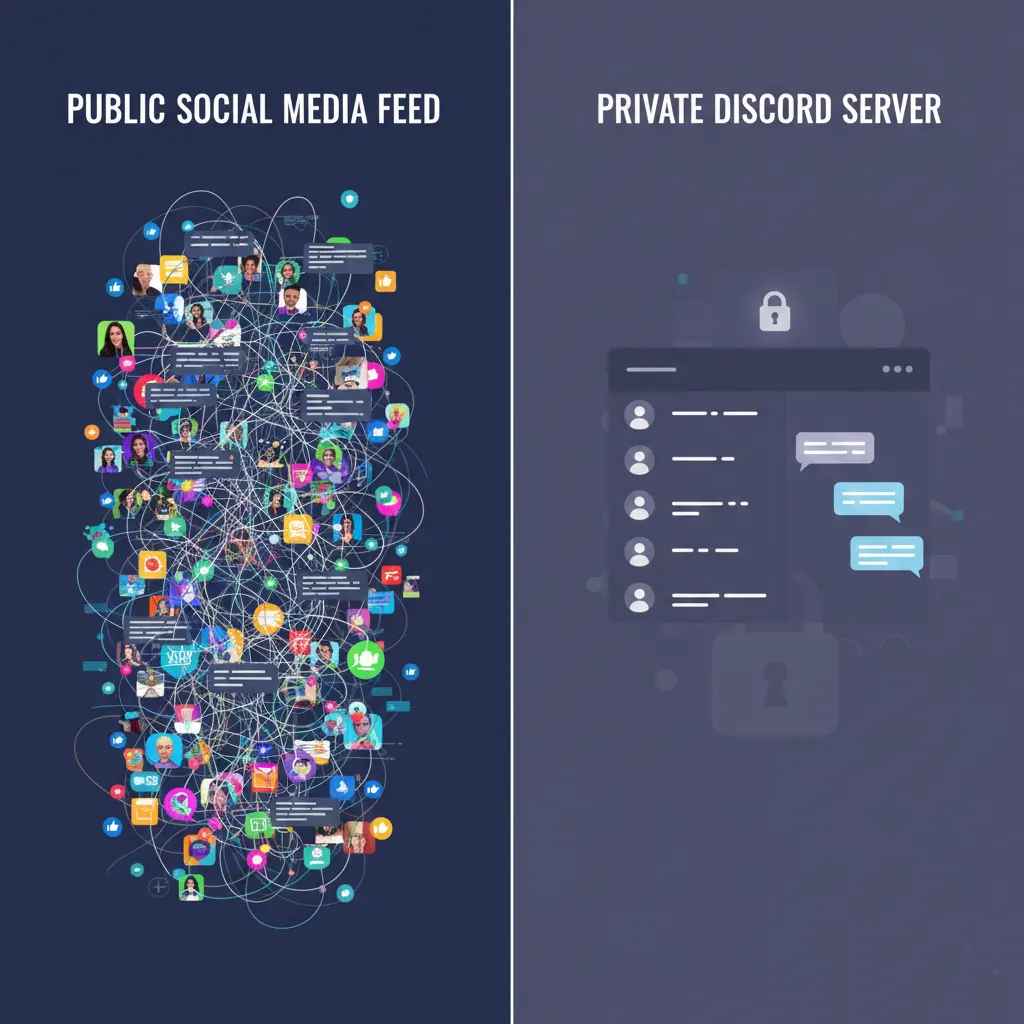
Public-first social media promised exposure and influence, but it also brought burnout. Algorithmic pressure, performative posting, and constant comparison have left many users disengaged.
According to social media analysts cited by Pew Research Center, younger users increasingly prioritize control, privacy, and meaningful interaction over follower counts and viral metrics.
Gen Z’s Push Toward Authentic Digital Spaces
Gen Z grew up online—and they’re acutely aware of how platforms monetize attention. Rather than broadcasting to millions, many now prefer smaller groups where conversation feels real and unfiltered.
Private servers, invite-only communities, and paid newsletters create a sense of belonging that public feeds struggle to replicate.
Why Discord Is Thriving
Originally built for gamers, Discord has evolved into a hub for niche communities—from study groups and fandoms to startups and local networks.
- Private servers and channels
- Real-time voice and text interaction
- Community-driven moderation
Unlike traditional social media, Discord emphasizes participation over performance, reducing the pressure to constantly create viral content.
Substack and the Return of Direct Connection
Platforms like Substack are fueling a parallel shift toward long-form, intentional engagement. Writers and creators build direct relationships with readers—often behind a paywall—free from algorithmic interference.
As noted by media analysts at Nieman Lab, this model restores trust and sustainability by aligning creator incentives with audience value rather than reach.

The Psychological Appeal of “Intimate Social”
Smaller platforms offer psychological relief. Without constant virality metrics, users experience less anxiety and more genuine interaction.
Mental health researchers have long warned—via outlets like The American Psychological Association—that comparison-heavy social environments can increase stress and disengagement, especially among younger users.
What This Means for the Future of Social Media
The rise of intimate social spaces doesn’t mean TikTok or other large platforms will disappear. Instead, social media is fragmenting—splitting between mass entertainment and meaningful connection.
Brands, creators, and platforms that fail to adapt to this shift may struggle to maintain trust and loyalty in the years ahead.
The move from TikTok to Discord and Substack reflects a broader cultural evolution: users want fewer audiences and deeper conversations. In an age of constant noise, intimacy has become the most valuable currency online.
As Gen Z continues to redefine digital culture, the future of social media may be smaller, quieter—and far more human.
#IntimateSocial #GenZTrends #SocialMediaShift #DiscordCommunities #SubstackCreators #DigitalCulture #AuthenticOnline #FutureOfSocial #CreatorEconomy