

 By Vinod Ram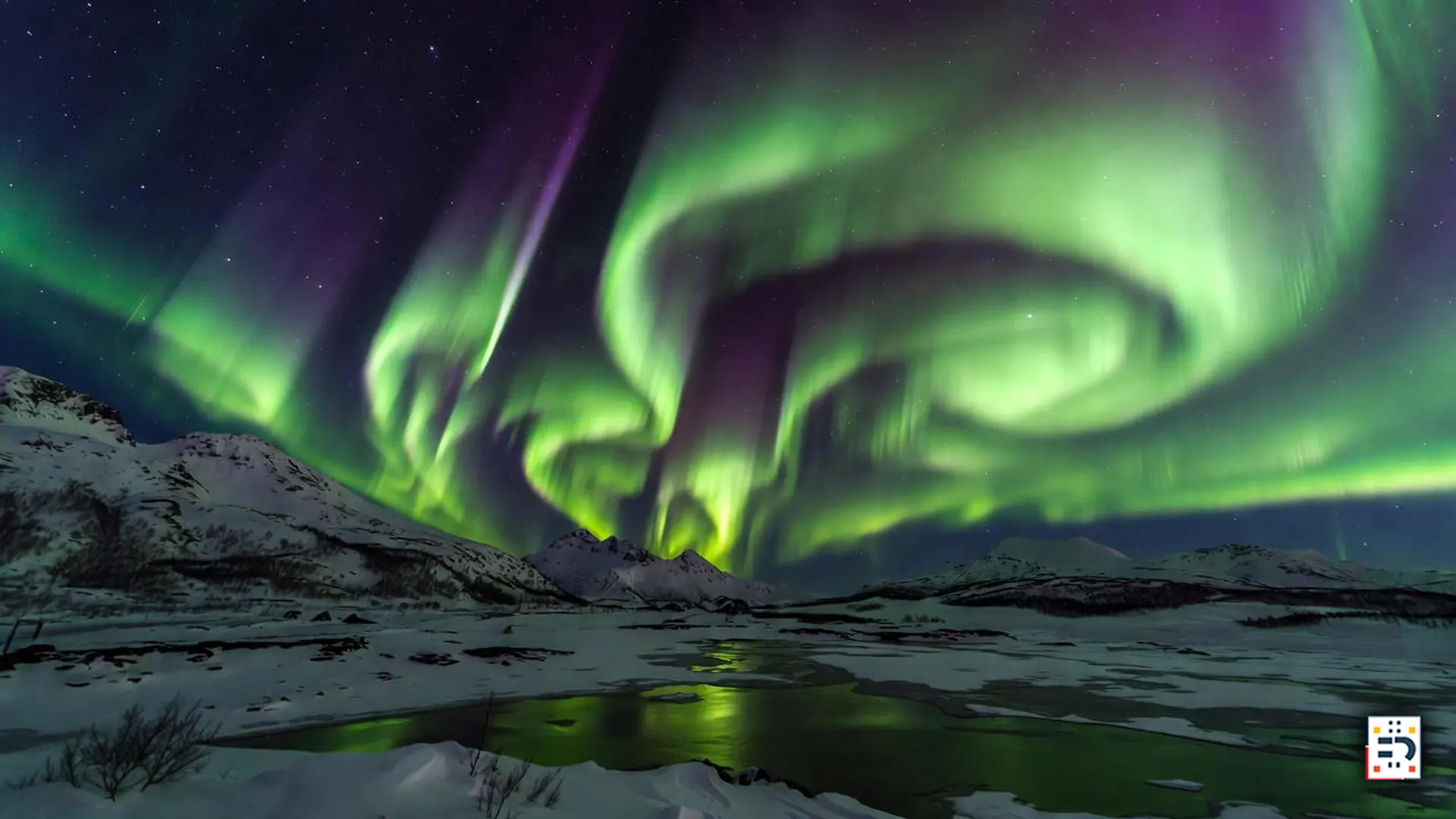
The Aurora Borealis, also known as the Northern Lights, is expected to put on an especially impressive show in 2025. Thanks to heightened solar activity, scientists and skywatchers alike are predicting more frequent and vivid auroral displays—making this one of the best years in recent memory to see the phenomenon.
If you’re planning a trip or simply hoping to catch the lights closer to home, here’s the latest aurora forecast for 2025, including the best dates and locations.
Why 2025 Is a Big Year for the Northern Lights
According to space weather experts at NOAA’s Space Weather Prediction Center, the sun is approaching the peak of its current solar cycle. During solar maximum, the sun releases more solar flares and coronal mass ejections—key drivers of aurora activity.
This increased solar activity means auroras are not only stronger, but also visible farther south than usual.
Best Dates to See the Aurora Borealis in 2025
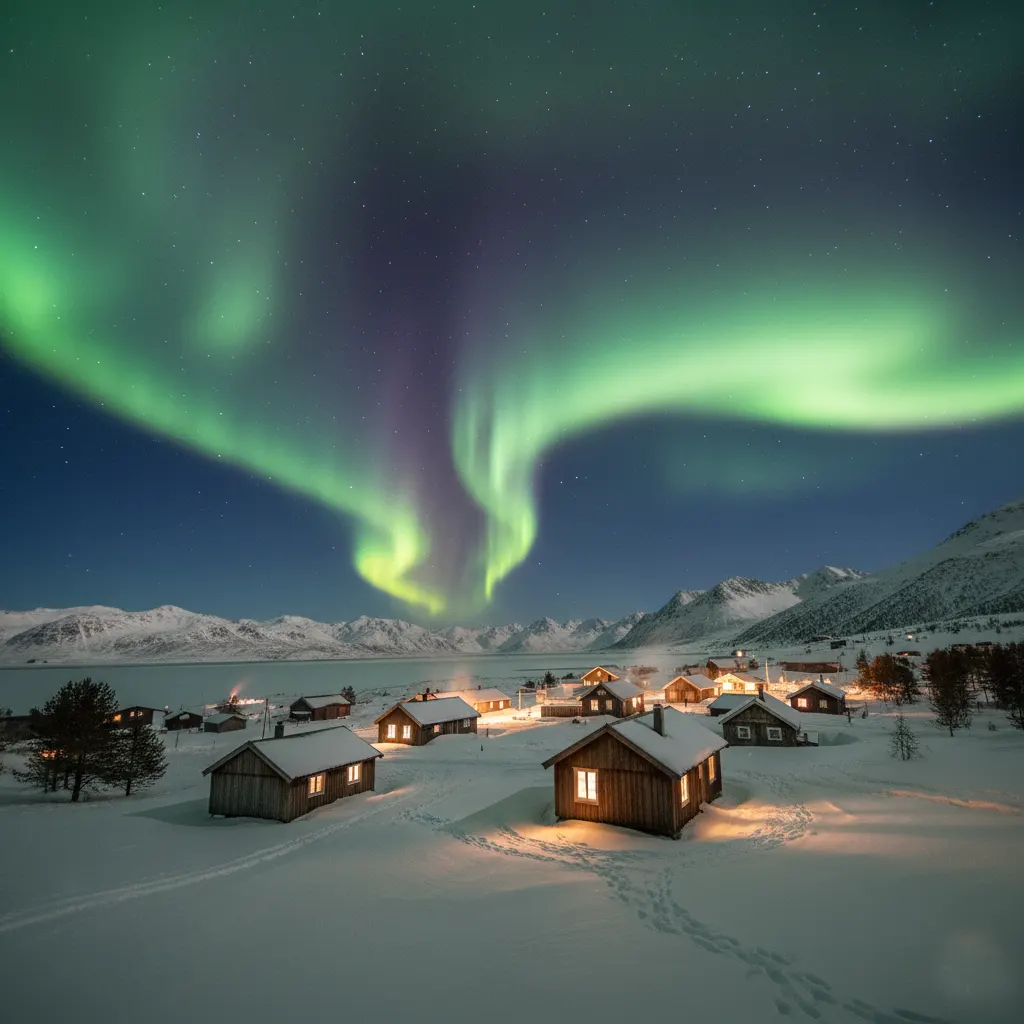
While auroras can occur year-round, certain periods offer better viewing conditions. Astronomers recommend planning around:
- Late January to March (long nights and cold, clear skies)
- September to October (aurora season with milder weather)
- New moon phases for darker skies
Solar storm forecasts published by SpaceWeatherLive suggest that periods of heightened geomagnetic activity could produce multi-night displays.
Best Places to See the Northern Lights in 2025
For the highest chances of success, travel destinations within or near the auroral oval are ideal.
Top Aurora Locations
- Iceland – Easy access, dramatic landscapes, frequent aurora visibility
- Northern Norway (Tromsø) – One of the most reliable aurora destinations
- Finland & Sweden – Aurora-viewing cabins and long polar nights
- Alaska (Fairbanks) – Excellent infrastructure and dark skies
- Northern Canada (Yukon, Northwest Territories)
Tourism boards and aurora guides cited by Visit Norway note that solar maximum years often produce stronger displays even during shorter viewing windows.
Can You See the Aurora Borealis From the U.S.?
Yes—during strong geomagnetic storms, the Northern Lights can sometimes be seen as far south as:
- Michigan and Wisconsin
- New York and New England
- Washington, Montana, and North Dakota
Real-time alerts from AuroraWatch help observers track visibility conditions.
Tips for Aurora Viewing Success
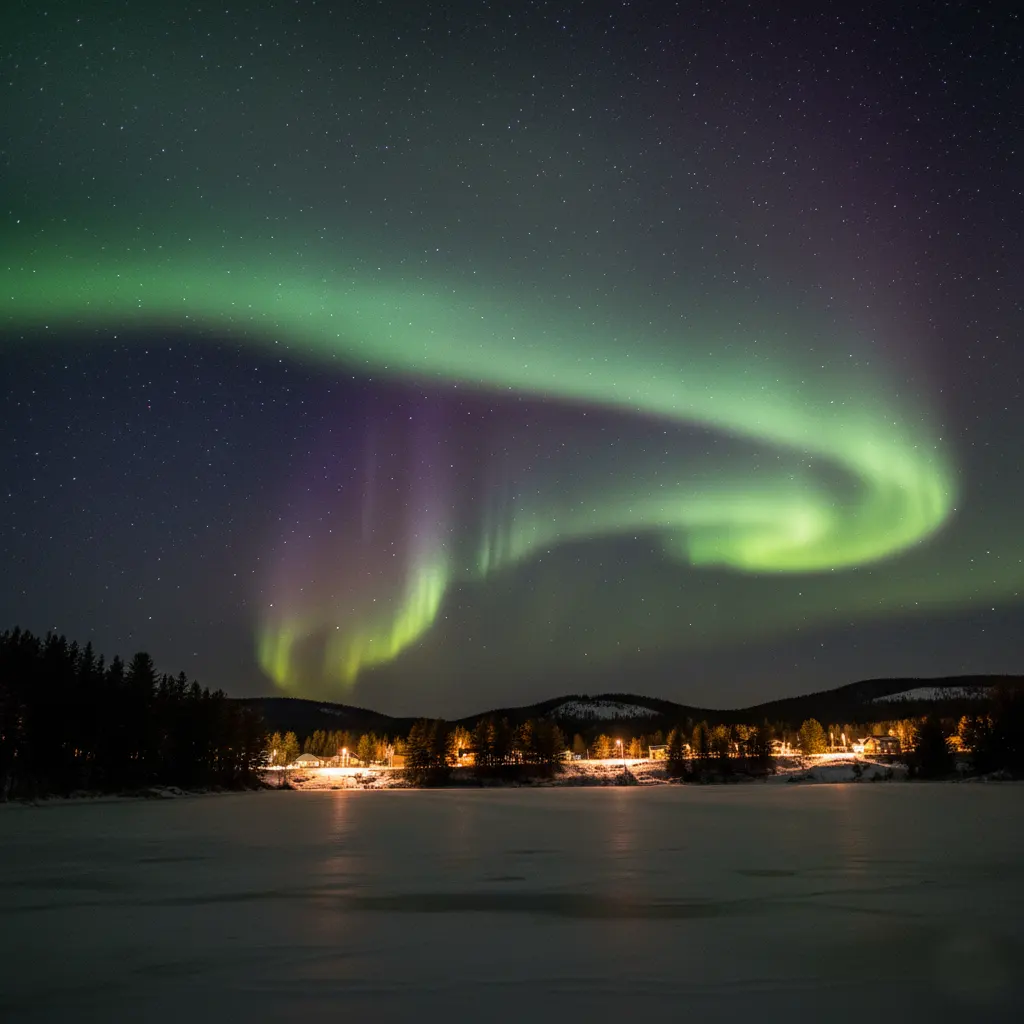
- Check space weather forecasts daily
- Avoid city lights and light pollution
- Be patient—auroras can appear suddenly
- Dress warmly and bring a tripod for photography
Experts from NASA’s Heliophysics Division recommend monitoring KP-index levels for the strongest viewing opportunities.
The aurora borealis forecast for 2025 points to an exceptional year for skywatchers and travelers alike. Whether you’re planning a bucket-list trip to the Arctic or hoping to catch a rare display closer to home, preparation and timing will be key.
With solar activity on the rise, 2025 may be your best chance in years to witness one of nature’s most breathtaking spectacles.
#AuroraBorealis #NorthernLights #Aurora2025 #TravelScience #SpaceWeather #BucketListTravel