

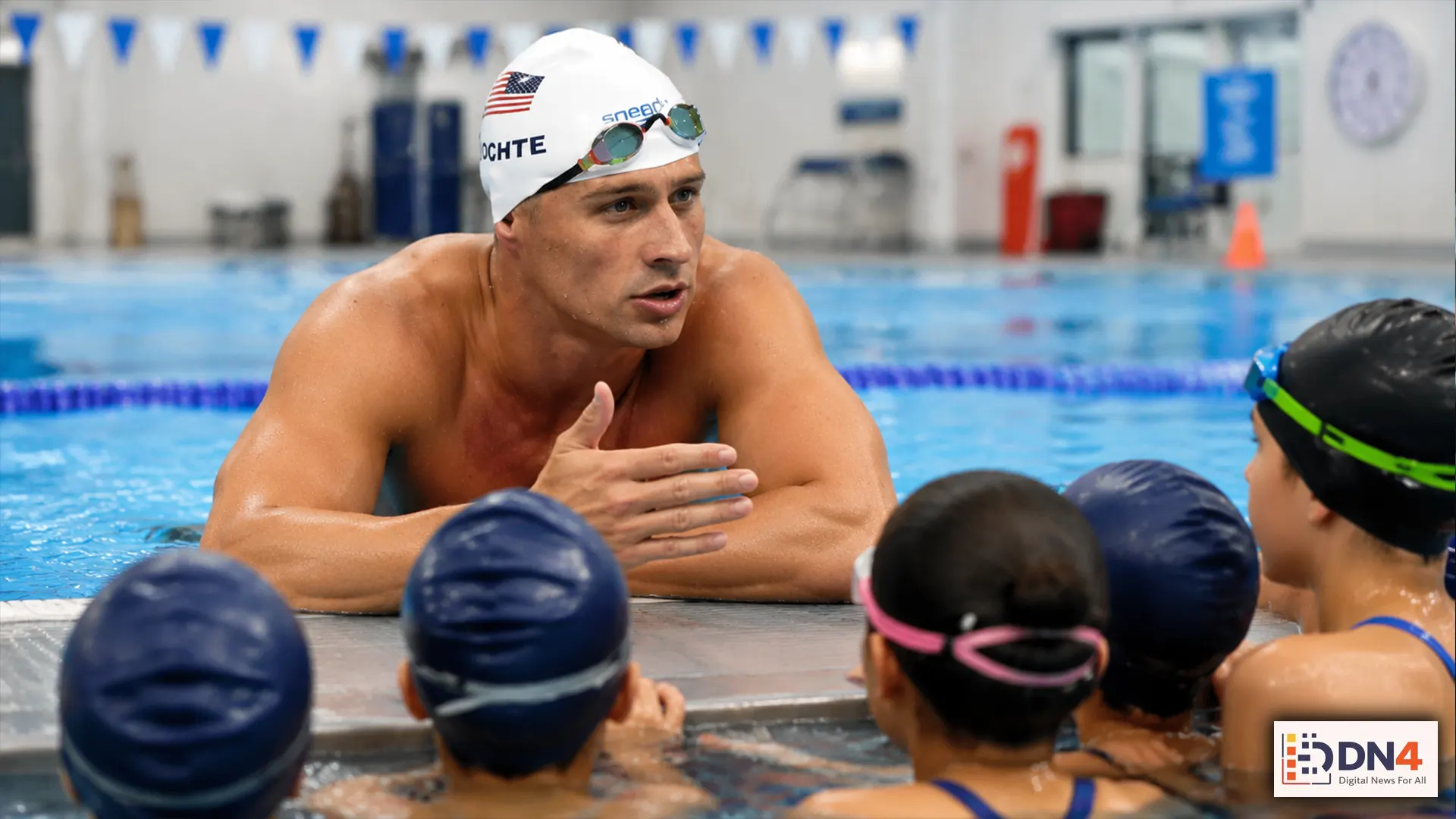
For years, Ryan Lochte represented Olympic excellence. With multiple gold medals, global sponsorships, and worldwide recognition, he became one of the most recognizable swimmers of his generation. But in 2026, it’s not an Olympic headline making people talk — it’s his reported coaching role earning roughly $34 an hour.
Surprisingly, the internet isn’t mocking the move. Instead, many people are calling it one of the most relatable athlete stories in years.
The Reality of Life After Professional Sports
Public perception often assumes elite athletes remain financially secure forever. In reality, many former professionals face difficult career transitions after retirement. Sponsorship deals fade, competition ends, and long-term financial stability becomes far less predictable.
Organizations like Olympics.com and athlete advocacy groups have increasingly discussed the mental and financial challenges athletes experience after leaving elite competition.
Ryan Lochte’s coaching position reflects a growing reality for retired athletes: eventually, life becomes less about fame and more about building sustainable purpose and income.

Why the Internet Finds This So Relatable
Part of the public reaction comes from how unexpectedly normal the story feels. In an era dominated by celebrity wealth headlines and influencer lifestyles, seeing a former Olympic icon working a practical coaching job humanizes professional athletes in a refreshing way.
Many social media users across platforms like Reddit and X praised Lochte for continuing to stay connected to the sport rather than chasing artificial celebrity relevance.
For younger audiences especially, the story resonates because it mirrors broader economic realities in 2026: career reinvention, side income, and adapting to changing financial circumstances.
Coaching as a New Kind of Legacy
Beyond the paycheck, coaching offers something many retired athletes search for: meaning. Elite sports often provide structure, identity, and purpose for decades. Transitioning away from competition can leave emotional gaps that traditional fame cannot fill.
By working directly with younger swimmers, Lochte remains connected to the environment that shaped his life. Coaching also allows former athletes to pass down technical knowledge and competitive experience that cannot easily be taught through textbooks or online tutorials.
Sports psychology experts featured on ESPN have frequently highlighted how mentorship roles can help retired athletes maintain emotional wellbeing after professional competition ends.

The End of the “Untouchable Athlete” Era
Modern audiences increasingly prefer authenticity over perfection. Fans no longer expect celebrities and athletes to appear permanently untouchable or disconnected from everyday realities.
Ryan Lochte’s story fits perfectly into this cultural shift. Rather than diminishing his legacy, the coaching role arguably makes him more relatable than ever before.
In many ways, the move reflects a broader transformation happening across sports culture: success is no longer defined only by fame or wealth, but also by adaptability, resilience, and staying connected to personal passion.
A Different Kind of Victory
Ryan Lochte may no longer be racing for Olympic medals, but his willingness to embrace a grounded, realistic post-competition life has earned respect from audiences in a completely different way.
Sometimes the most inspiring stories are not about staying on top forever — they’re about finding purpose after the spotlight fades.
#RyanLochte #Olympics #Swimming #SportsNews #AthleteLife #CareerTransition #OlympicSports #CoachingLife #SportsCulture