

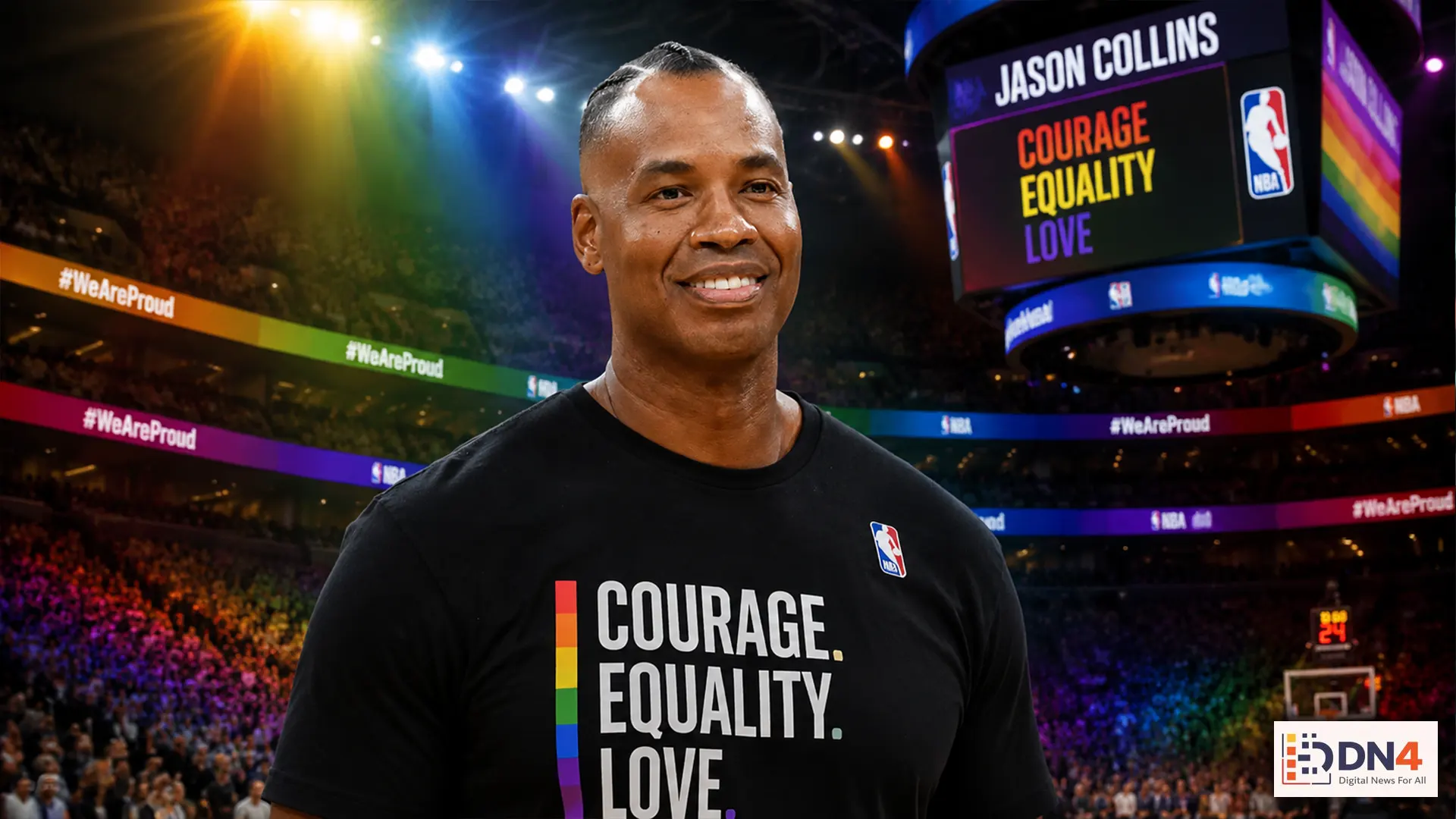
In professional sports, talent often defines legacy. But for Jason Collins, legacy became something much larger than basketball statistics. His decision to become the first openly gay active NBA player transformed him into one of the most important cultural figures in modern sports history.
More than a decade later, Collins’ courage continues to resonate far beyond basketball courts. In an era where conversations around identity, equality, and representation remain deeply relevant, his story still represents a defining moment in sports activism.
The Moment That Changed Sports Culture
In 2013, Jason Collins publicly came out while still an active NBA player — a groundbreaking decision at a time when few male athletes in major American professional sports had done the same.
The announcement generated global headlines and sparked conversations across media, locker rooms, and fan communities. Publications such as Sports Illustrated and organizations supporting LGBTQ+ advocacy recognized the significance of the moment not just for basketball, but for sports culture as a whole.
Collins’ decision challenged long-standing assumptions about masculinity, acceptance, and identity in professional athletics.
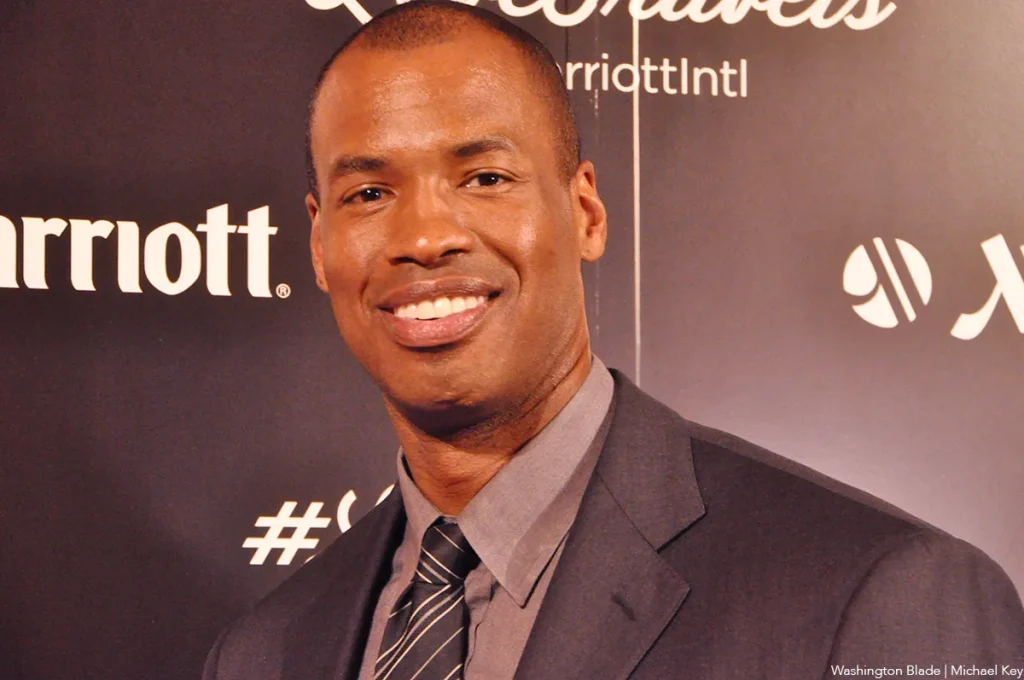
Why Representation Matters
One reason Jason Collins’ impact remains powerful is because representation changes perception. For many young athletes struggling with identity, visibility can create a sense of possibility and belonging.
Organizations like GLAAD have consistently highlighted the importance of public figures who help normalize conversations around equality and inclusion.
Before Collins, openly LGBTQ+ representation in men’s professional team sports was extremely limited. His willingness to step forward helped create space for future athletes to live more openly and authentically.
Activism Beyond Basketball
Although Jason Collins’ playing career eventually ended, his influence continued through activism, public speaking, and advocacy work focused on equality and inclusion.
His story became part of a broader cultural movement where athletes increasingly used their platforms to address social issues. From racial justice to mental health awareness and LGBTQ+ rights, modern athletes now play larger societal roles than ever before.
Coverage from outlets like ESPN frequently explores how athlete activism has reshaped public expectations around leadership and social responsibility.
The Cost of Being First
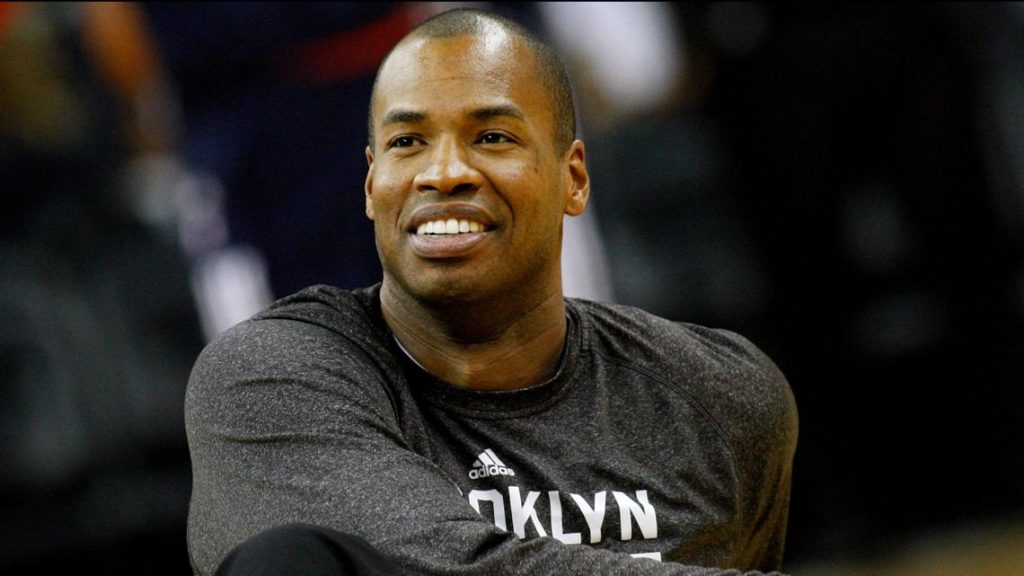
Being the first person to break barriers often comes with enormous pressure. Collins faced intense media scrutiny, public debate, and questions extending far beyond basketball performance.
Yet his calm, measured approach helped shift discussions away from controversy and toward empathy and understanding. Instead of presenting himself as a political symbol, Collins consistently framed his decision around honesty and authenticity.
That humanity is part of what made his impact so enduring.
A Legacy That Still Matters in 2026
Today, younger generations of athletes compete in a sports environment shaped partly by the courage of pioneers like Jason Collins. While challenges surrounding inclusion still exist, conversations around identity in sports have become significantly more open than they were before his announcement.
Modern leagues, teams, and athletes increasingly recognize that diversity and authenticity strengthen sports culture rather than weaken it.
Jason Collins may never have been the NBA’s biggest superstar, but history often remembers people not only for what they achieved professionally — but for what they made possible for others.
And in that sense, his legacy continues to grow.
#JasonCollins #NBAHistory #SportsActivism #LGBTQAthletes #EqualityInSports #BasketballCulture #InclusionMatters #SportsNews #AthleteActivism