

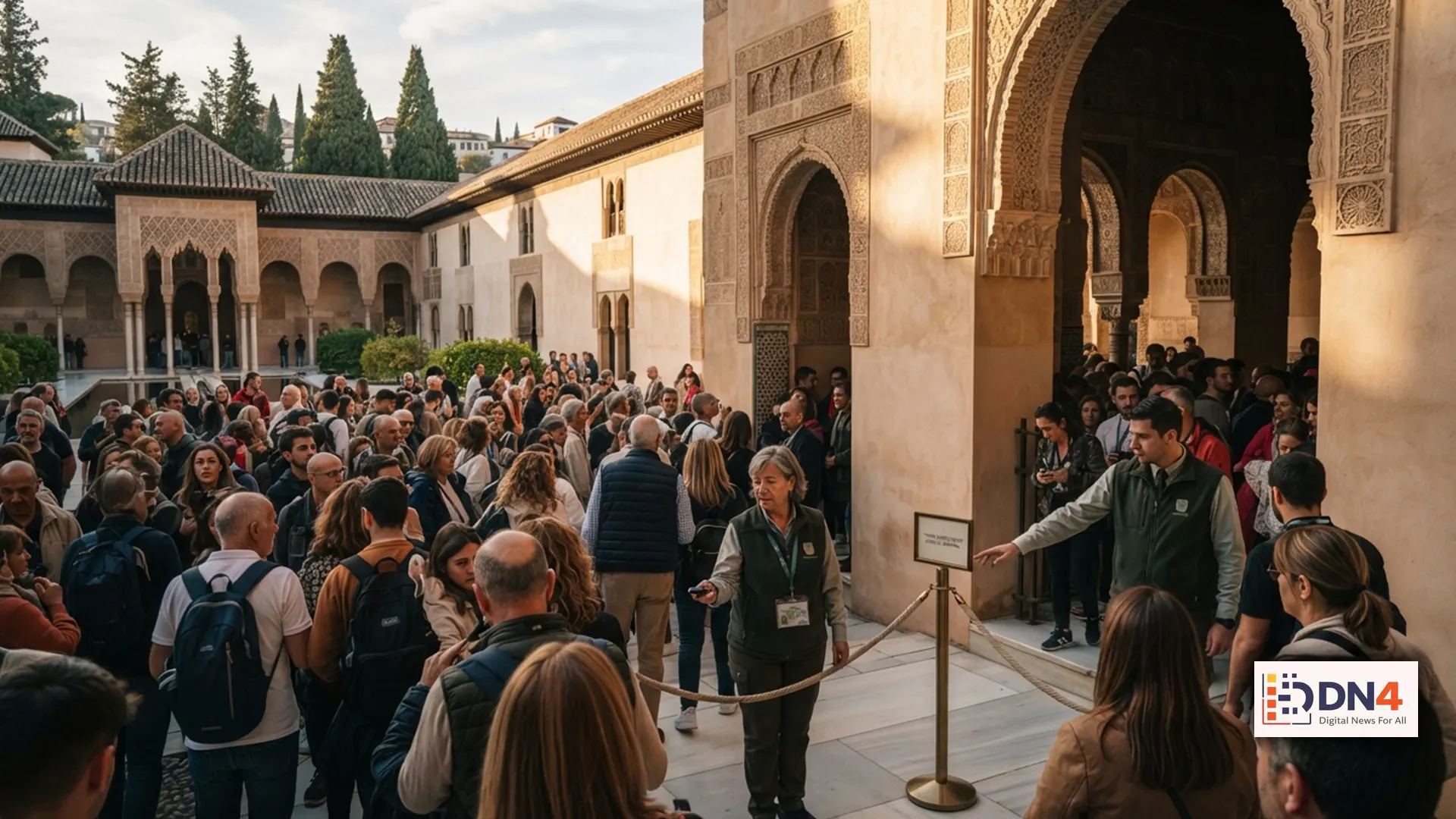
International tourism has become a powerful economic engine. But some of the world’s most famous destinations are discovering that popularity can come at a steep price. From historic city centers to ancient archaeological sites and fragile natural landscapes, authorities are increasingly introducing visitor limits, entrance fees, reservations and other controls to manage overtourism.
When Too Many Visitors Become a Problem
Overtourism occurs when visitor numbers place excessive pressure on a destination’s environment, infrastructure, cultural sites or local communities. The consequences can include overcrowding, waste, traffic, rising housing costs and physical damage to historic monuments.
The UNESCO sustainable tourism framework emphasizes the importance of balancing tourism with the protection of cultural and natural heritage. The challenge is particularly complicated at locations where tourism provides essential income for local businesses and residents.
Venice Takes a Different Approach
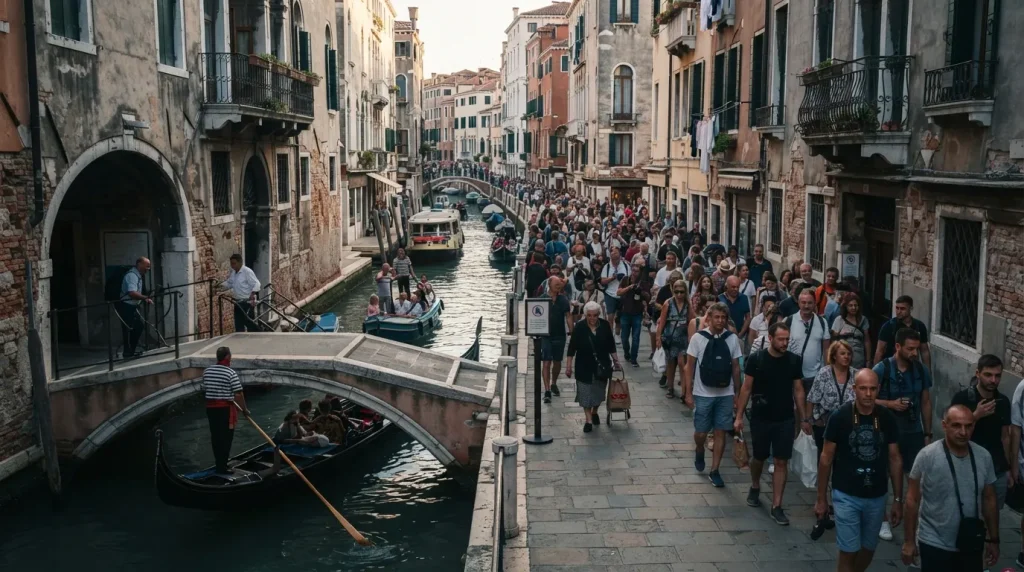
Venice has become one of the world’s most visible examples of tourism management. The Italian city introduced an access fee for certain day visitors during peak periods. The goal is to manage excessive tourist flows through its historic center.
According to the City of Venice, the system is designed to regulate tourist pressure rather than simply prevent people from visiting. The policy reflects a broader debate over whether iconic destinations should prioritize unlimited access or the long-term preservation of their historic character.
Machu Picchu Faces Capacity Pressures
Peru’s Machu Picchu illustrates another challenge: protecting an internationally significant archaeological site while supporting a tourism-dependent regional economy.
The Peruvian Ministry of Culture manages visitor regulations for the archaeological sanctuary, including designated circuits, schedules and capacity controls. Such measures are intended to reduce pressure on the ancient Inca site and improve the management of visitor movement.
Nature Destinations Are Also Under Pressure
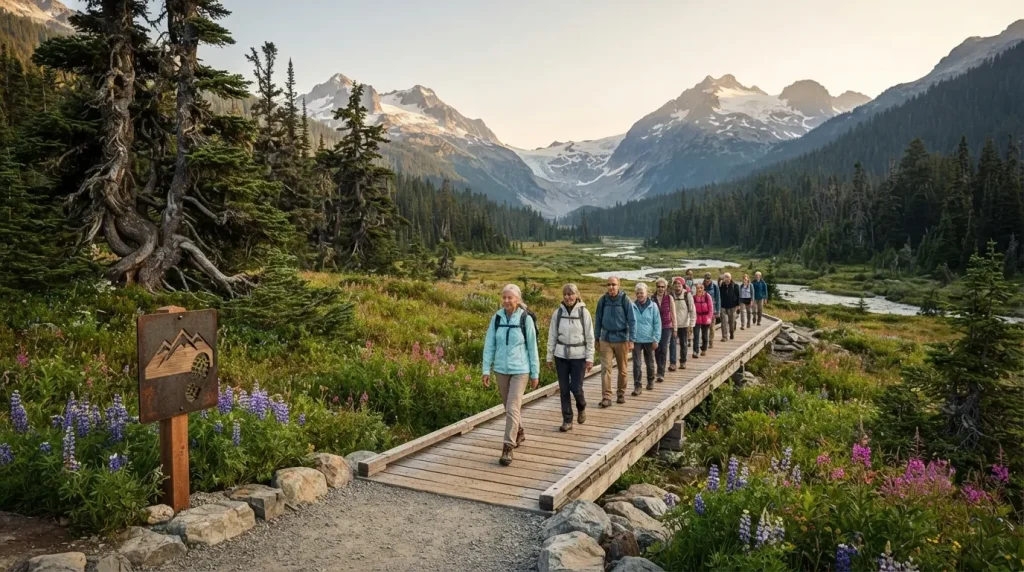
Overtourism is not limited to historic cities. National parks, beaches, islands and mountain ecosystems can suffer when visitor numbers exceed local infrastructure and environmental capacity.
The United Nations Environment Programme notes that tourism can generate environmental pressures involving water consumption, waste, energy use, biodiversity and greenhouse-gas emissions. Sustainable tourism therefore requires destinations to consider not only visitor numbers but also how tourists travel, consume resources and interact with local environments.
Why Tourism Caps Are Becoming More Common
Visitor restrictions can take many forms. Destinations may require advance reservations, establish daily quotas, introduce timed entry, charge higher fees during peak periods or restrict access to particularly sensitive locations.
These policies also reflect a growing recognition that more tourists do not automatically mean more sustainable tourism. A smaller number of visitors who stay longer and spend more locally can sometimes generate greater economic value with less pressure on infrastructure and heritage.
The Challenge: Protecting Places Without Killing Tourism
The biggest question is how far restrictions should go. Excessively tight controls could hurt restaurants, hotels, guides, retailers and other businesses that depend on visitors. Meanwhile, doing nothing could gradually undermine the very attractions that bring tourists to a destination.
The UN Tourism sustainable-development principles support an approach that seeks to balance economic benefits with environmental protection and the interests of host communities.
The future of global travel may therefore depend less on attracting the maximum possible number of visitors and more on managing tourism intelligently. For travelers, that increasingly means planning ahead, visiting during less crowded periods, respecting local rules and recognizing that preserving a destination is part of experiencing it responsibly.
#Overtourism #SustainableTourism #HeritagePreservation #Travel #ResponsibleTravel #Tourism #CulturalHeritage #TravelNews #Venice #MachuPicchu #TravelTrends #TouristLimits