

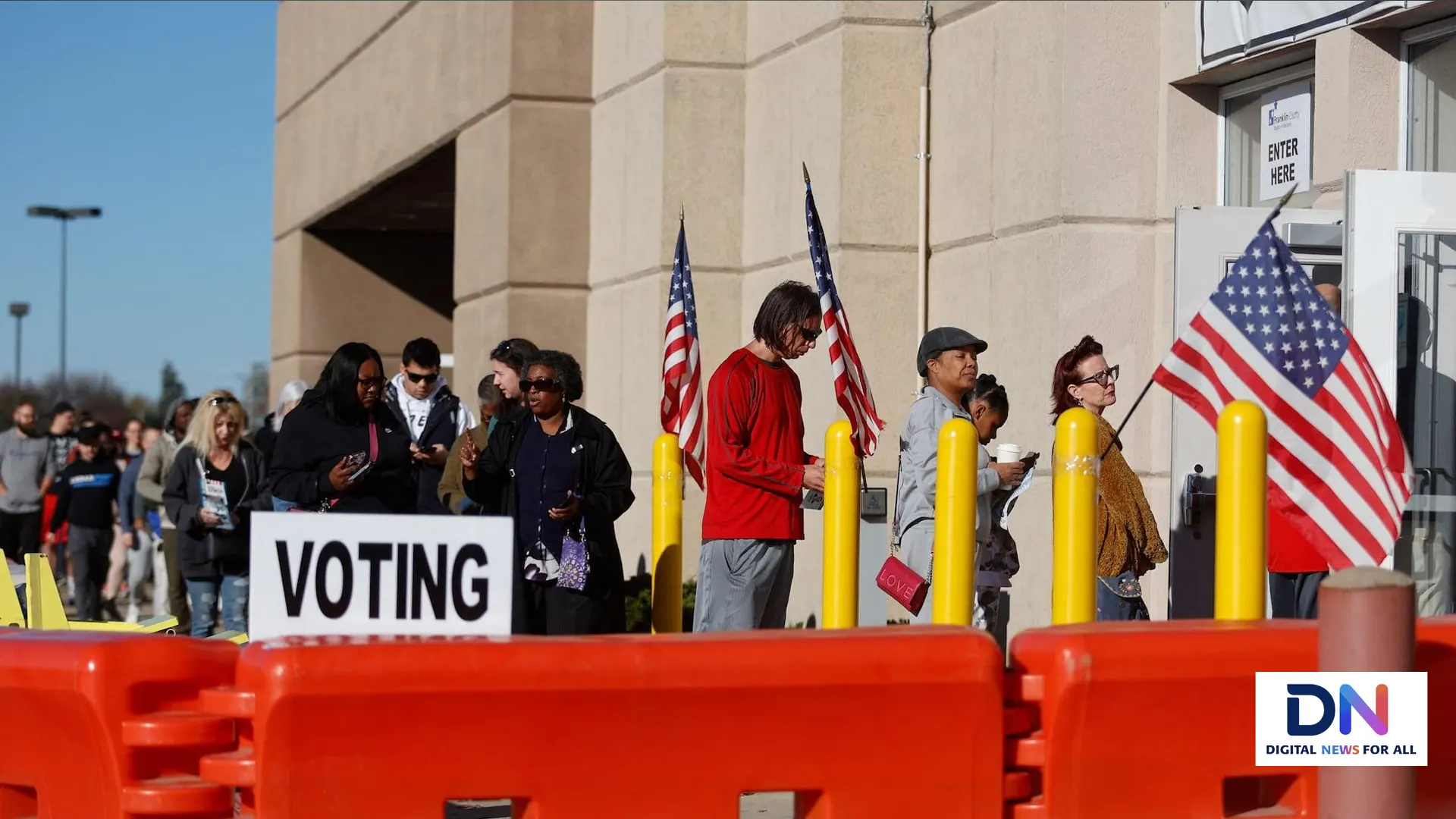
GOP turnout is becoming a critical question ahead of the November 3, 2026, midterm elections. Rising household expenses, concerns about healthcare costs, and frustration over the economy could test Republican enthusiasm in closely contested districts. However, dissatisfaction does not automatically mean voters will abandon their party or stay home.
Economic Pressure Puts Republican Enthusiasm to the Test
The economy is a defining issue for voters this election cycle. A Pew Research Center survey found that 84% of registered voters considered the economy very important to their midterm vote. That included 82% of voters supporting Republican congressional candidates.
For households, economic pressure often feels personal. Grocery bills, gasoline, housing payments, and medical expenses can shape how voters judge elected officials. Even voters who support a party’s broader agenda may question whether its policies are improving their daily lives.
A KFF and Associated Press survey found that cost-of-living concerns were growing among rural voters. It also identified a possible enthusiasm gap: fewer rural Republican voters said they were absolutely certain to vote than rural Democrats surveyed.

Why Swing States Matter So Much
Competitive congressional districts can determine which party controls the House. In these races, a relatively small change in turnout can matter more than a dramatic shift in national opinion. Campaigns therefore need to persuade undecided voters while ensuring supporters actually cast ballots.
Recent Reuters reporting from swing districts illustrates the complicated picture. Voters voiced concerns about high prices, yet many previous Republican supporters said they still intended to back their incumbents. Economic frustration can create political vulnerability without immediately breaking party loyalty.
Turnout Is Not the Same as a Party Switch
Republican candidates may face several distinct risks: supporters could vote for an opponent, leave a race blank, or simply not turn out. These outcomes have different causes and require different evidence. Campaign rallies and online criticism alone cannot establish whether the party’s base is shrinking at the ballot box.
Election officials and analysts will track participation through state election offices and official results. The U.S. Election Assistance Commission provides election-administration resources, while the Federal Election Commission publishes federal campaign-finance information that can help readers understand the political landscape.

What to Watch Before Election Day
Voters should look for reliable polling on likely-voter participation, district-level reporting, and clear evidence about household costs. The Bureau of Labor Statistics’ Consumer Price Index offers official inflation data, helping separate measured price changes from campaign rhetoric.
The bottom line is not that a Republican turnout collapse is certain. Instead, economic strain presents a test of political loyalty and motivation. If dissatisfied voters remain loyal and turn out, Republicans could outperform gloomy forecasts. If enthusiasm fades in competitive districts, even modest turnout changes could reshape the balance of power in Washington.
#MidtermElections2026 #SwingStates #GOPTurnout #USPolitics #CostOfLiving #Inflation #VoterTurnout #ElectionNews