

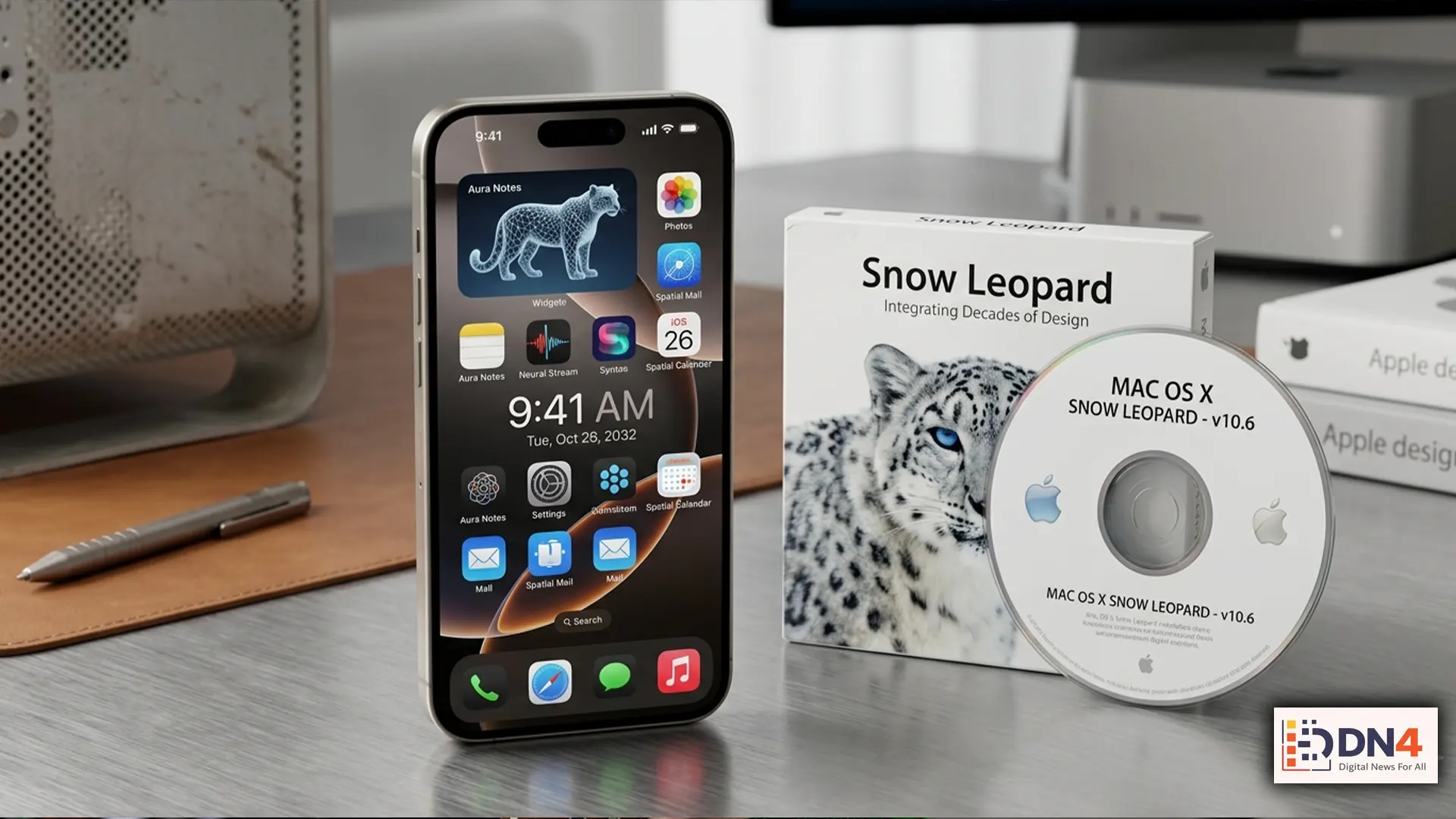
When Apple released Mac OS X Snow Leopard in 2009, it became legendary among technology enthusiasts—not because it introduced flashy new features, but because it focused on something equally important: making everything work better. Nearly two decades later, many analysts and longtime Apple users believe iOS 27 may represent a similar moment for the iPhone ecosystem.
While recent iOS releases have emphasized major visual redesigns, artificial intelligence integration, and expanding ecosystem capabilities, iOS 27 appears to prioritize refinement, stability, and performance optimization. For users who have spent years requesting a “quality-of-life” update, that approach feels remarkably familiar.
What Made Snow Leopard Special?
Snow Leopard is often remembered as one of Apple’s most beloved software releases because it focused heavily on speed improvements, bug fixes, efficiency gains, and overall system reliability. Instead of reinventing the operating system, Apple refined the foundation.

Technology historians and longtime Apple observers frequently point to Snow Leopard as proof that users appreciate polish just as much as innovation. Publications such as Macworld and Apple have repeatedly highlighted the release as a benchmark for software optimization.
How iOS 27 Follows the Same Philosophy
Following the introduction of Apple’s ambitious Liquid Glass design language and the rollout of Apple Intelligence features, iOS 27 arrives at a time when users are increasingly prioritizing reliability and performance over dramatic interface changes.
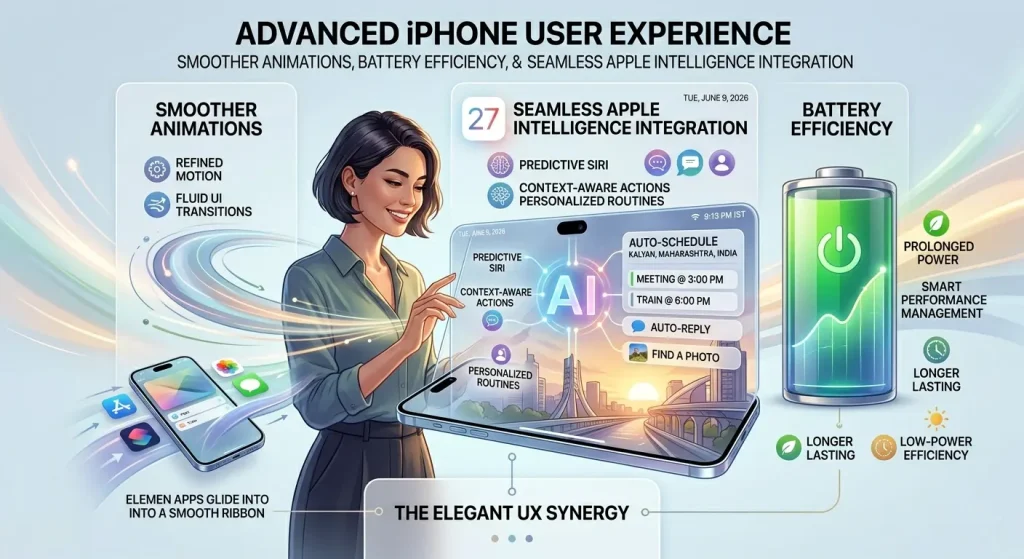
Reports from MacRumors, 9to5Mac, and The Verge suggest that Apple has devoted significant resources toward improving system responsiveness, reducing software bugs, enhancing battery management, and streamlining AI-powered experiences.
Rather than introducing an overwhelming number of headline-grabbing features, Apple appears focused on making existing capabilities faster, smarter, and more dependable.
Performance Over Flash
One of the biggest criticisms of modern software development is that new features sometimes arrive at the expense of stability. Users often report frustrations involving battery drain, app crashes, interface glitches, and inconsistent performance following major operating system upgrades.
iOS 27 aims to address many of those concerns through behind-the-scenes improvements that may not generate flashy keynote moments but can dramatically improve everyday usability.
Industry analysts covering Apple’s software strategy through outlets such as Tom’s Guide and ZDNET note that users increasingly value smooth performance and long-term reliability over experimental features.
The Apple Intelligence Factor
Another reason iOS 27 resembles Snow Leopard is its role in strengthening a broader technological transition. Just as Snow Leopard helped prepare Macs for future innovations, iOS 27 appears designed to optimize the infrastructure supporting Apple Intelligence.
AI-powered tools require significant processing resources, efficient memory management, and seamless integration across devices. By refining the underlying operating system, Apple can better position future AI advancements without sacrificing performance.
A Welcome Shift for Users
The excitement surrounding iOS 27 isn’t necessarily about revolutionary features—it’s about confidence. Users want their devices to feel faster, more stable, and more dependable, especially as smartphones become increasingly central to daily life.
If Apple succeeds in delivering a smoother and more polished experience, iOS 27 could earn a reputation similar to Snow Leopard: not the most dramatic update, but one of the most appreciated. In an era dominated by rapid innovation, refinement may be exactly what users have been waiting for.
#iOS27 #Apple #SnowLeopard #WWDC2026 #AppleIntelligence #iPhone #TechNews #SoftwareUpdate #AppleEcosystem