

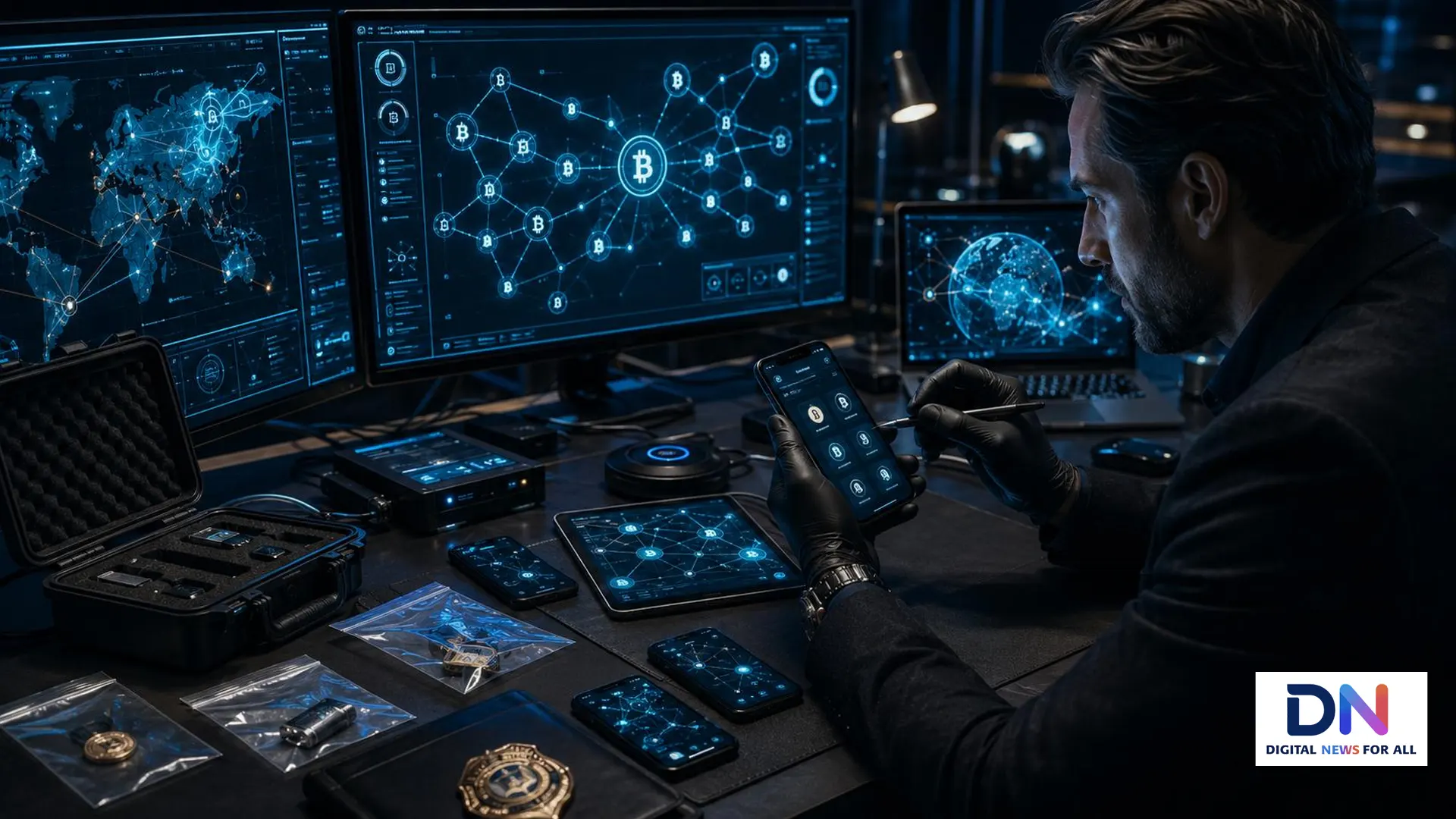
A massive cryptocurrency theft has triggered fresh concerns about digital asset security worldwide. On October 29, 2026, attackers stole approximately $6.3 billion from cryptocurrency exchange Binance. The FBI subsequently attributed the attack to North Korea-linked cybercriminals known as TraderTraitor. The incident raises an urgent question for investors: how strong is your crypto wallet security when sophisticated state-linked hackers target digital financial infrastructure?
Inside the $6.3 Billion Cryptocurrency Heist
According to blockchain analytics firm Chainalysis, unauthorized transfers began across multiple Binance wallets on October 29. The attack reportedly involved compromised systems and unauthorized transactions that moved funds across several blockchains.
The FBI identified TraderTraitor as responsible for the incident. The group has also been associated with the Lazarus Group, which US authorities have linked to previous cryptocurrency thefts.
North Korea has denied involvement in the latest attack. Binance has stated that it obtained sufficient assets to cover affected customer funds, while investigators and industry partners continue to track the stolen cryptocurrency.
Read the FBI’s official cybercrime alert and Chainalysis’s investigation for more details.
Why State-Linked Hackers Target Cryptocurrency
Cryptocurrency networks offer global transfers that can move quickly across borders. Attackers may exploit weak security controls, compromised credentials, malicious software, and vulnerabilities in exchange infrastructure.
US officials have repeatedly warned that North Korean cyber operations generate substantial revenue through cryptocurrency theft. A January 2026 assessment cited more than $2 billion in suspected cryptocurrency theft during 2025.
Authorities say these activities help finance the North Korean government. The US-Japan-South Korea joint statement describes persistent cyber threats targeting exchanges, custodians, and individual users.

Exchange Wallets Versus Personal Wallets
Many investors leave cryptocurrency on exchanges because trading and account access are convenient. However, exchange-held assets depend on the platform’s security systems, operational controls, and recovery policies.
Self-custody wallets give users direct control over their assets through private keys or recovery phrases. That control also brings responsibility. Losing a recovery phrase, approving a malicious transaction, or installing compromised wallet software can result in irreversible losses.
Cold wallets store private keys offline and can reduce exposure to certain online attacks. However, they are not immune to phishing, physical theft, or user mistakes.
Consumers can review CISA’s cybersecurity guidance and the FBI Internet Crime Complaint Center for security and fraud reporting resources.
Five Steps to Strengthen Your Crypto Wallet Security
- Use a hardware wallet: Consider offline private-key storage for long-term holdings.
- Enable strong authentication: Use an authenticator app or security key rather than SMS when available.
- Protect recovery phrases: Keep backups offline and never share them with anyone.
- Verify transactions: Check wallet addresses, networks, and permissions before signing.
- Beware of phishing: Avoid suspicious links, fake support accounts, and unexpected software downloads.
For more practical guidance, consult the Federal Trade Commission’s cryptocurrency scam information.
Can Blockchain Tracking Recover Stolen Funds?
Blockchain transactions are generally visible on public ledgers, allowing investigators to track suspicious transfers. Exchanges and stablecoin issuers may sometimes freeze assets within their control.
However, tracing stolen cryptocurrency does not guarantee recovery. Funds converted into other assets or moved through multiple services can become harder to retrieve. Bitcoin and Ether generally cannot be frozen by a central issuer.
Convenience Must Not Replace Security
The latest cryptocurrency heist demonstrates that digital assets remain attractive targets for highly organized cybercriminals. Investors cannot eliminate every risk, but strong authentication, careful transaction verification, secure backups, and informed wallet choices can reduce exposure. As cryptocurrency adoption expands, security must become a fundamental part of managing digital wealth.
#CryptoHeist #NorthKorea #CryptoSecurity #Bitcoin #Binance #Blockchain #Cybersecurity #DigitalWallet #CryptoNews