

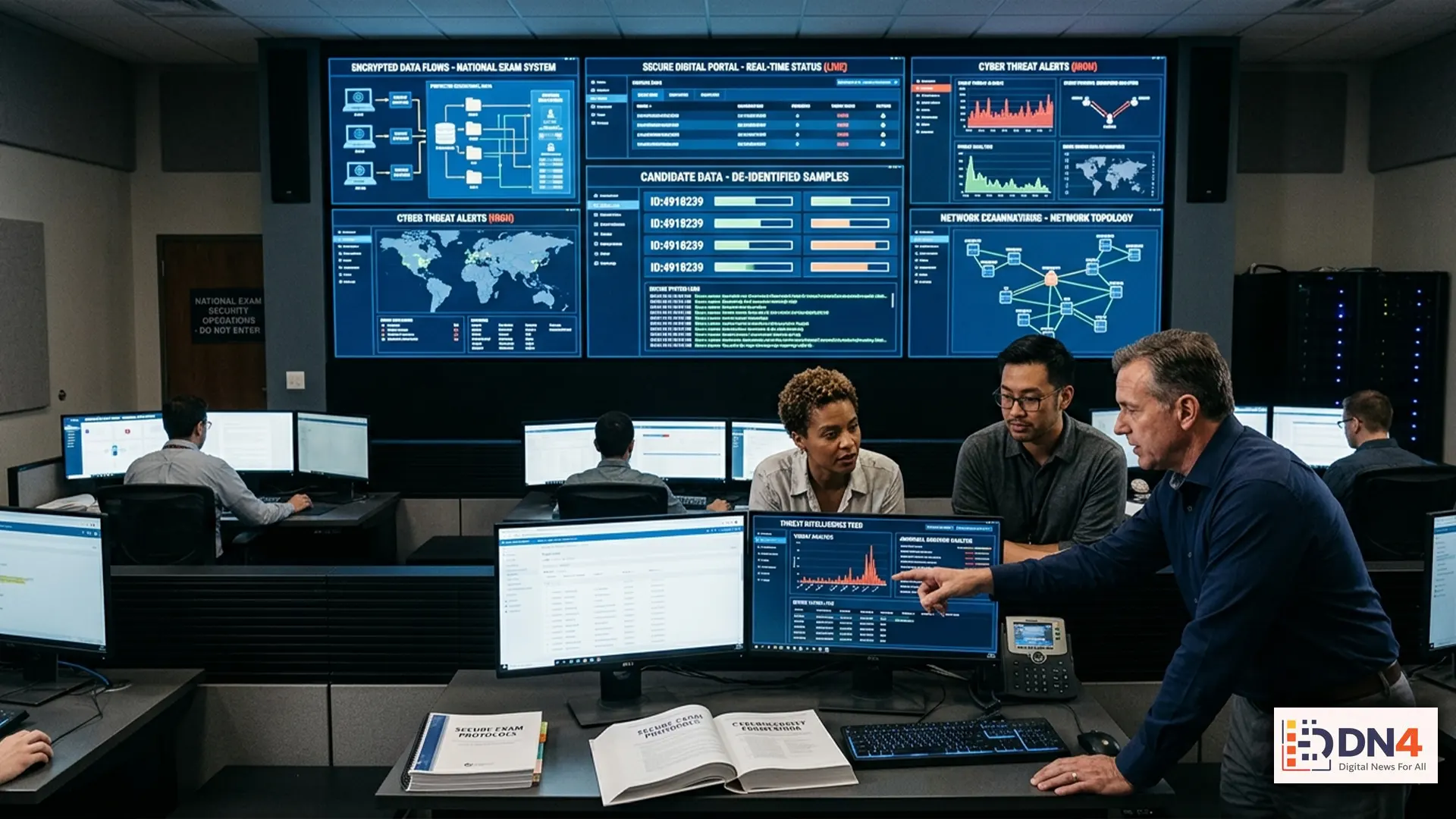
The integrity of high-stakes examinations remains a critical concern for educational institutions worldwide. Recent discussions surrounding the security of the JEE (Advanced) examination have highlighted how proactive monitoring, cybersecurity expertise, and rapid intervention can help prevent potentially damaging leaks before they affect thousands of candidates.
As one of India’s most competitive entrance examinations, JEE (Advanced) serves as the gateway to the prestigious Indian Institutes of Technology (IITs). Maintaining the confidentiality of examination materials is therefore essential for preserving fairness and public trust.
Why Exam Security Matters More Than Ever
Modern examinations rely on a combination of digital infrastructure, secure printing systems, transportation controls, and administrative safeguards. Organizations responsible for national assessments increasingly invest in advanced security frameworks to reduce the risk of unauthorized access.
Educational security practices often follow guidance published by organizations such as the National Institute of Standards and Technology (NIST) and recommendations from the Information Systems Audit and Control Association (ISACA).
Any compromise involving examination content can have serious consequences, including invalidation of results, loss of public confidence, and disruption for students who have spent years preparing.
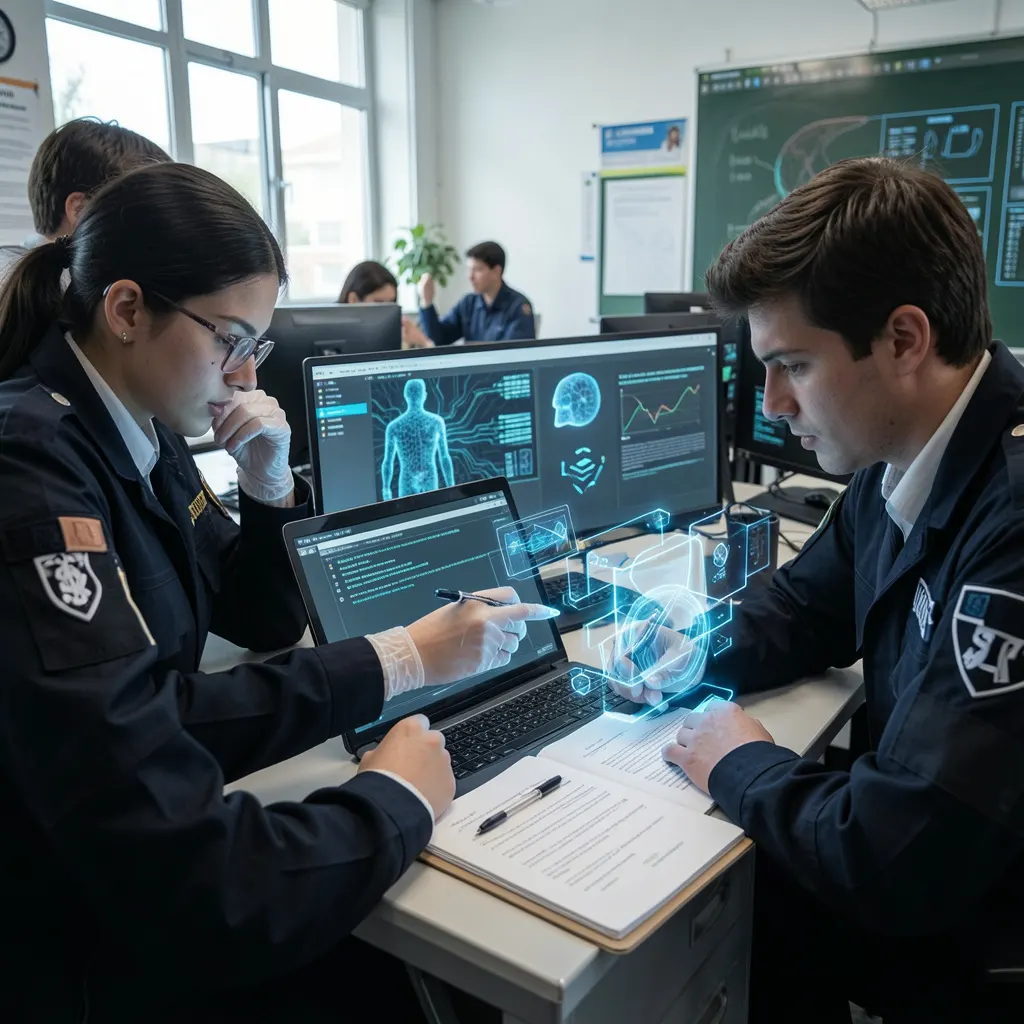
How Expert Intervention Can Stop Leaks
Security incidents rarely begin with a major breach. Instead, experts often identify unusual activity through monitoring systems designed to detect anomalies and suspicious behavior.
Cybersecurity professionals frequently use techniques recommended by organizations such as SANS Institute and CISA to identify potential threats before sensitive information is exposed.
In examination environments, early warning indicators may include:
- Unauthorized access attempts
- Suspicious network activity
- Unexpected file transfers
- Credential misuse
- Irregular administrative actions
- Attempts to bypass security protocols
The Role of Technology in Protecting Exam Integrity
Advanced security controls now play an increasingly important role in educational testing environments. Secure access management, encryption, audit logging, and real-time monitoring help reduce vulnerabilities.
Best practices promoted by Microsoft Security, Google Cloud Security, and IBM Security emphasize continuous monitoring and rapid incident response as essential components of modern cybersecurity strategies.
Educational institutions are adopting similar approaches to protect examination materials and candidate information.
Why Prevention Is Better Than Investigation
Once confidential examination content becomes public, damage can spread quickly through social media, messaging platforms, and online communities. Preventing leaks before they occur is therefore far more effective than responding after exposure.
Research and guidance from the OWASP Foundation highlight the importance of proactive risk management and layered security controls to minimize exposure opportunities.
Expert intervention often focuses on identifying weaknesses before malicious actors can exploit them.

Building Trust in Competitive Examinations
Students invest significant time, effort, and resources preparing for competitive examinations. Security measures are not simply technical requirements—they help ensure that every candidate competes on equal terms.
Organizations such as the UNESCO and educational assessment bodies worldwide continue to emphasize fairness, transparency, and integrity as key principles in academic evaluation systems.
Strong security practices reinforce confidence among students, parents, educators, and institutions.
Looking Ahead
The JEE (Advanced) security recap demonstrates the growing importance of cybersecurity expertise in modern education. Whether protecting examination content, student records, or digital testing platforms, proactive intervention remains one of the most effective ways to prevent large-scale incidents.
As examination systems continue to evolve, collaboration between educational authorities and security professionals will remain essential for preserving fairness and trust. The successful prevention of potential threats serves as a reminder that strong security is often most effective when problems are stopped before they become public crises.
#JEEAdvanced #ExamSecurity #CyberSecurity #EducationNews #IITAdmissions #CompetitiveExams #DigitalSecurity #StudentNews #EducationTechnology