

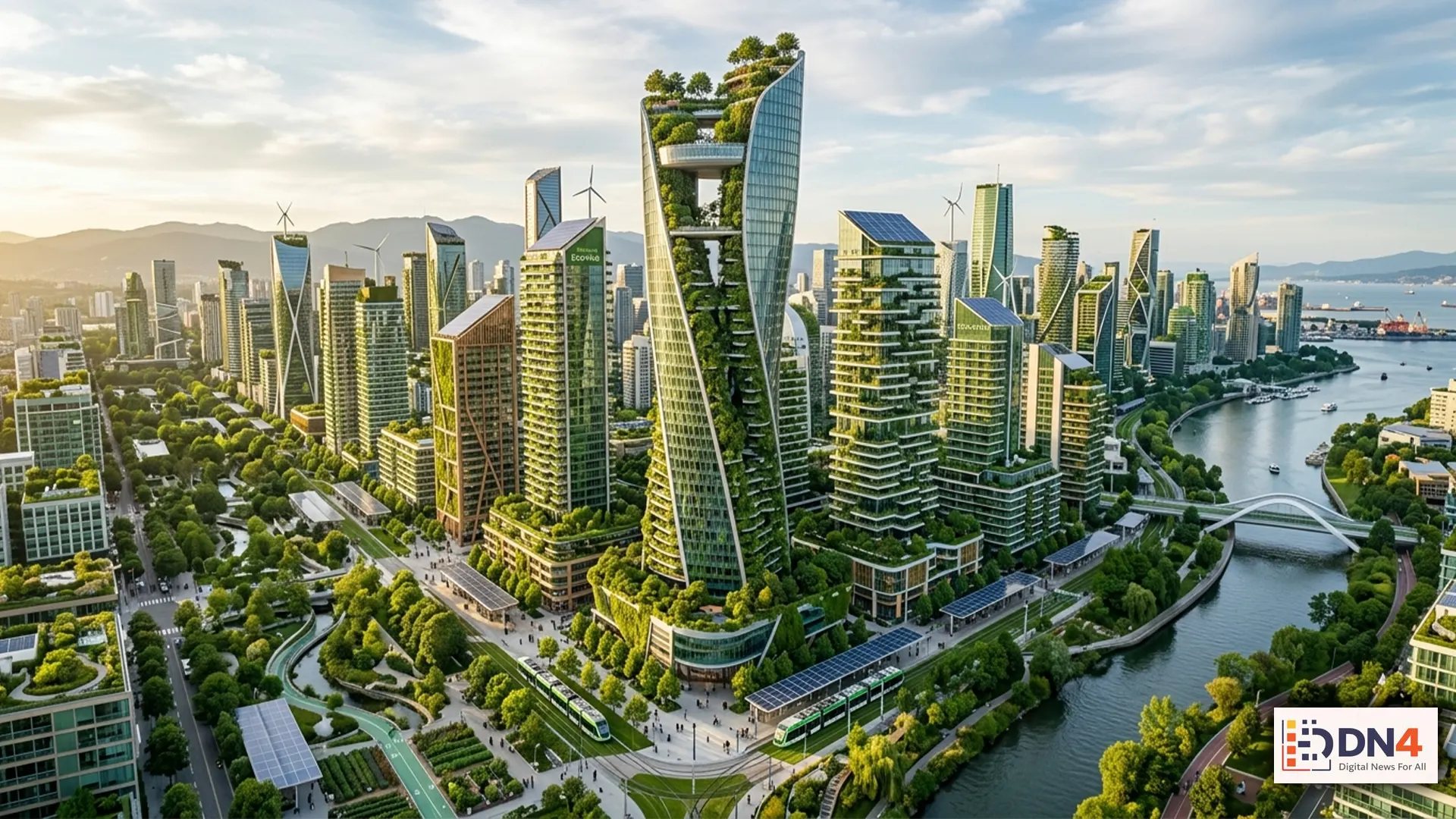
For decades, cities competed to build the tallest skyscrapers. Height symbolized economic strength, engineering excellence, and urban ambition. In 2026, however, a new trend is reshaping the architecture industry. Designers now focus less on height and more on sustainability.
Across the globe, architects, developers, and city planners are embracing environmentally responsible designs. Instead of asking how tall a building can become, many now ask how efficiently it can operate.
A New Definition of Architectural Success
The world’s tallest towers still attract attention. However, many industry leaders now measure success through energy efficiency, carbon reduction, and long-term environmental performance.
Organizations such as Architecture 2030 continue promoting strategies that reduce building-related emissions. Their research highlights the significant role buildings play in global energy consumption.
As climate concerns grow, sustainable performance has become a major benchmark for modern construction projects.
The Push Toward Net-Zero Buildings
Net-zero buildings generate as much energy as they consume. Many developers now view this goal as essential rather than optional.
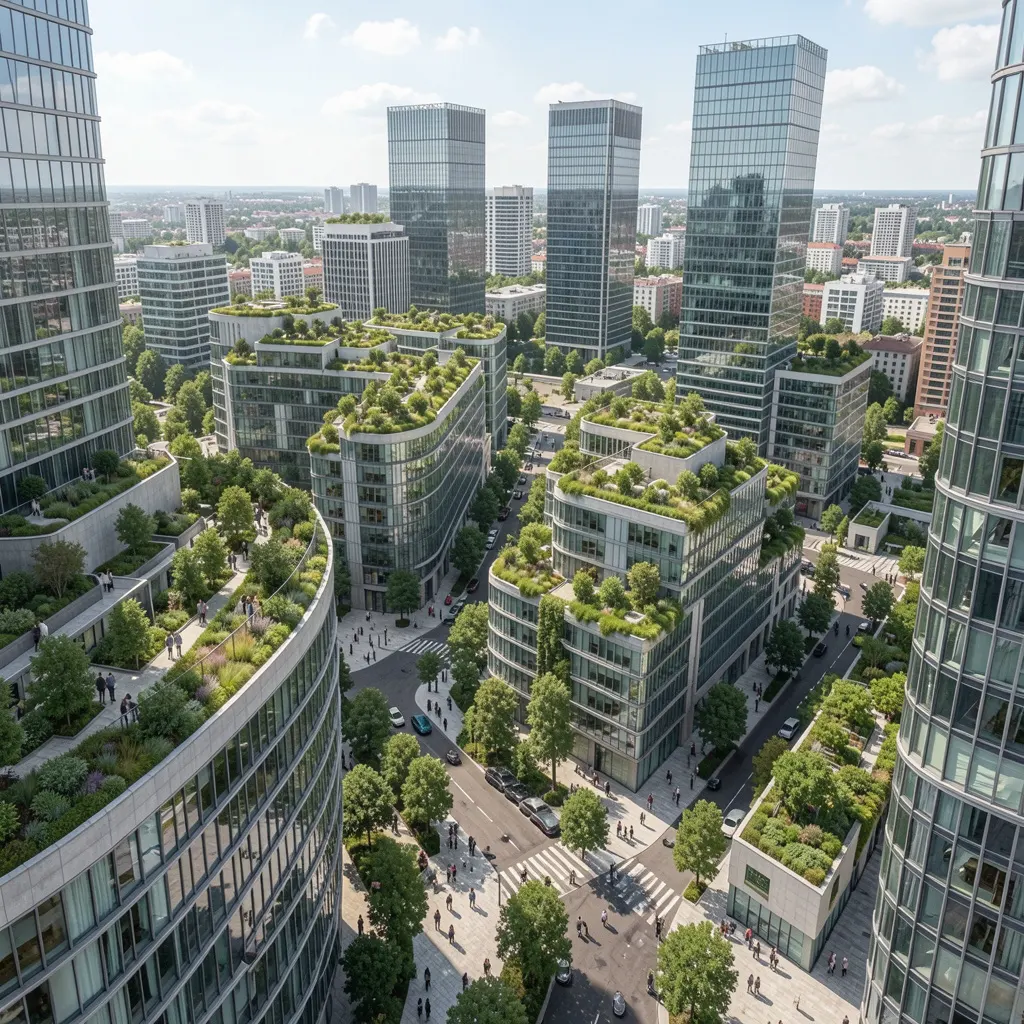
The World Green Building Council encourages the adoption of net-zero standards across commercial and residential developments. These standards help reduce operational emissions while lowering long-term costs.
Architects increasingly incorporate:
- Solar energy systems
- Advanced insulation technologies
- Smart energy management
- Natural ventilation systems
- Rainwater harvesting solutions
- Low-carbon construction materials
Why Cities Are Rethinking Growth
Urban populations continue to expand. As a result, cities must balance growth with environmental responsibility.
Research from UN-Habitat shows that sustainable urban planning can improve quality of life while reducing environmental impact. Many municipalities now prioritize mixed-use developments, green spaces, and transit-oriented communities.
These approaches create healthier and more resilient urban environments.
Technology Is Driving the Transformation
Digital innovation plays a major role in modern architecture. Advanced software allows designers to optimize energy performance before construction begins.
Industry leaders such as Autodesk and Trimble provide technologies that help architects model energy use, material efficiency, and environmental impact.
These tools enable smarter decisions during every stage of a project’s lifecycle.
The Rise of Green Skyscrapers
Sustainability does not mean abandoning tall buildings. Instead, architects are redesigning skyscrapers to operate more efficiently.
The Council on Tall Buildings and Urban Habitat reports growing interest in towers that integrate renewable energy, green roofs, and intelligent building systems.
Modern skyscrapers increasingly feature:
- Vertical gardens
- Solar facades
- Water recycling systems
- Smart lighting controls
- Energy-efficient glass technologies
These innovations help reduce environmental footprints while maintaining high-density urban development.
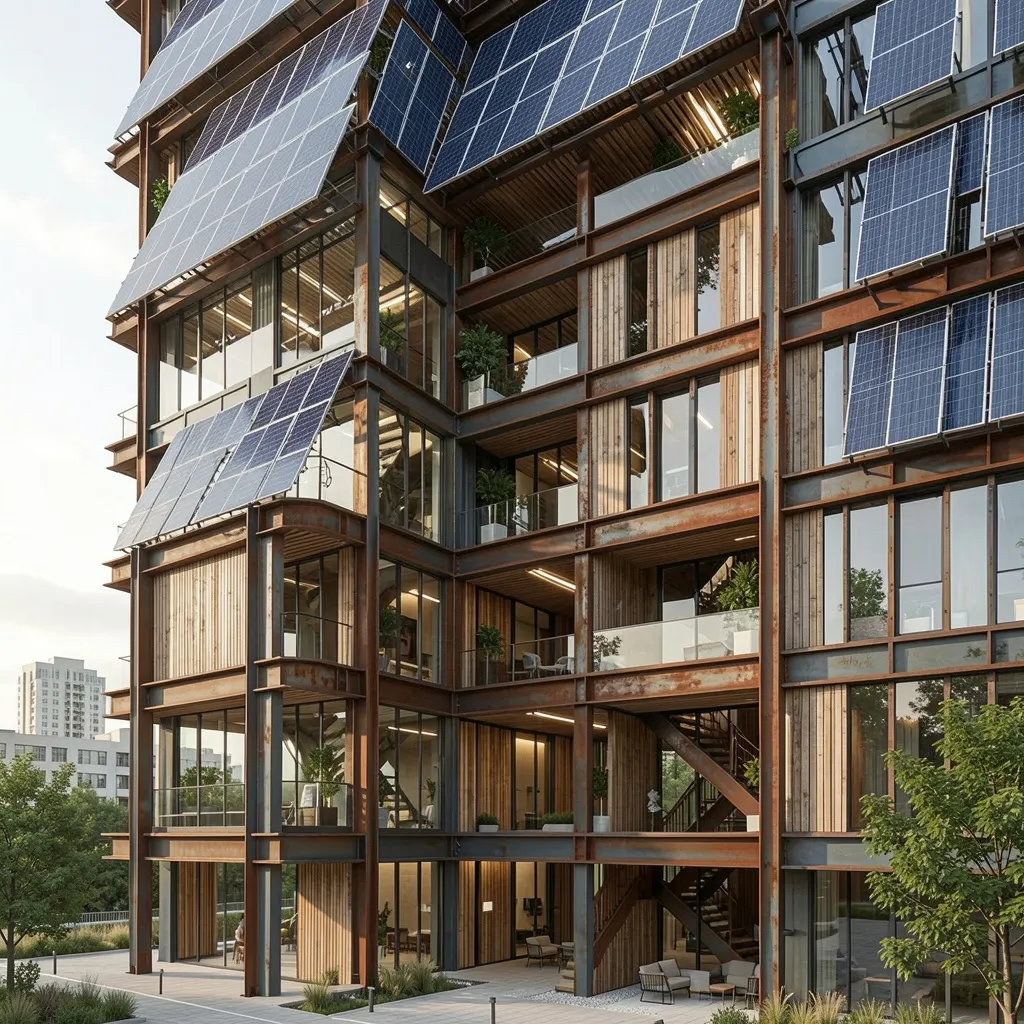
Investors Are Supporting Sustainable Projects
Financial markets are also influencing architectural trends. Investors increasingly favor developments that meet environmental, social, and governance standards.
Reports from the World Economic Forum suggest that sustainable assets often attract stronger long-term investment interest. Developers therefore have financial incentives to prioritize environmentally responsible construction.
This shift is accelerating the adoption of green building practices worldwide.
Materials Matter More Than Ever
Construction materials contribute significantly to carbon emissions. Architects now seek alternatives that reduce environmental impact without compromising performance.
Organizations such as the U.S. Green Building Council continue promoting sustainable material standards through certification programs and industry guidance.
Many projects now use recycled steel, engineered timber, and low-carbon concrete to reduce embodied carbon.
The Future of Global Architecture
The architecture industry is entering a new era. Height remains impressive, but sustainability now drives many of the world’s most ambitious projects.
Architects, engineers, and city planners increasingly recognize that future buildings must do more than dominate skylines. They must reduce emissions, conserve resources, and improve urban living.
In 2026, the industry’s vision extends beyond vertical achievement. The new goal is creating buildings that support both economic growth and environmental responsibility. That shift may define architecture for decades to come.
#Architecture #SustainableArchitecture #GreenBuildings #UrbanDesign #SmartCities #NetZero #Sustainability #EcoArchitecture #FutureCities