

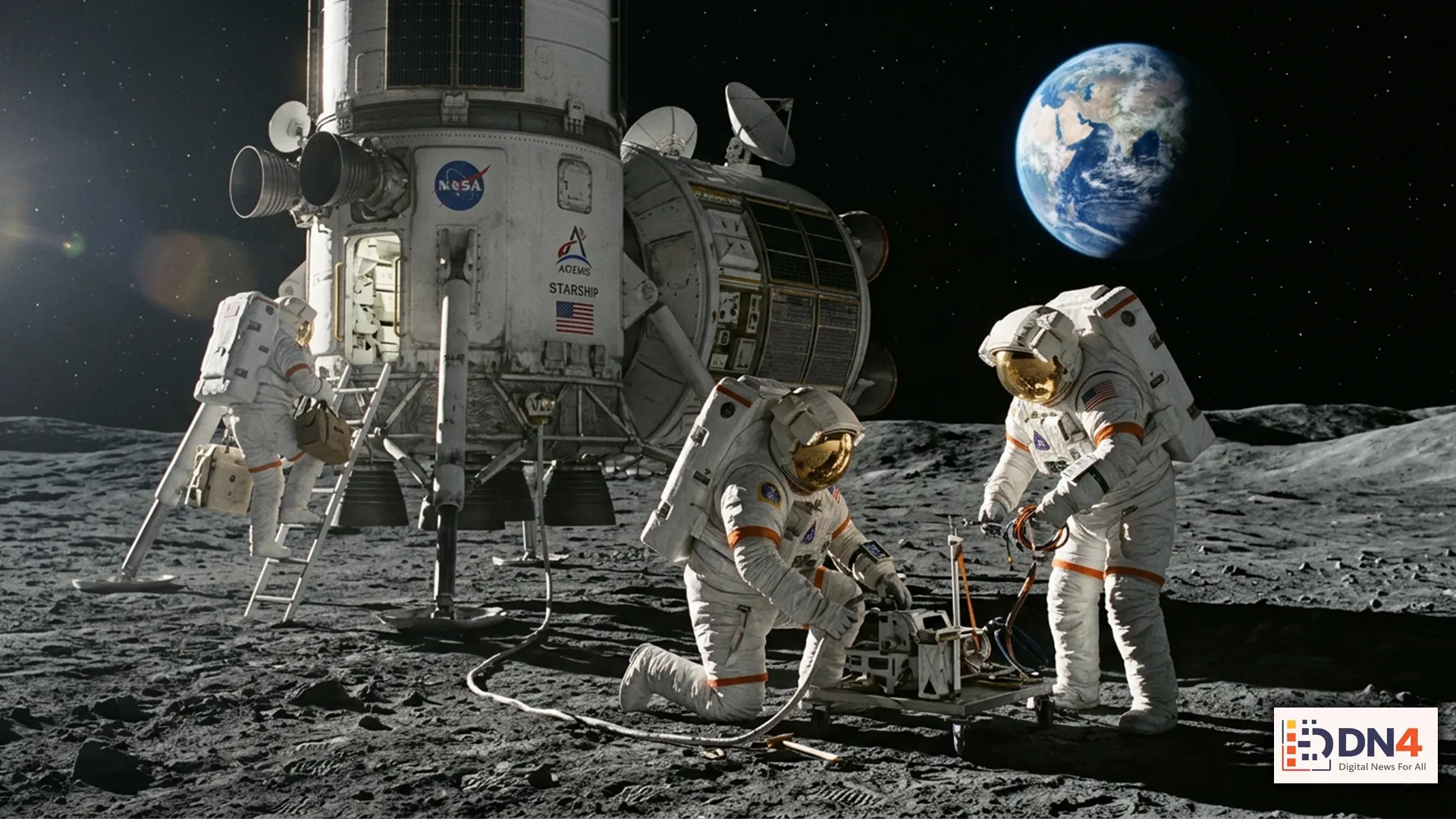
NASA’s Artemis III mission remains one of the most ambitious space projects of the decade. The mission aims to return astronauts to the Moon for the first time since the Apollo era. However, technical challenges, schedule adjustments, and development delays have raised questions about the program’s timeline.
Despite these setbacks, NASA continues to move forward. Agency leaders believe Artemis III will play a critical role in shaping the future of lunar exploration and preparing humanity for deeper missions into space.
Why Artemis III Matters
Artemis III represents more than a lunar landing. The mission serves as a key step in NASA’s broader strategy for long-term exploration.
According to NASA, the Artemis program aims to establish a sustainable human presence on the Moon while developing technologies needed for future missions to Mars.
Success would strengthen American leadership in space and create new opportunities for scientific discovery.
The Biggest Challenges Facing Artemis III
Large-scale space missions often encounter obstacles. Artemis III is no exception.
Several factors have affected the program’s schedule, including spacecraft development, safety testing, and mission integration requirements. Reports from the Government Accountability Office have highlighted the complexity of coordinating multiple systems and contractors.
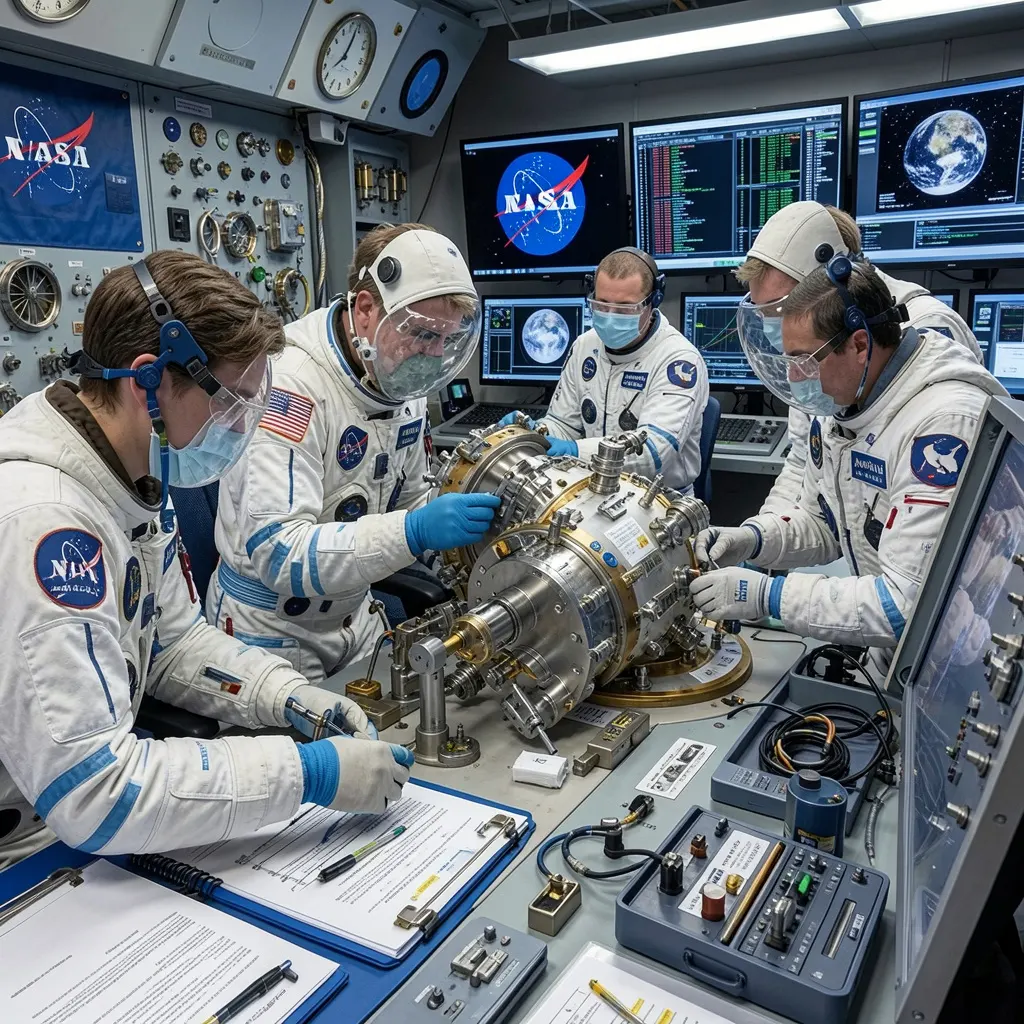
Major challenges include:
- Spacecraft certification requirements
- Lunar lander development timelines
- Mission safety reviews
- Advanced spacesuit testing
- Launch infrastructure readiness
- Integration of multiple flight systems
The Role of Starship in the Mission
One of the most closely watched aspects of Artemis III involves the lunar landing system. NASA selected SpaceX to develop a lunar version of Starship for astronaut landings.
The project introduces significant innovation. At the same time, it adds complexity because engineers must validate new technologies before human crews can rely on them.
Industry observers continue to monitor testing milestones and development progress closely.
Space Launch System Remains Central
The Space Launch System (SLS) remains the backbone of NASA’s Artemis architecture. The powerful rocket will carry astronauts aboard the Orion spacecraft toward lunar orbit.
NASA successfully demonstrated many core capabilities during previous Artemis missions. Those achievements provide confidence for future crewed operations.
Even so, engineers continue refining systems to meet strict safety standards.
International Interest Continues to Grow
The Moon has become a focal point for global space agencies. Countries around the world view lunar exploration as a strategic priority.
The European Space Agency, Japan Aerospace Exploration Agency, and the Canadian Space Agency all contribute to various Artemis-related initiatives.
This international cooperation strengthens scientific collaboration and expands mission capabilities.
Preparing for a Sustainable Lunar Presence
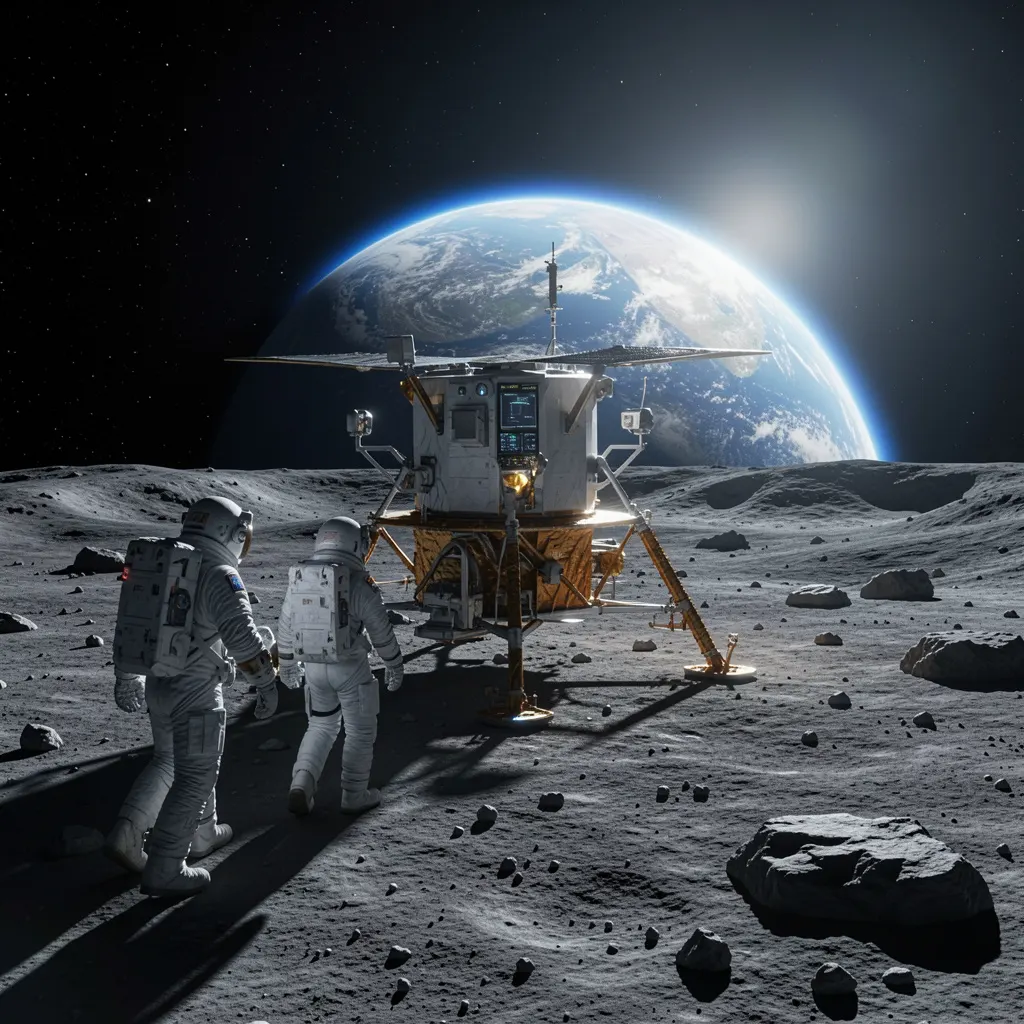
NASA’s long-term vision extends beyond a single landing. The agency wants to establish sustainable operations on and around the Moon.
Projects such as the Lunar Gateway support that objective by creating infrastructure for future missions.
Scientists hope these efforts will improve understanding of lunar resources, human adaptation to deep-space environments, and technologies needed for Mars exploration.
Why Delays Are Not Unusual
Space exploration has always involved risk and complexity. Historic programs often required schedule adjustments before achieving success.
Experts from organizations such as the Planetary Society note that rigorous testing can reduce mission risks and improve long-term outcomes.
Many analysts argue that safety should remain the top priority, even if timelines shift.
What Happens Next?
NASA will continue testing hardware, evaluating mission readiness, and coordinating with industry partners. Each milestone moves Artemis III closer to launch.
The agency faces challenges, but momentum remains strong. Engineers, astronauts, and international partners continue working toward a shared goal of returning humans to the Moon.
If successful, Artemis III could mark the beginning of a new era in exploration. The mission may not only return astronauts to the lunar surface but also lay the foundation for humanity’s next giant leap into deep space.
#ArtemisIII #NASA #MoonMission #SpaceExploration #LunarLanding #ArtemisProgram #SpaceNews #MoonRace #FutureOfSpace