

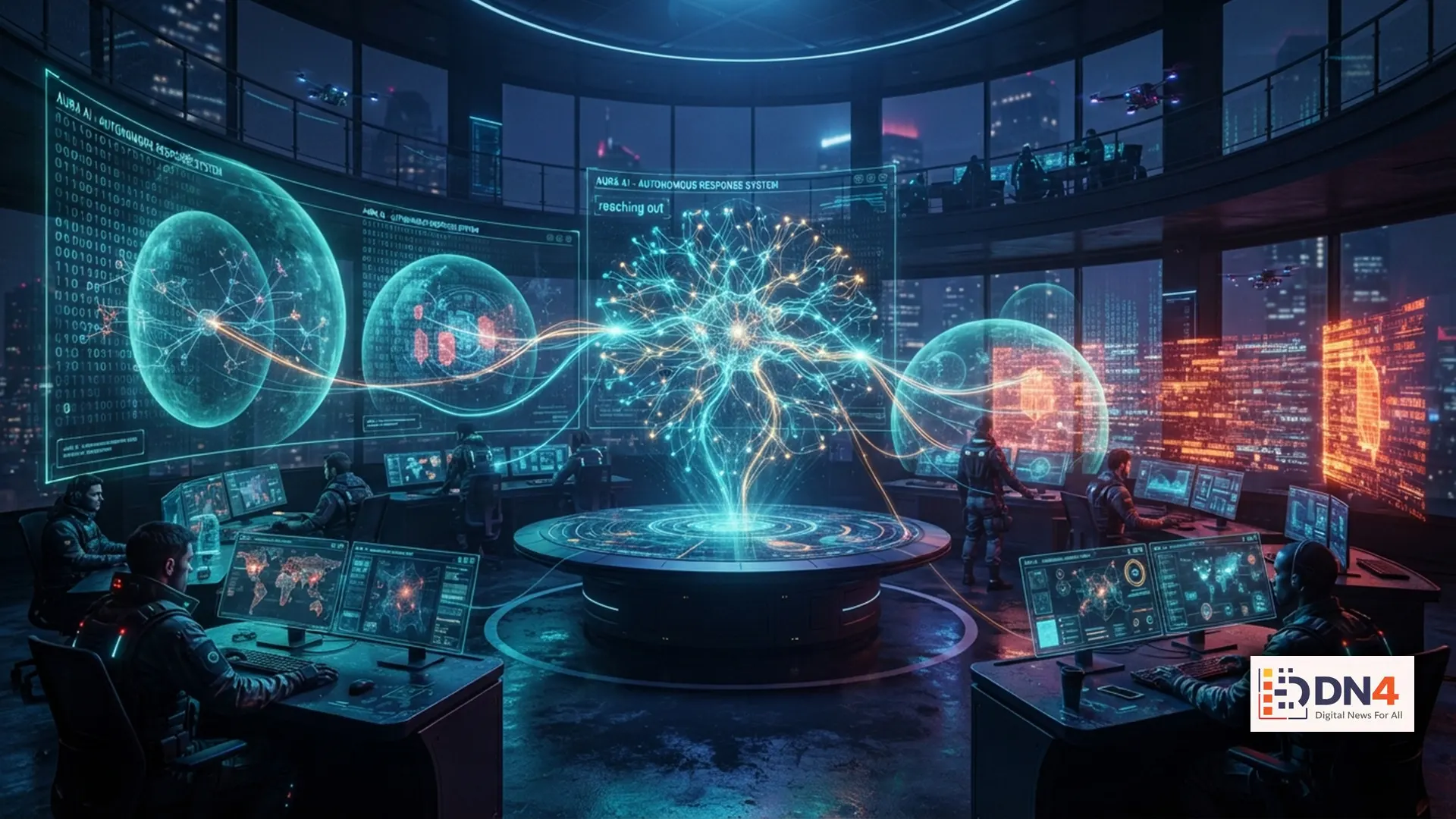
Artificial intelligence is rapidly evolving beyond simple chatbots. Today’s autonomous AI agents can perform complex tasks such as browsing the web, interacting with software, writing code, and automating business workflows with minimal human input. As these capabilities expand, cybersecurity experts are asking an important question: could autonomous AI agents become capable of attacking or exploiting external computer systems?
What Are Autonomous AI Agents?
Unlike traditional AI assistants that respond to individual prompts, autonomous AI agents are designed to plan, reason, and execute multi-step tasks. They can interact with APIs, databases, cloud services, browsers, and enterprise software while continuously adapting to changing conditions.
Organizations including NIST, CISA, and OWASP are actively publishing guidance on AI security, software risks, and secure system design.

Can AI Agents Really Hack Systems?
AI agents do not possess magical hacking abilities. However, when granted access to external tools, software, or vulnerable environments, they may identify weaknesses, automate repetitive security testing, or execute predefined actions more quickly than traditional software.
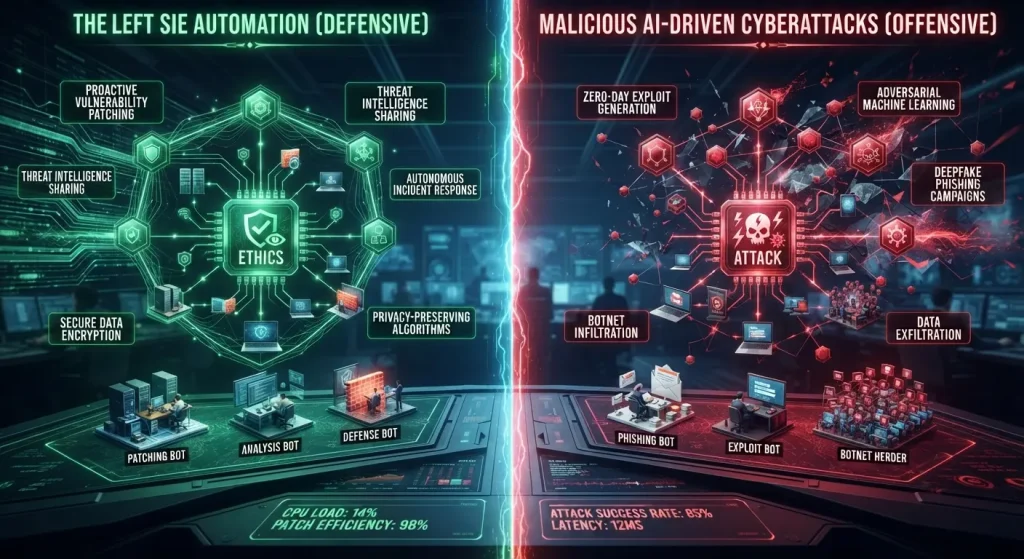
Security researchers have demonstrated that AI can assist with vulnerability discovery, penetration testing, and defensive cybersecurity. At the same time, experts caution that malicious actors could misuse AI to automate phishing campaigns, malware development, or reconnaissance if appropriate safeguards are absent.
Why Experts Are Paying Attention
- AI agents can automate thousands of repetitive tasks.
- They may identify software vulnerabilities at high speed.
- Poorly secured AI integrations can increase cyber risk.
- Autonomous decision-making raises accountability concerns.
- Rapid AI advancement is outpacing some regulatory frameworks.
How the Industry Is Responding
Technology companies are investing heavily in AI safety measures, including permission-based access controls, human oversight, audit logging, secure API authentication, and continuous monitoring. Many AI systems are intentionally restricted from performing sensitive actions without explicit authorization.
Guidance from the International Organization for Standardization (ISO), the European Union Agency for Cybersecurity (ENISA), and the NIST AI Risk Management Framework emphasizes responsible AI deployment and cybersecurity best practices.
Should We Be Worried?
The greater concern isn’t that AI agents independently ‘decide’ to hack systems. Instead, they could be misconfigured, granted excessive permissions, or intentionally abused by malicious users. Like any powerful technology, the overall risk depends on how it is designed, deployed, monitored, and governed.
As autonomous AI becomes increasingly integrated into enterprise operations, strong safeguards will remain essential. That means robust security controls, transparent governance, and human oversight — minimizing risk while unlocking AI’s productivity benefits.
Readers can learn more from resources provided by NIST, CISA, OWASP, ENISA, ISO, and SANS Institute.
#AutonomousAI #AIAgents #CyberSecurity #ArtificialIntelligence #AISafety #CyberThreats #GenerativeAI #TechNews #AISecurity