

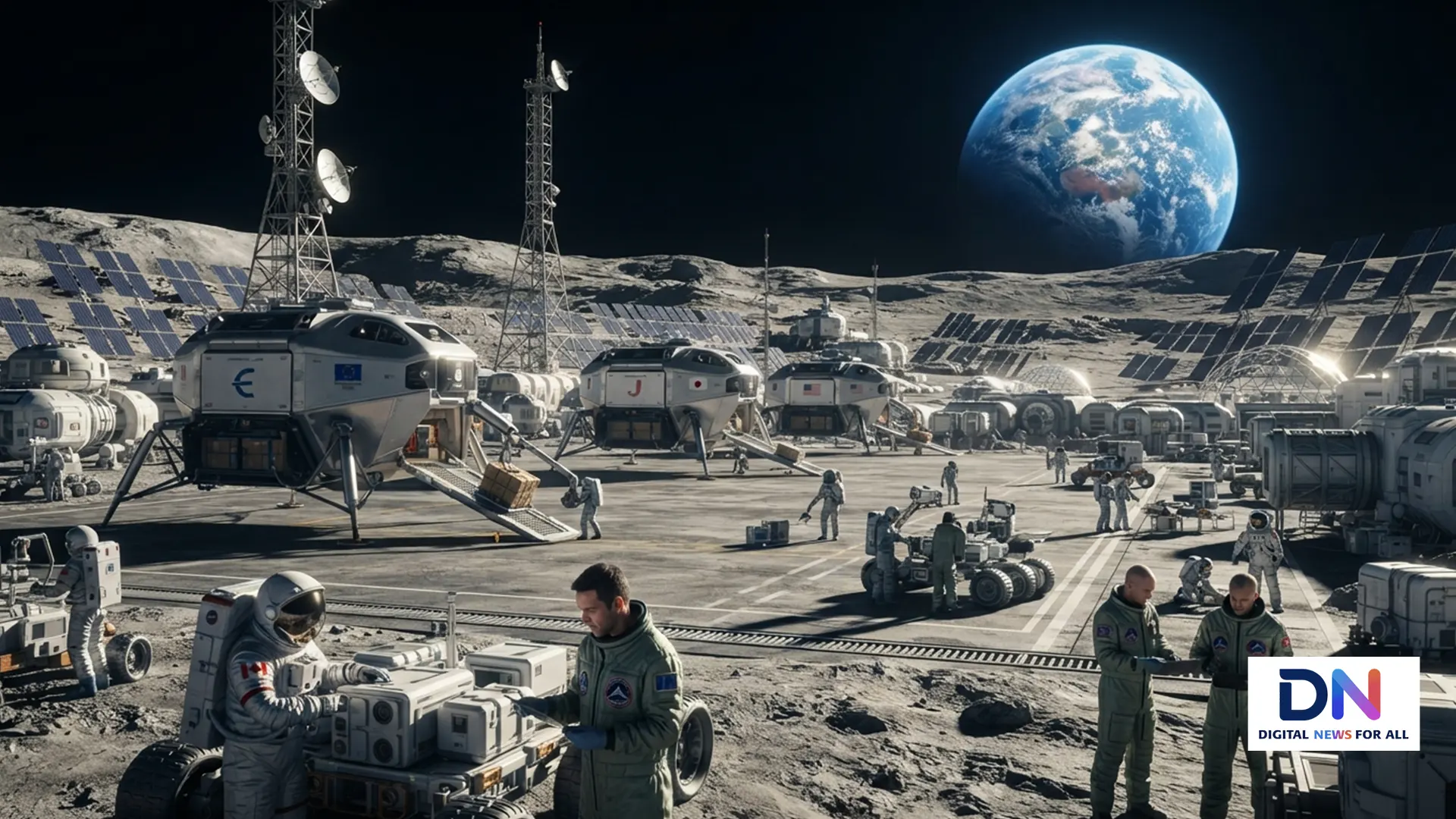
The next great space race may not be driven entirely by governments. As NASA prepares for sustained lunar exploration, commercial aerospace companies are increasingly becoming essential partners in building the infrastructure, transportation systems and technologies needed for a new era of space activity.
At the center of this international effort are the Artemis Accords, a framework designed to establish common principles for peaceful, transparent and sustainable civil exploration of the Moon, Mars and beyond.
What Are the Artemis Accords?
Established in 2020 by NASA, the U.S. Department of State and initial international partners, the Artemis Accords build on existing international space law, including the Outer Space Treaty.
The agreement addresses issues including peaceful exploration, emergency assistance, scientific data, space-resource utilization, interoperability, deconfliction and orbital-debris mitigation. As of August 31, 2026, 71 nations had signed the Accords, following Türkiye’s addition to the coalition. NASA’s official Artemis Accords page provides the current signatory list and principles.
Why Commercial Companies Are Central to Artemis
NASA is increasingly using commercial partnerships instead of developing every spacecraft and service internally. The agency’s Commercial Lunar Payload Services (CLPS) program, for example, contracts private companies to deliver scientific and technological payloads to the lunar surface.
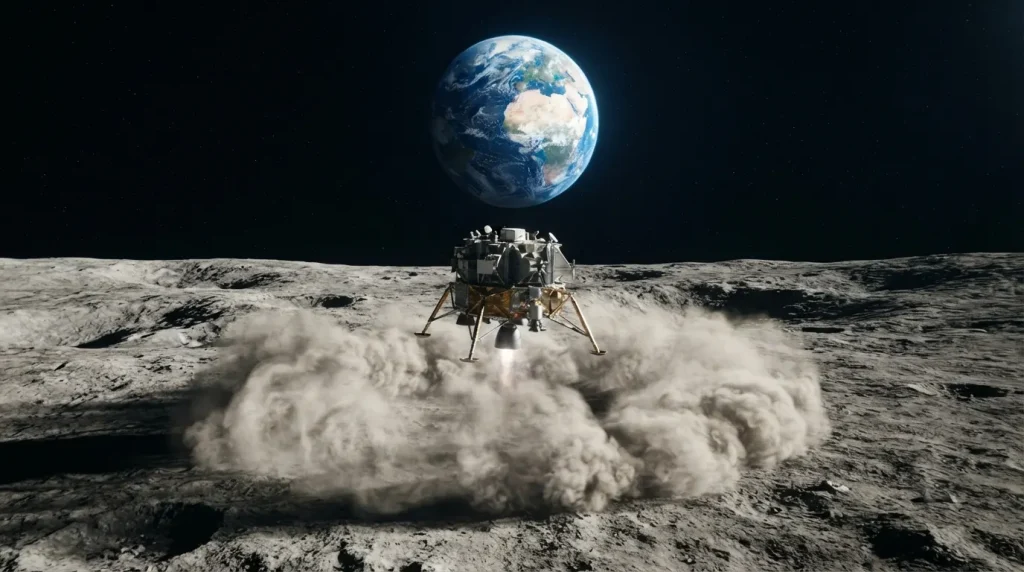
NASA says the model is intended to provide more frequent and affordable access to the Moon while helping establish a viable commercial lunar landing industry. NASA’s CLPS program allows companies to retain ownership of their landers and sell transportation capacity to NASA and other customers.
From Lunar Landers to Infrastructure
The commercial opportunity extends far beyond launching rockets. Companies are developing lunar landers, communications systems, navigation technologies, robotics, power systems, spacesuits and other infrastructure.
NASA has also selected dozens of commercial technology proposals focused on space transportation, lunar surface operations and infrastructure. In June 2026, the agency announced 41 selected proposals from 37 companies intended to advance technologies supporting long-term lunar and Mars exploration. NASA’s announcement described the effort as part of a broader push to work with American industry.
The Emerging Lunar Economy
The long-term vision is a space economy in which government missions are only one source of demand. Communications, transportation, scientific services, power, robotics and eventually resource utilization could create entirely new commercial markets.
NASA explicitly describes Artemis as a catalyst for an expanding space economy, with companies developing systems intended to support a long-term human presence on the Moon. NASA’s lunar-economy initiative highlights commercial opportunities ranging from lunar transportation to surface infrastructure.
Why Rules Matter for Business
Commercial investors need predictable operating environments. The Artemis Accords attempt to create shared expectations around issues such as harmful interference, operational notifications, safety zones and responsible resource utilization.
That does not mean the Accords create a complete commercial legal code for the Moon. Instead, they provide a common set of principles that participating nations can use as they coordinate civil exploration and commercial activity.
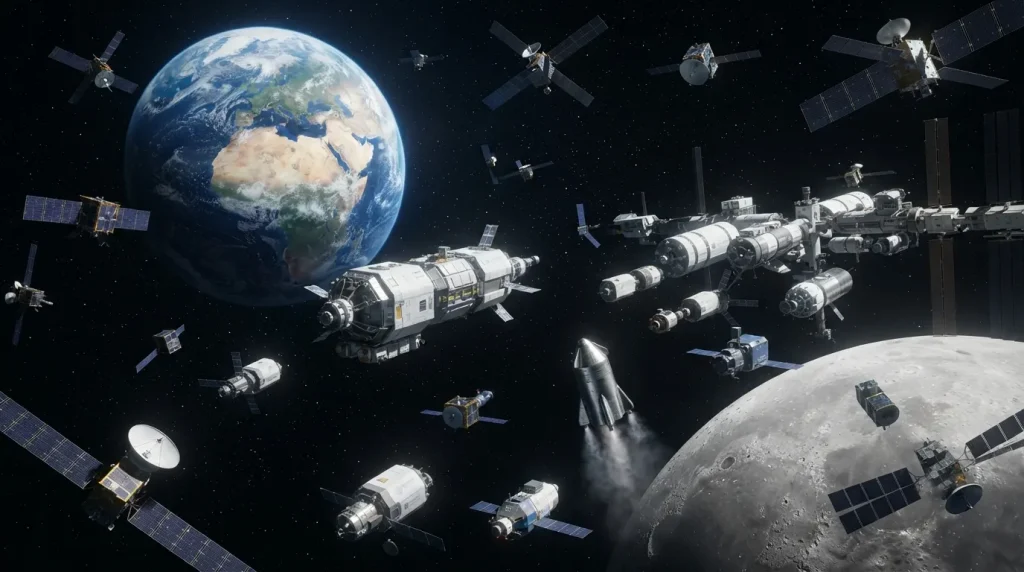
The Space Economy Is Moving Beyond Earth Orbit
The commercial space industry has already transformed launch services and satellite operations. Artemis could push that transformation farther—to the lunar surface and eventually deeper into the solar system.
NASA’s current strategy increasingly emphasizes commercial partnerships, including human landing systems developed by SpaceX and Blue Origin. The agency has also discussed transitioning some future crewed missions toward commercial pathways and building an enduring lunar presence. NASA’s commercial-space program outlines how private companies are becoming integral to Artemis.
A New Chapter for Commercial Aerospace
The Artemis Accords are ultimately about more than international diplomacy. They are helping establish the principles under which governments and companies could operate together as humanity expands its economic activity beyond Earth.
If lunar transportation, communications, power, robotics and resource technologies mature as planned, the Moon could become an important proving ground for the next generation of commercial aerospace.
The biggest question is no longer whether private companies will participate in the next era of space exploration. They already are. The question is how quickly that participation can evolve into a sustainable commercial ecosystem—and who will build the infrastructure that makes it possible.
#ArtemisAccords #SpaceEconomy #CommercialSpace #NASA #Aerospace #LunarEconomy #SpaceExploration #MoonMission #SpaceIndustry #CommercialAerospace #FutureOfSpace