

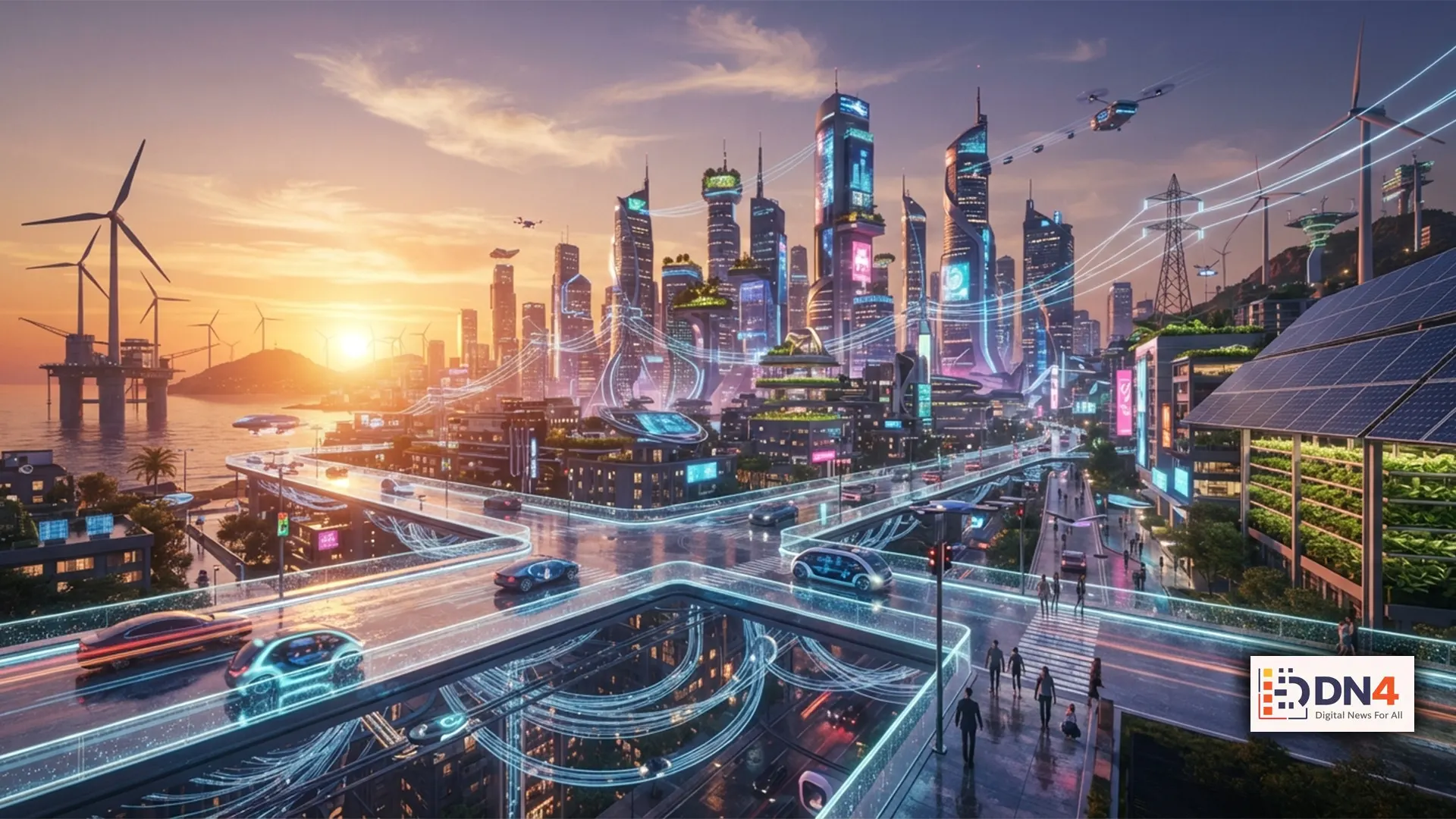
The world’s next economic revolution is no longer centered solely on software or artificial intelligence. Instead, governments and technology companies are investing billions into the physical infrastructure that will power the AI era. From high-capacity fiber optic networks to modernized electricity grids and intelligent cities, a global infrastructure race is rapidly unfolding.
As AI systems require enormous computing power and data movement, traditional infrastructure is no longer sufficient. Countries capable of delivering reliable energy, ultra-fast connectivity and resilient digital ecosystems are positioning themselves as leaders in the next generation of economic growth.
Fiber Networks Become the Digital Highways
Fiber optic infrastructure has become as essential as highways and airports. AI data centers continuously exchange massive datasets, making low-latency fiber connectivity critical for businesses, governments and cloud providers.
Major investments are expanding terrestrial fiber, submarine internet cables and edge computing networks to support growing AI workloads and future technologies.
Learn more from International Telecommunication Union (ITU), GSMA and OECD Digital Economy.

Power Grids Are Becoming AI-Ready
Artificial intelligence consumes enormous amounts of electricity. Modern AI data centers often require power equivalent to small cities, pushing utilities to expand grid capacity and integrate renewable energy.
Governments are investing in smart grids, battery storage, nuclear energy and renewable power to ensure stable electricity supplies while reducing emissions.
Industry insights are available from International Energy Agency, U.S. Department of Energy and IRENA.
The Rise of AI Cities
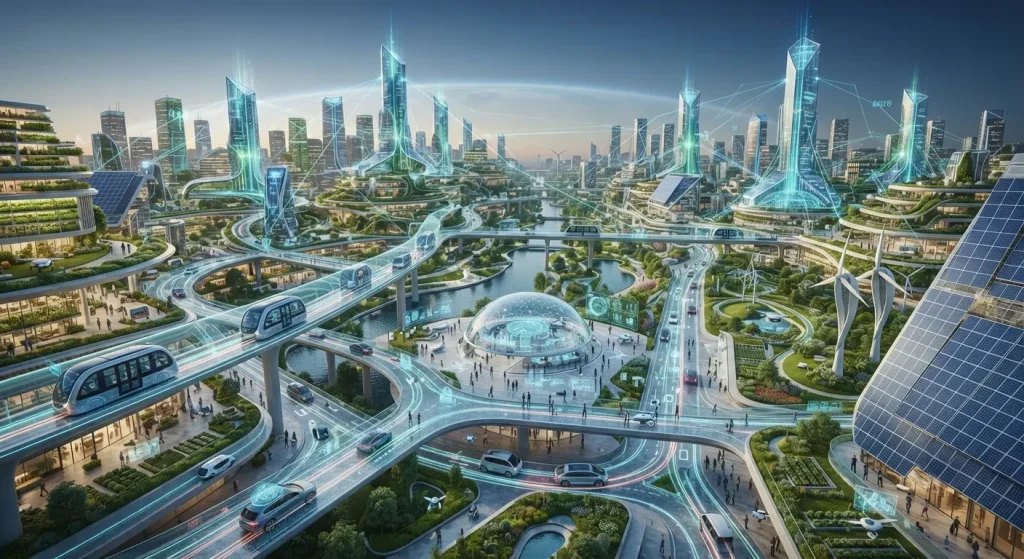
Urban planners are designing entire developments with AI at their core. These AI cities integrate intelligent transportation, autonomous public services, connected healthcare, predictive maintenance and real-time environmental monitoring.
Digital twins, IoT sensors and AI-driven planning allow city administrators to improve traffic flow, reduce energy waste and deliver more efficient public services.
Examples of smart city initiatives can be explored through Smart Cities Council and UN-Habitat.
Why This Infrastructure Race Matters
Analysts expect the nations’ leading investments in fiber, energy and AI-ready cities to attract technology companies, manufacturing, research institutions and highly skilled talent. Infrastructure is becoming a strategic asset comparable to natural resources.
Businesses are increasingly selecting locations based on digital connectivity, reliable electricity and regulatory readiness for AI deployment.
Looking Ahead
The future of artificial intelligence depends not only on algorithms but also on the networks, electricity and cities that sustain them. As governments compete to build resilient digital infrastructure, investments made today will determine tomorrow’s economic leadership.
For businesses, investors and policymakers, understanding this infrastructure transformation is becoming essential as AI reshapes industries worldwide.
#AIInfrastructure #FiberNetworks #PowerGrid #SmartCities #DigitalInfrastructure #ArtificialIntelligence #FutureCities #Technology #Innovation