

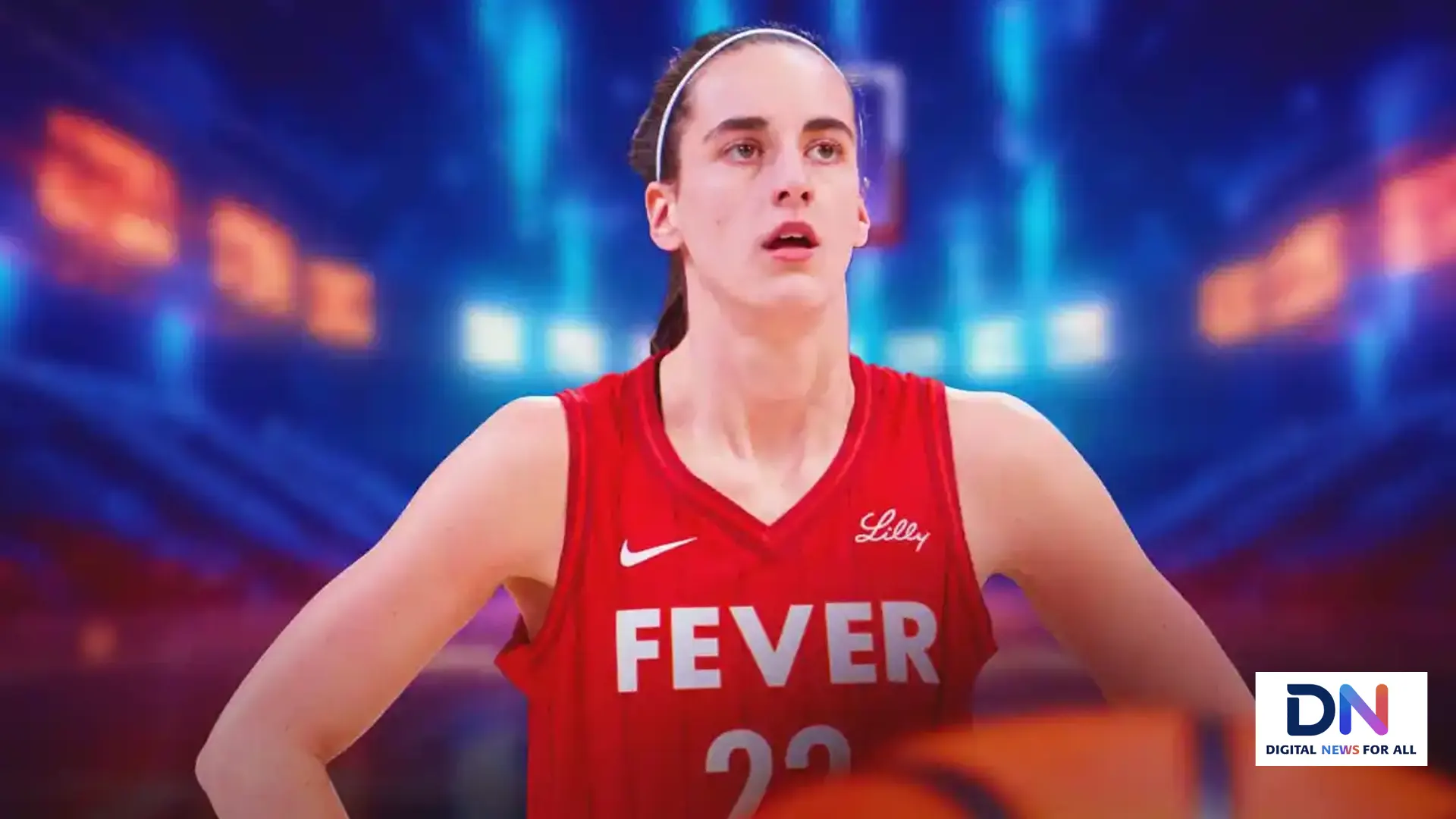
Caitlin Clark’s arrival in the Women’s National Basketball Association (WNBA) changed the commercial conversation around women’s basketball. Her popularity brought new viewers, packed arenas, merchandise demand, and national media attention. The phenomenon, widely called the “Caitlin Clark Effect,” has helped accelerate the league’s growth and attracted investors looking for opportunities in professional women’s sports.
From Record Audiences to Commercial Growth
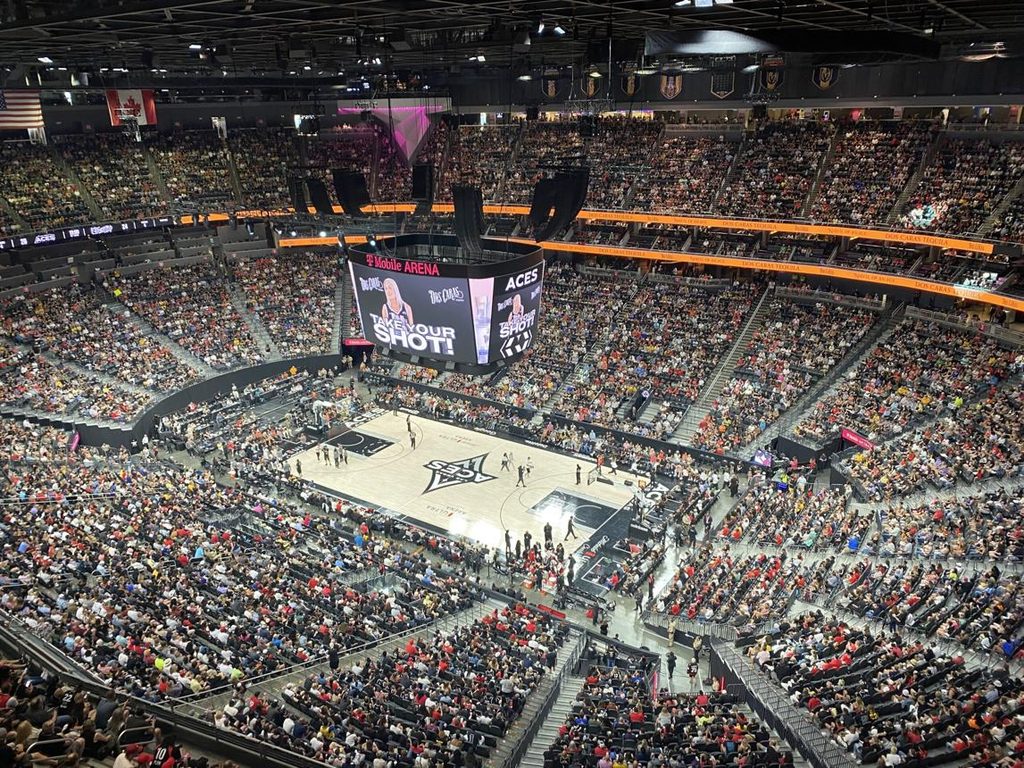
Clark’s impact became especially visible during her 2024 rookie season with the Indiana Fever. The WNBA reported that regular-season games averaged 1.19 million viewers across ESPN platforms, a 170% increase from 2023. The league also recorded its highest total attendance in 22 years and major growth in merchandise and digital engagement.
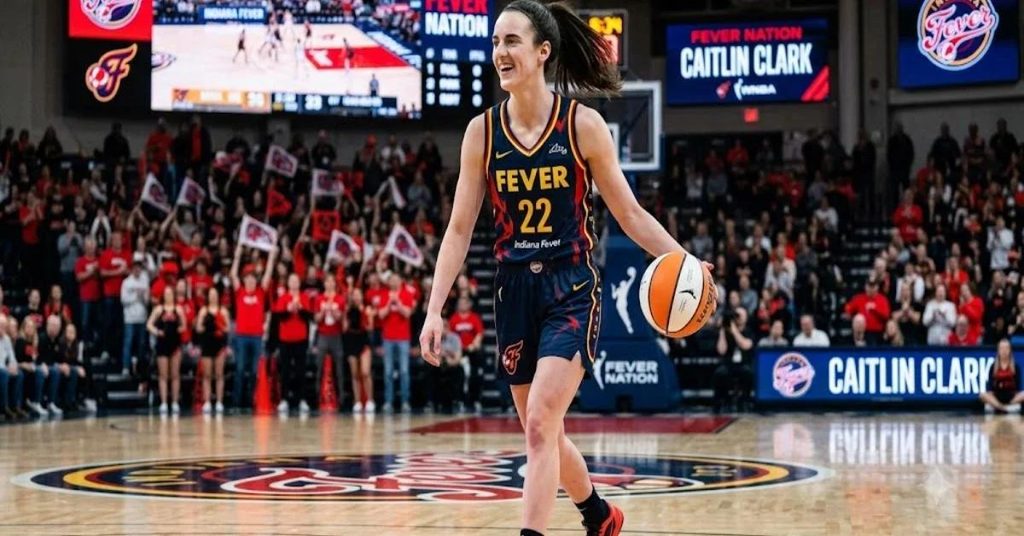
Her influence extends beyond Indianapolis. A 2026 study published in the Journal of Sports Economics estimated that Clark’s presence increased attendance by approximately 7,900 fans at home games and 6,400 at away games. These findings highlight how one widely recognized athlete can influence demand across an entire league.
However, Clark is not the only reason for the WNBA’s growth. Players such as A’ja Wilson, Angel Reese, Sabrina Ionescu, and other established stars have helped expand the audience. The league’s broader investment in marketing, broadcasting, and competitive talent also matters.
Rising Franchise Valuations Attract Investors
The financial impact is becoming increasingly visible. Forbes’ 2026 WNBA valuations placed the average franchise value at approximately $414 million, up 52% from 2025. The Golden State Valkyries, New York Liberty, and Indiana Fever were among the league’s most valuable teams.
These valuations reflect more than ticket sales. Investors are considering sponsorship opportunities, broadcast income, merchandise, premium seating, and long-term brand development. The WNBA’s expanded media agreements also strengthen expectations for future revenue.
According to the WNBA’s 2026 season report, the league reached more than 90 million unique viewers across national networks during the regular season. That growing audience gives broadcasters and advertisers more reasons to invest.
Expansion Signals a Bigger Business Opportunity
The league is turning its momentum into geographic expansion. The Golden State Valkyries began playing in 2025, while Toronto and Portland joined the expansion wave in 2026. Toronto also became the WNBA’s first franchise outside the United States.
The expansion plan continues with Cleveland scheduled for 2028, Detroit for 2029, and Philadelphia for 2030. The WNBA’s official announcement confirms the three additional markets.
Investor demand is also reflected in expansion fees. Forbes reported that the Cleveland, Detroit, and Philadelphia ownership groups agreed to pay $250 million each for their franchises.
Can the Momentum Last?
The next challenge is converting exceptional interest into consistent long-term revenue. The league must maintain strong attendance, develop local fan bases, secure sponsorships, and build audiences around multiple teams and players.
Clark has helped bring women’s basketball into a larger commercial spotlight. Yet the WNBA’s future cannot depend on one athlete alone. Its expanding markets, growing media reach, and deeper investor interest will determine whether today’s momentum becomes lasting financial strength.
#CaitlinClark #CaitlinClarkEffect #WNBA #IndianaFever #WNBABusiness #WNBAExpansion #WomensBasketball #SportsBusiness #DigitalNews