

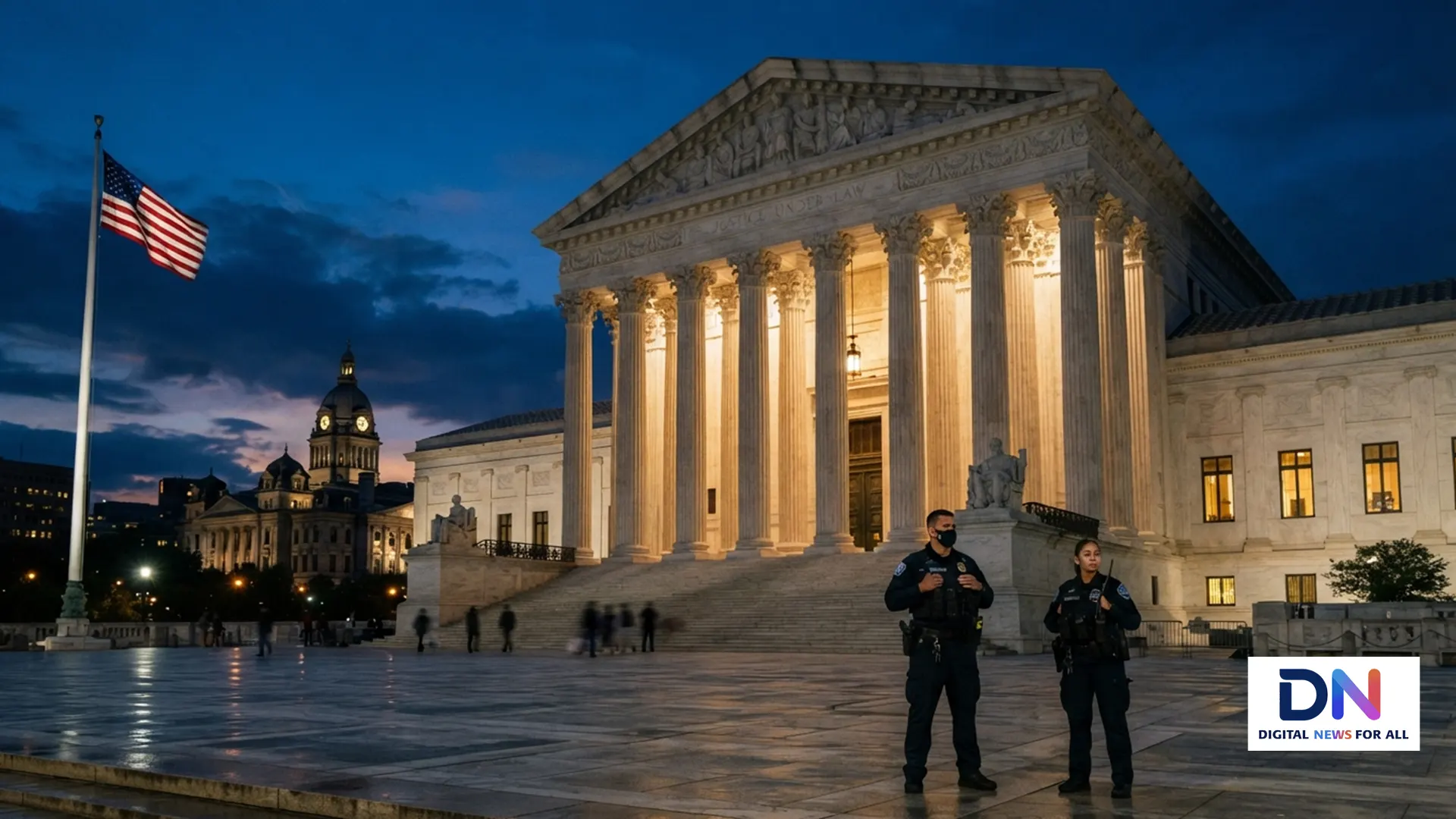
Immigration enforcement has become a major point of conflict between the federal government and courts across the United States. In 2026, disputes involving federal immigration officers, state courthouses and judicial authority have raised difficult questions about where federal enforcement power ends and state judicial independence begins.
Why State Courts Are at the Center of the Dispute
Federal immigration enforcement is conducted by federal agencies, including Immigration and Customs Enforcement. State courts, however, administer state judicial systems and handle criminal, civil and family matters under state law.
That division becomes complicated when federal immigration officers operate around state courthouses. California’s chief justice reported in 2026 that federal officers had been present at least 17 state courthouses, while court officials warned that enforcement activity could affect access to justice and public trust.
The California Judicial Branch said its courts have provided training concerning federal immigration activity and applicable state laws.

Judicial Orders and Federal Enforcement
The conflict is not limited to courthouses. Federal judges have issued thousands of rulings involving immigration detention and enforcement during the administration’s broader immigration campaign.
Reuters reported that hundreds of judges had ruled thousands of times that certain immigration detentions were unlawful. The federal government has challenged several lower-court decisions, creating a growing constitutional and statutory dispute over executive authority.
On October 1, 2026, the Supreme Court agreed to hear a case concerning mandatory detention of certain immigrants during deportation proceedings.
The State Judge Question
Another issue concerns what state judges can do when state laws intersect with federal immigration policy. Arizona’s Proposition 314, for example, gives state authorities additional immigration-enforcement responsibilities. A federal judge allowed the law to remain in effect in July while questioning whether some provisions improperly intrude on federal authority.
The Arizona Capitol Times reported that the judge specifically questioned the constitutionality of allowing state judges to participate in immigration-related deportation decisions.
A Broader Separation-of-Powers Fight
These disputes involve several overlapping legal principles. Federal immigration law generally gives Washington primary responsibility for immigration enforcement, while states retain substantial authority over their own courts and law-enforcement systems.
The resulting cases therefore raise questions about federal supremacy, state sovereignty, judicial independence and the limits of executive power.
The Supreme Court’s Growing Role
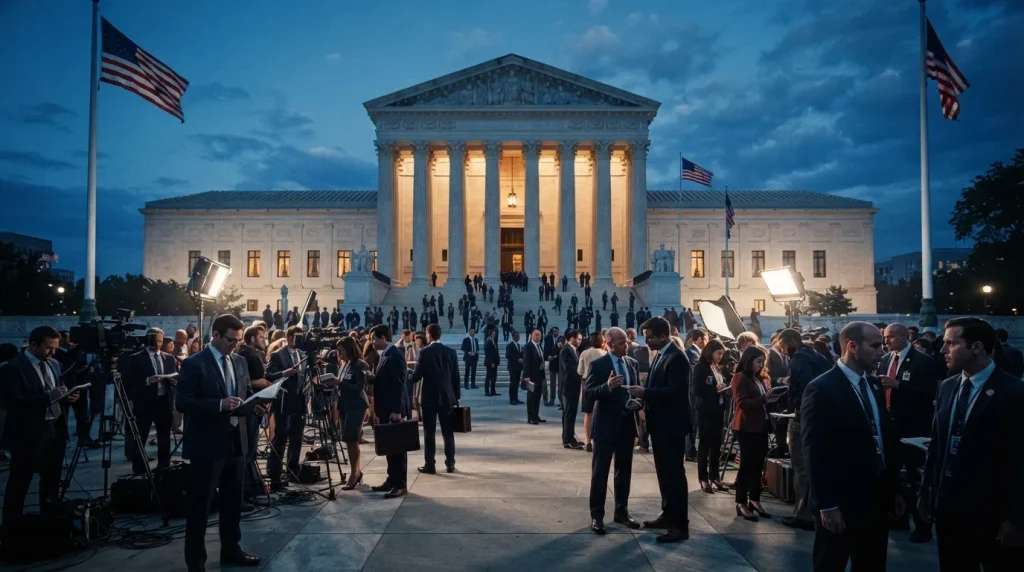
The Supreme Court is increasingly being asked to resolve conflicts created by the federal government’s expanded immigration enforcement strategy. In September 2026, the Court allowed the administration to temporarily resume certain third-country deportations while it considers the underlying legal dispute.
It has now also agreed to review the mandatory-detention question, making immigration one of the Court’s significant areas of litigation during the 2026-27 term.
What Comes Next
The legal battles will likely continue across federal and state courts. The central questions are not simply about immigration policy. They also concern how federal agencies interact with state institutions and how courts enforce legal limits on government power.
As the Supreme Court considers these disputes, its decisions could clarify the boundaries between federal immigration authority, state judicial systems and the constitutional structure governing both.
#SupremeCourt #Immigration #ImmigrationEnforcement #ICE #FederalCourts #StateCourts #Judiciary #Constitution #USPolitics