

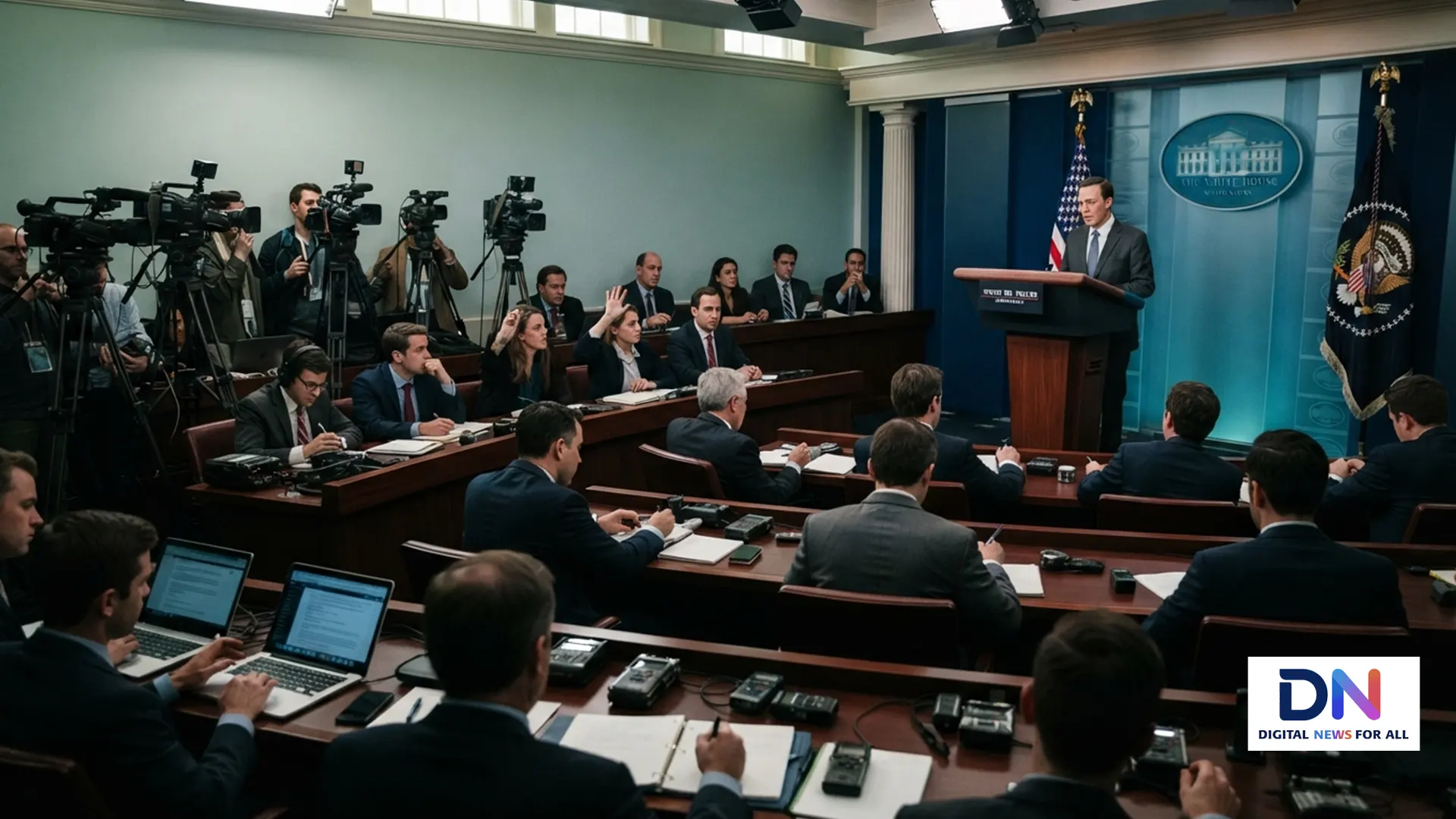
The White House press ban has become a major constitutional and media-access dispute after a federal judge ordered the Trump administration to temporarily restore access for CNN, MS NOW and Politico. The September 24 ruling does not end the lawsuit, but it changes the immediate position of the three news organizations. The federal court’s temporary restraining order requires the administration to restore the journalists’ credentials for 14 days.
Why Were the Outlets Banned?
President Donald Trump announced on September 18 that CNN, MS NOW and Politico would lose White House access. He criticized their coverage and accused the outlets of publishing what he described as false reporting. The organizations subsequently sued, arguing that the administration’s action violated constitutional protections for the press. The Associated Press reported that the lawsuit raised both First Amendment and Fifth Amendment issues.
What Did the Federal Judge Decide?
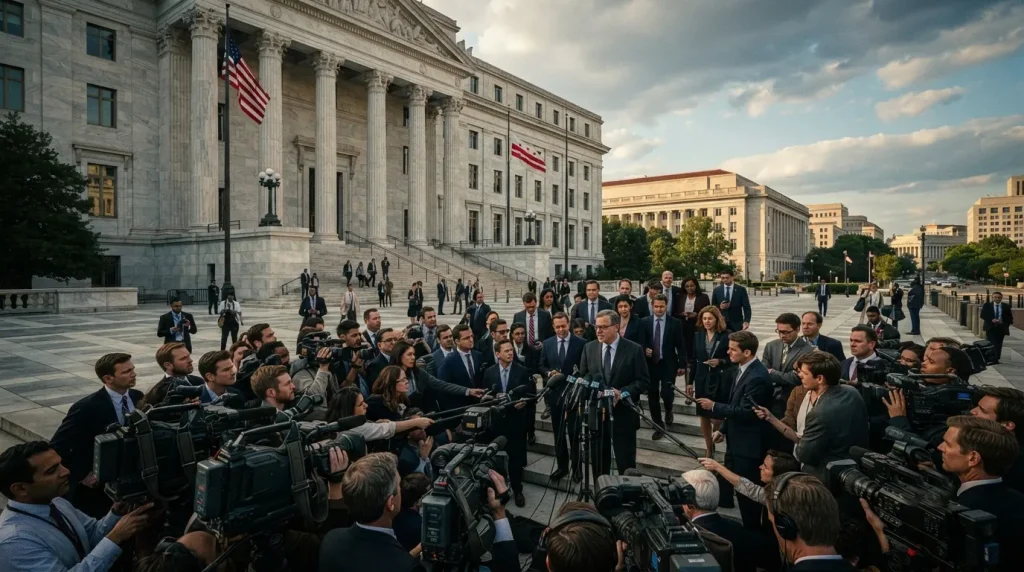
U.S. District Judge Timothy Kelly granted a temporary restraining order after finding that the outlets were likely to succeed on their due-process claim. The ruling focused particularly on whether the administration followed the required procedures before revoking journalists’ press credentials.
The judge ordered the White House to immediately return, reinstate and restore the affected credentials. However, this is a temporary measure rather than a final ruling on the broader First Amendment dispute. The Washington Post’s summary of the order notes that the temporary protection lasts 14 days while the underlying case continues.
Free Press and Government Access
The case raises an important distinction between a constitutional right to publish news and the practical question of access to government officials. The White House has argued that access to the presidential complex is a privilege rather than an unrestricted right.
In court filings, the administration also argued that national-security concerns and alleged publication of sensitive information justified its actions. The Washington Post reported that the administration maintained the restrictions were lawful and tied them to national-security concerns.
Why the Press Pool Matters
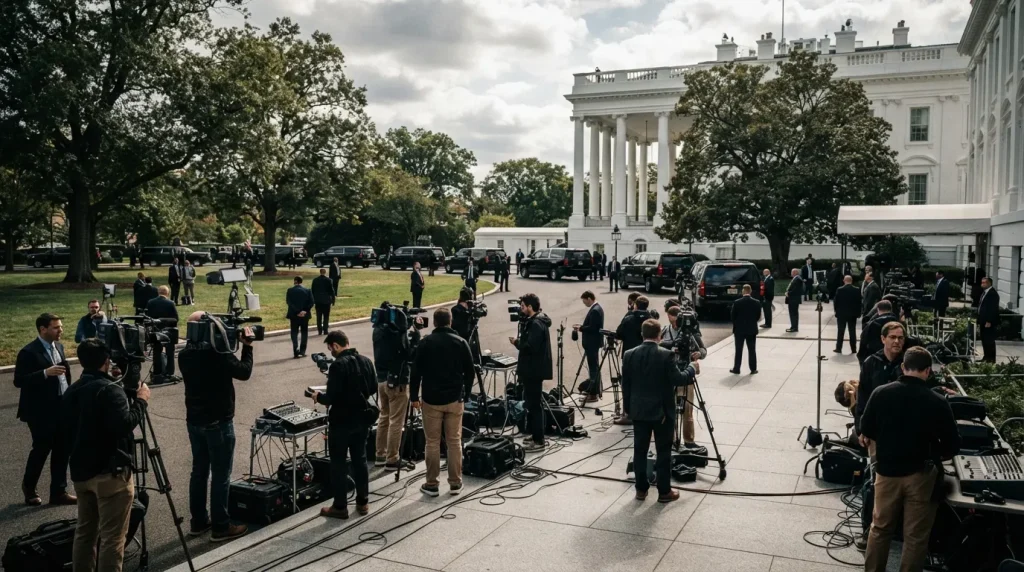
The dispute extends beyond the three organizations. White House coverage often depends on a rotating press pool because limited space prevents every news organization from sending its own crew to presidential events.
After CNN was removed from the television pool, the other major networks temporarily stopped providing pooled video coverage of presidential events. AP’s explanation of the White House pool describes how the system distributes reporting, video and other material across the broader press corps.
What Happens Next?
The ruling restores access for now, but it does not settle the underlying constitutional questions. The administration can continue defending the ban as the lawsuit proceeds, while CNN, MS NOW and Politico will continue seeking permanent relief.
For the media, the case could help clarify how much discretion a presidential administration has when deciding which journalists receive access to the White House. For the public, the dispute also highlights why press credentials, pooled coverage and judicial oversight can matter when journalists report directly on presidential actions.
The immediate result is clear: the three outlets regained White House access, but the larger fight over press freedom, due process and government control of media access remains unresolved.
#PressFreedom #FirstAmendment #WhiteHouse #FreeSpeech #CNN #MSNOW #Politico #USPolitics #Media