

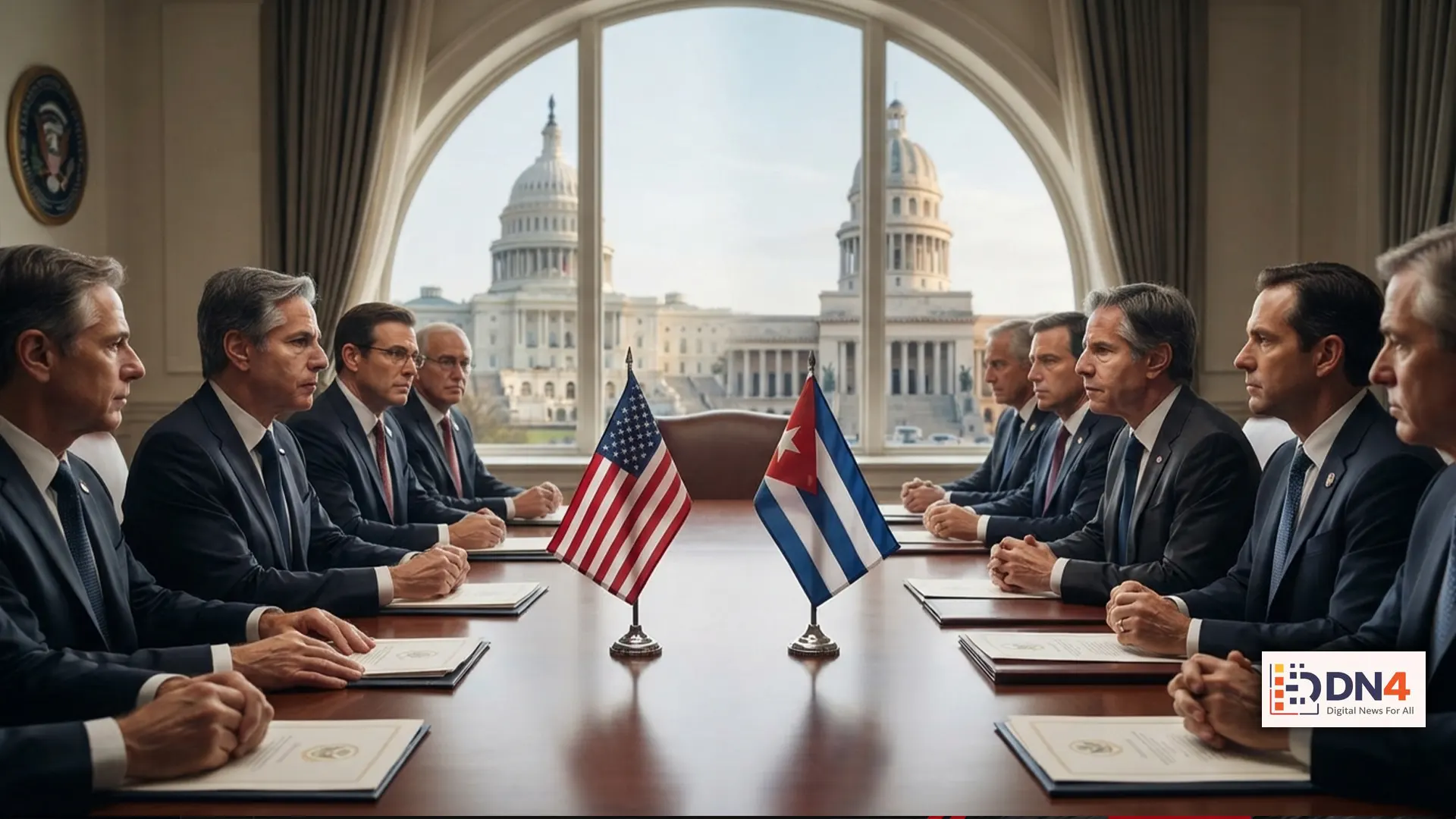
US-Cuba relations in 2026 remain one of the most complex diplomatic issues in the Western Hemisphere. After periods of renewed engagement and renewed tensions, negotiations between Washington and Havana continue facing challenges involving sanctions, migration, human rights concerns, and regional security issues.
The relationship between the United States and Cuba has experienced decades of political disagreements, making diplomatic progress difficult despite occasional efforts to improve communication and cooperation.
Official information about U.S. foreign policy toward Cuba is available through the U.S. Department of State.
Why US-Cuba Diplomatic Talks Have Slowed
Several factors have contributed to the slowdown of diplomatic negotiations. While both countries have areas where cooperation is possible, disagreements over political systems, economic policies, and security concerns continue to create barriers.
Changes in leadership priorities and domestic political pressures in both countries have also influenced the pace of engagement.

The Role of Economic Sanctions
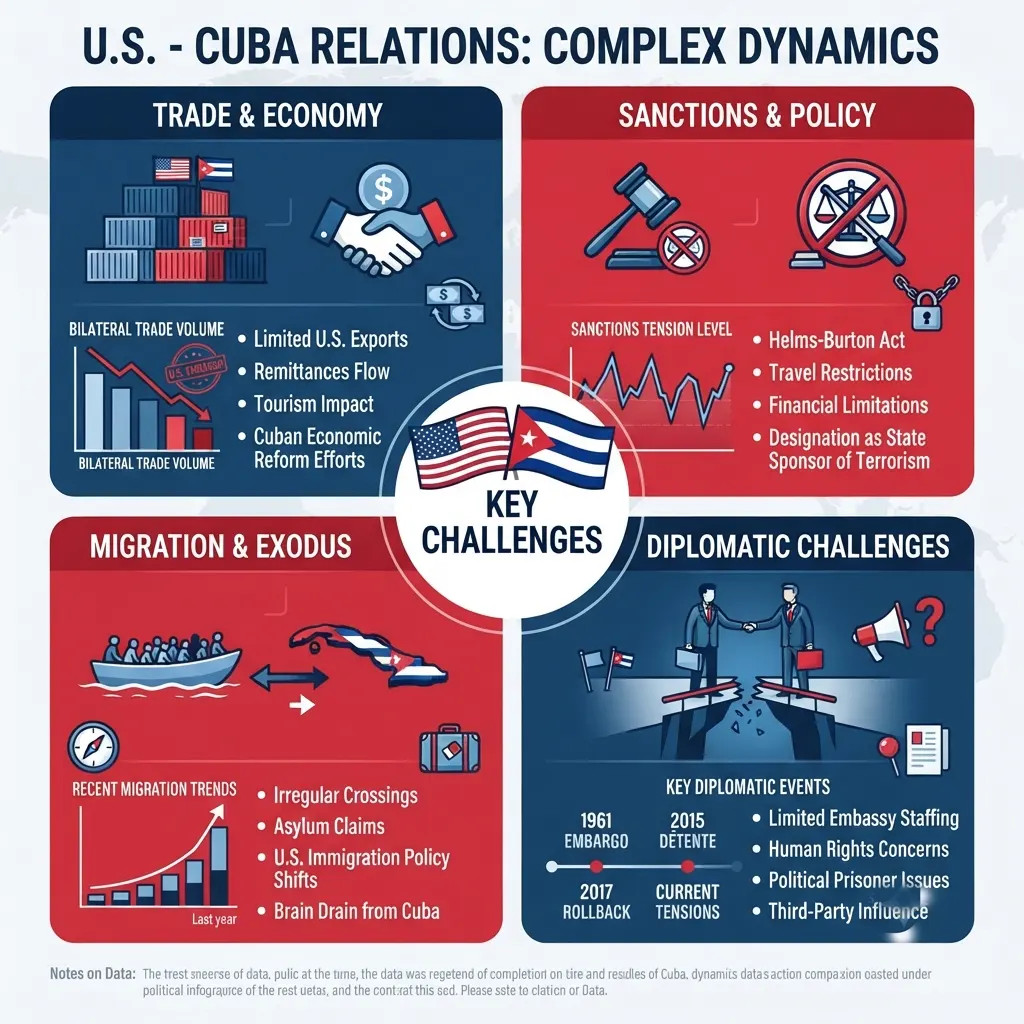
Economic sanctions remain one of the most debated issues in US-Cuba relations. Supporters argue that sanctions pressure the Cuban government to address political concerns, while critics say restrictions create economic difficulties for ordinary citizens.
The U.S. policy framework toward Cuba continues to involve restrictions on trade, financial transactions, and travel-related activities.
Background information about U.S. sanctions programs can be reviewed through the U.S. Treasury Office of Foreign Assets Control.
Migration and Regional Challenges
Migration remains a major issue affecting diplomatic discussions. Economic conditions, employment opportunities, and social challenges have contributed to migration pressures between Cuba and other countries in the region.
The United States and Cuba have historically negotiated migration agreements aimed at managing legal pathways and reducing unsafe migration routes.
Human Rights and Political Differences
Human rights concerns continue to influence the diplomatic relationship. U.S. officials and international organizations have raised concerns about political freedoms and civil liberties in Cuba.
Cuban officials have criticized U.S. policies, arguing that external pressure contributes to economic difficulties and limits national sovereignty.
International human rights information can be explored through organizations such as United Nations.
Could Relations Improve in the Future?
Despite ongoing disagreements, both countries have historically maintained areas of cooperation, including migration discussions, environmental issues, and certain humanitarian matters.
- Potential migration cooperation.
- Economic and humanitarian discussions.
- Regional security coordination.
- Future diplomatic engagement opportunities.
The Impact on the Caribbean Region
US-Cuba relations influence broader Caribbean politics, trade, and regional stability. Neighboring countries continue watching developments because changes in Washington-Havana relations can affect economic and diplomatic relationships throughout the region.
Regional political analysis is available through resources from the Organization of American States.
The future of US-Cuba relations in 2026 depends on whether both governments can find areas of cooperation while addressing longstanding disagreements. Although negotiations have slowed, diplomatic channels remain important for managing shared challenges.
The relationship between Washington and Havana continues to evolve, shaped by domestic politics, economic realities, and broader international developments.
#USCubaRelations #Cuba #Diplomacy #ForeignPolicy #WorldNews #Geopolitics #InternationalRelations #Havana #Washington