

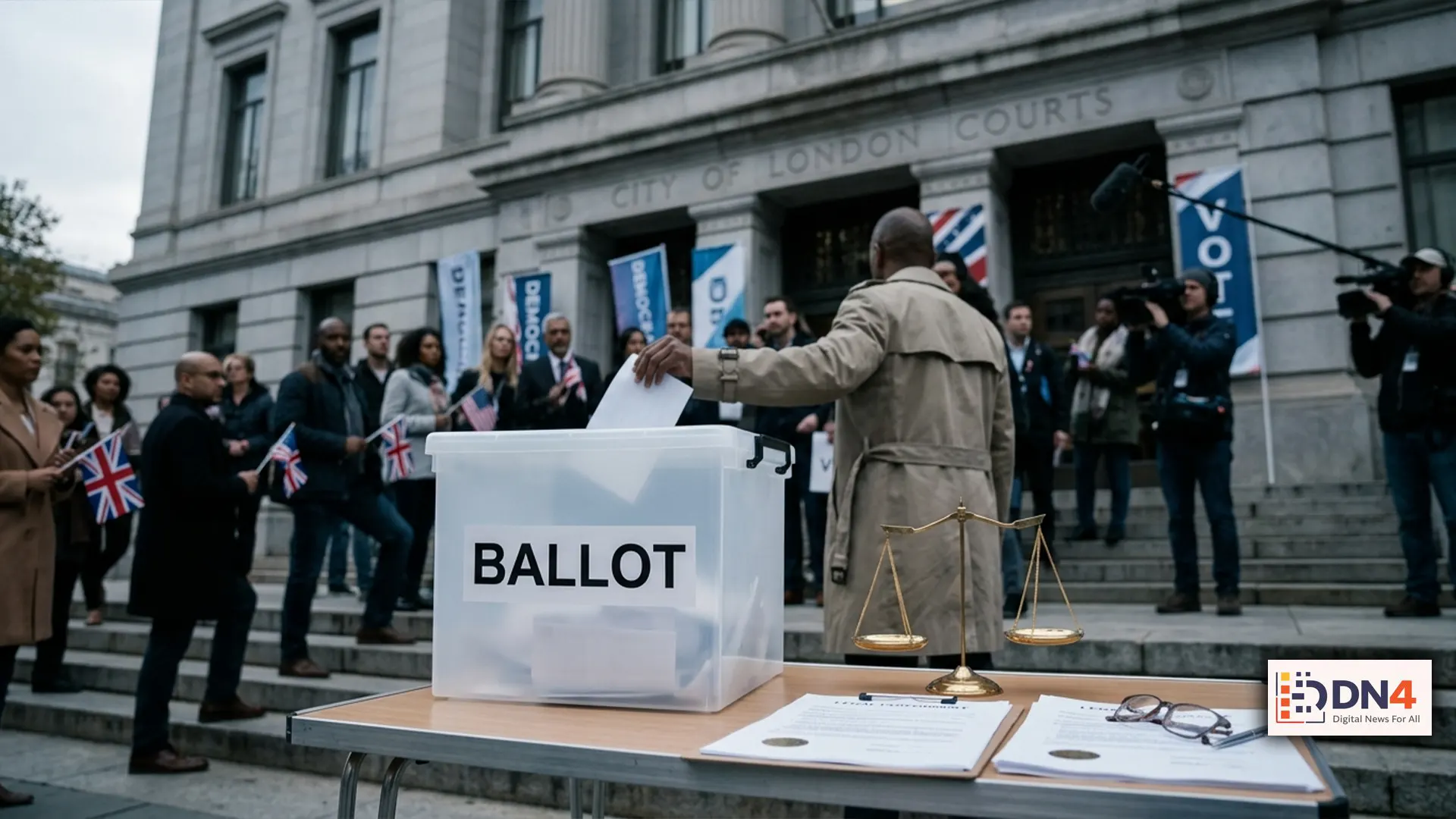
Election rules continue to face intense legal scrutiny as lawmakers, advocacy groups, and courts examine how new regulations could affect the voting process. Across the United States and other democracies, changes involving voter access, election administration, registration procedures, and ballot rules are becoming major legal issues.
Election laws are constantly evolving as governments attempt to balance election security, administrative efficiency, and voter participation. However, disagreements over these changes often lead to court battles that can shape future elections.
Why Election Rule Changes Are Facing Lawsuits
Legal challenges to election rules typically focus on questions about constitutional rights, administrative authority, and whether new requirements create unnecessary barriers for eligible voters.
Organizations involved in election policy often review new regulations through the lens of voting access and election integrity. Resources from the U.S. Election Assistance Commission provide information about election administration standards and voting processes.
Different states may adopt different approaches to election management, creating a complex legal environment where courts play an important role in determining how rules are applied.
The Role of Courts in Election Law
Courts have historically played a central role in resolving disputes involving voting procedures. Judges may review whether election changes comply with constitutional protections, federal laws, and established legal standards.
The U.S. Supreme Court has addressed numerous election-related cases throughout history, influencing how voting regulations are interpreted nationwide.
Legal experts often examine these decisions because court rulings can affect election procedures long after a specific dispute has ended.
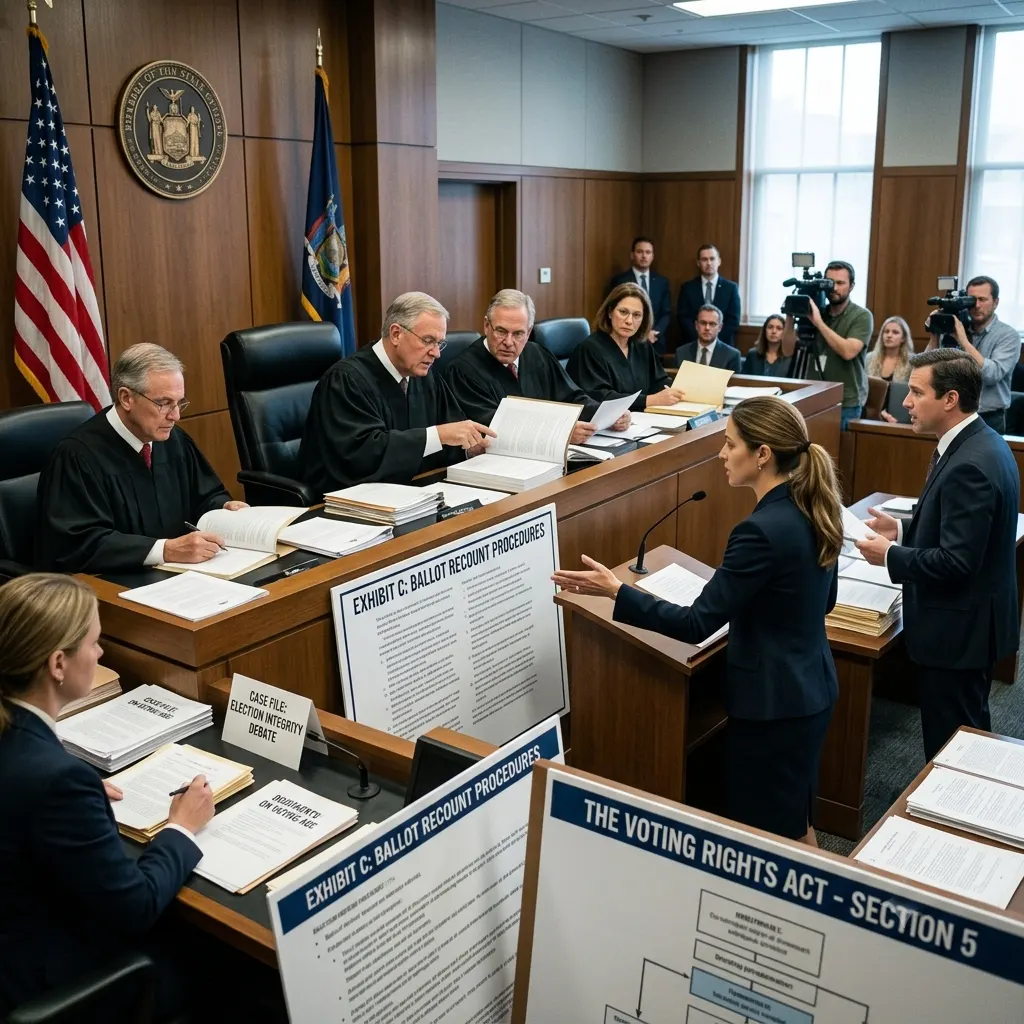
Key Issues Behind Current Election Debates
Recent legal discussions surrounding election rule changes often involve several major areas:
- Voter registration requirements
- Mail-in and absentee voting procedures
- Election identification rules
- Ballot counting standards
- Election administration authority
Organizations such as Brennan Center for Justice analyze election policies and legal developments affecting voting systems.
How These Battles Could Impact Future Elections
Election-related court decisions can influence how campaigns operate, how officials administer elections, and how voters participate. Because election rules determine the framework of democratic participation, legal challenges often receive national attention.
Government resources such as Congress.gov track legislative developments that may contribute to future election policy debates.
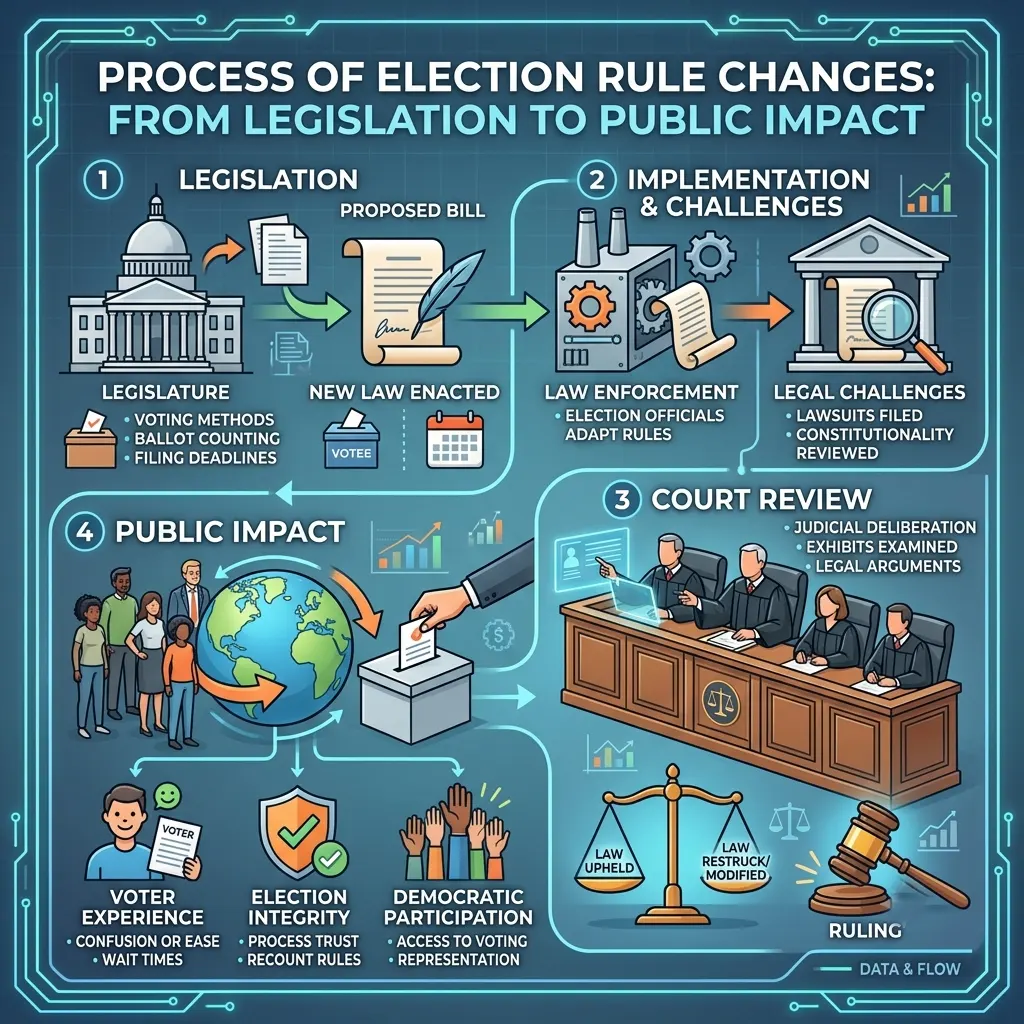
The Importance of Staying Informed
Understanding election law requires looking beyond political headlines and examining the legal arguments, court decisions, and administrative details behind each change.
News organizations including Reuters and Associated Press Elections Coverage provide ongoing reporting on major election developments and legal proceedings.
What Comes Next
As election rules continue evolving, courts will remain a key arena where competing views about voting access, security, and administration are debated.
The outcome of these legal battles may influence not only upcoming elections but also the broader future of election governance and democratic participation.
#ElectionNews #VotingRights #ElectionLaw #Democracy #LegalNews #PoliticsToday #SupremeCourt #CivicIssues #NewsAnalysis