

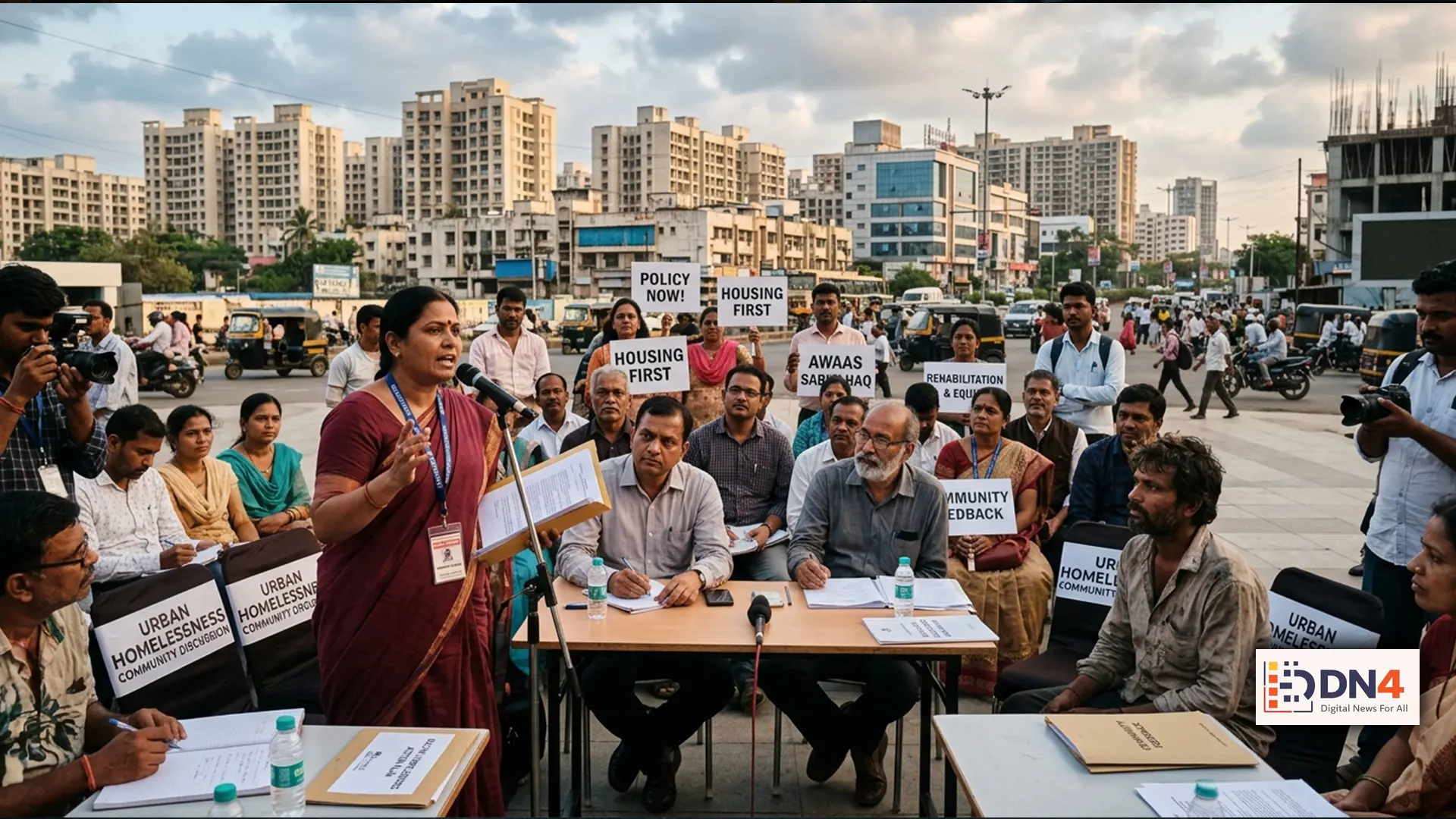
The growing homelessness crisis across the United States has sparked a difficult national debate: should governments expand the use of mandatory treatment programs for people experiencing severe mental health challenges or substance use disorders?
Supporters argue that stronger intervention could help vulnerable individuals who are unable or unwilling to seek care. Critics warn that forced treatment raises serious questions about personal freedom, medical ethics, and the rights of people experiencing homelessness.
The Growing Challenge of Homelessness
Homelessness has become one of the most visible social challenges in many American cities. Rising housing costs, limited affordable housing, healthcare access issues, and economic pressures have all contributed to the crisis.
According to the U.S. Department of Housing and Urban Development (HUD), communities across the country continue to face challenges in providing stable housing and support services for people experiencing homelessness.
What Does “Forced Treatment” Mean?
Forced treatment generally refers to situations where authorities or healthcare systems require individuals to receive mental health or addiction services under specific legal circumstances.
Policies vary significantly by state and may involve court oversight, emergency interventions, or programs designed for individuals considered a danger to themselves or others.
The Substance Abuse and Mental Health Services Administration (SAMHSA) emphasizes that effective mental health and addiction care requires accessible treatment options, community support, and long-term recovery resources.

Arguments Supporting Mandatory Intervention
Advocates of expanded intervention policies argue that some people living on the streets suffer from untreated mental illness or addiction that prevents them from accessing help voluntarily.
Supporters say government action can connect vulnerable individuals with medical care, temporary housing, and rehabilitation services before conditions become life-threatening.
Concerns About Civil Liberties
Opponents argue that forced treatment may violate individual rights and could create unintended consequences if implemented without sufficient protections.
Civil rights organizations, including the American Civil Liberties Union (ACLU), have raised concerns about balancing public safety with personal autonomy and disability rights.
Is Housing the Missing Piece?
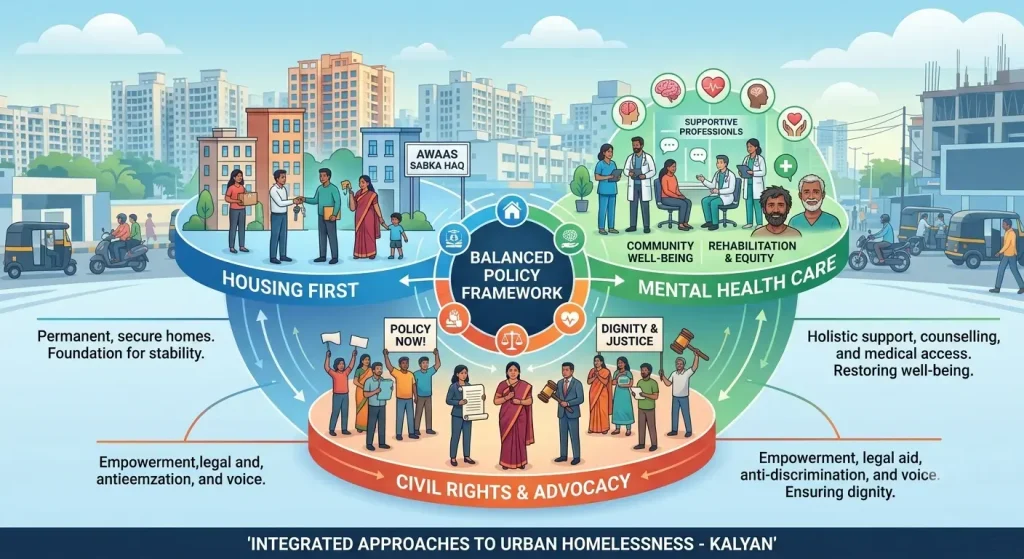
Many experts argue that treatment alone cannot solve homelessness without addressing the shortage of affordable housing. They point to “housing first” approaches, which prioritize stable housing as a foundation for recovery.
Research and guidance from organizations such as the National Alliance to End Homelessness highlight the importance of combining housing, healthcare, employment support, and social services.
The Mental Health System Challenge
Another major issue in the debate is whether communities have enough treatment capacity. Critics of mandatory programs argue that requiring treatment without adequate facilities, trained professionals, and follow-up care may not produce lasting results.
The National Institute of Mental Health notes that mental health conditions are complex and often require personalized, ongoing care.
Finding a Balanced Approach
The homelessness debate increasingly focuses on finding a balance between compassion, public safety, healthcare access, and individual rights. Experts suggest that successful strategies often involve prevention, affordable housing, voluntary treatment options, and targeted emergency interventions when necessary.
Forced treatment remains one of the most controversial ideas in the homelessness debate. While some see it as a necessary intervention for people in crisis, others argue that long-term solutions require investment in housing, healthcare access, and community-based support.
As governments consider new approaches, the challenge remains finding policies that protect both human dignity and public well-being.
#HomelessnessCrisis #MentalHealth #PublicPolicy #HousingCrisis #SocialIssues #HealthcareDebate #CivilLiberties #PolicyNews