

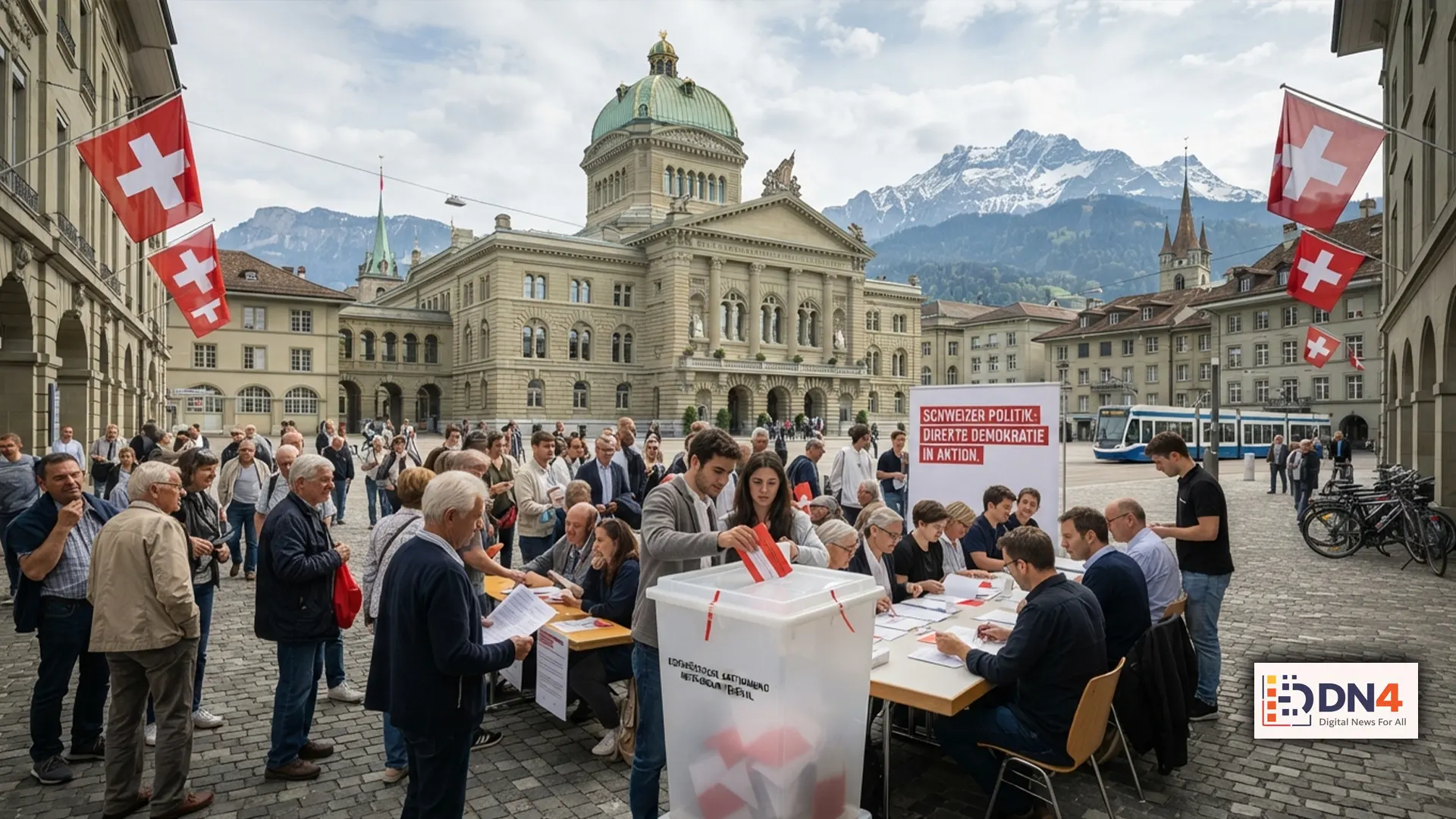
Switzerland’s popular votes continue attracting international attention because they represent one of the world’s most established examples of direct democracy. Through national referendums, Swiss citizens regularly vote on issues that can influence government policy, economic decisions, social priorities, and the country’s long-term direction.
Unlike many nations where major decisions are primarily made through elected representatives, Switzerland gives citizens a direct role in shaping national policies. Recent votes have once again highlighted the relationship between public opinion, political debate, and the future challenges facing the country.
Why Swiss Popular Votes Matter Globally
Switzerland’s direct democracy system allows citizens to participate in decision-making through initiatives and referendums. This process gives voters the ability to accept, reject, or influence major proposals.
The Swiss Confederation’s official information portal explains how citizens can participate in political processes and national votes.
This system is closely watched by political researchers because it provides insight into how public opinion shapes national policy.
The Role of Direct Democracy in Modern Switzerland
Direct democracy has been a defining feature of Swiss political culture for generations. Supporters argue that it creates stronger public involvement and government accountability.
Critics, however, point out that complex issues may require detailed policy analysis and long-term planning beyond public campaigns.
Organizations such as the Federal Department of Foreign Affairs of Switzerland highlight Switzerland’s political system and its role in international cooperation.

Key Issues Shaping Recent Votes
Swiss popular votes often focus on topics that directly affect everyday life and national priorities. Recent discussions have included areas such as:
- Economic policy and taxation
- Environmental protection and climate strategy
- Social programs and public services
- Immigration and national identity
- International cooperation
These debates reflect broader global challenges faced by many developed economies.
Economic Implications of Voter Decisions
Switzerland is known for financial stability, innovation, and a strong business environment. Political decisions made through referendums can influence investor confidence, regulatory frameworks, and economic planning.
International organizations such as the Organisation for Economic Co-operation and Development (OECD) analyze economic policies and their impact across member countries.
Businesses often closely monitor Swiss votes because policy changes can affect industries ranging from finance to technology.
Environmental and Social Questions
Climate policy, sustainability, and social issues have become increasingly important topics in Swiss political discussions. Citizens are balancing economic priorities with environmental responsibilities and quality-of-life concerns.
Research from organizations such as the United Nations highlights the global importance of sustainable development and climate action.

What These Results Mean for Switzerland’s Future
The outcomes of Swiss popular votes often reveal changing public attitudes and national priorities. They can influence political strategies, government planning, and future debates.
As Switzerland navigates challenges such as technological change, economic transformation, and environmental pressures, direct democracy will remain central to how the country responds.
Switzerland’s Democratic Model in a Changing World
The Swiss voting system continues serving as an example of citizen participation in government. While every referendum brings different outcomes, the process itself demonstrates the importance of public engagement.
Political institutions around the world continue studying Switzerland’s approach as they consider ways to strengthen democratic participation.
Switzerland’s recent popular votes provide more than immediate political results — they offer insight into the values, concerns, and priorities of Swiss citizens.
As global challenges continue evolving, Switzerland’s commitment to direct democracy will remain a significant part of its national identity and political future.
#Switzerland #SwissPolitics #DirectDemocracy #SwissReferendum #GlobalPolitics #EuropeNews #PoliticalTrends #Democracy #WorldNews