

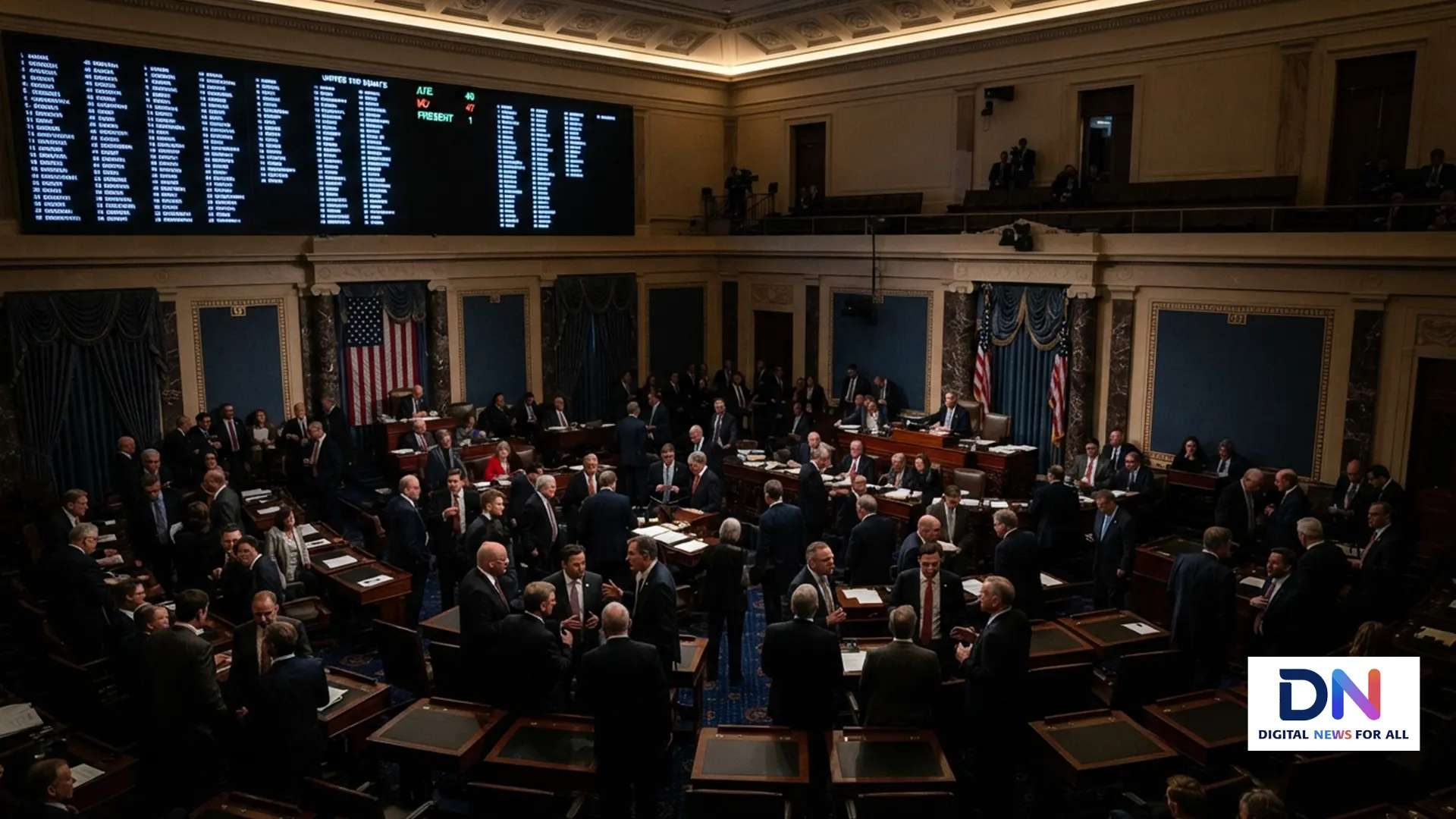
The Senate war powers vote on September 24, 2026, exposed a notable Republican split over President Donald Trump’s military policy toward Iran. The Senate rejected H.Con.Res.89 by a 49-50 vote, with four Republicans joining Democrats to support the measure.
A Narrow Vote With Bigger Implications
The resolution sought to direct the president to remove U.S. forces from hostilities with Iran under the War Powers Resolution. The official Senate roll call recorded 49 votes in favor, 50 against and one senator not voting.
Republican Senators Susan Collins, Rand Paul, Lisa Murkowski and Thom Tillis voted for the resolution. Democrat John Fetterman voted against it, meaning the measure fell one vote short of passage. Reuters reported that the vote largely followed party lines, despite those four Republican defections.
Why Some Republicans Broke Ranks
The Republican votes reflected concerns that go beyond a single procedural disagreement. Tillis said the administration had not adequately explained its strategy to lawmakers or the public. Other Republicans have also questioned the duration and direction of the conflict. The Washington Post reported that several Republicans had recently become more critical of the war.
The division is not entirely new. Earlier Senate attempts to invoke war powers regarding Iran also attracted Republican support. The Senate’s 2026 voting record shows repeated votes concerning U.S. military involvement in Iran throughout the year.
The White House Position
The White House strongly opposed H.Con.Res.89. Its September 24 statement argued that the resolution would interfere with presidential authority under Article II and could create risks for U.S. forces, allies and ongoing military operations. The administration also argued that the concurrent resolution lacked the force of law.
That legal argument is central to the dispute. The administration cited the Supreme Court’s 1983 decision in INS v. Chadha, while lawmakers supporting the resolution have continued to argue for congressional authority over military action. The U.S. Senate’s War Powers resources provide background on Congress’s statutory framework for addressing presidential use of military force.

What the Vote Actually Shows
The 49-50 result does not establish that Senate Republicans have abandoned Trump’s foreign policy. The majority of Senate Republicans opposed the resolution. However, the four Republican votes in favor demonstrate that there is disagreement within the party over how much authority the White House should exercise in the Iran conflict.
The vote therefore matters less as a simple party-line tally and more as a measure of congressional debate over war powers, presidential authority and the future of U.S. involvement in Iran. With additional war-powers measures already appearing in Congress, the issue is likely to remain part of the foreign-policy debate.
For Americans watching Washington, the key question is no longer simply whether Congress supports or opposes the administration. It is how far members of both parties are prepared to go in defining Congress’s role in decisions involving U.S. military force.
#Senate #WarPowers #Iran #USPolitics #Congress #Trump #ForeignPolicy #SenateVote #WashingtonDC