

 By Vinod Ram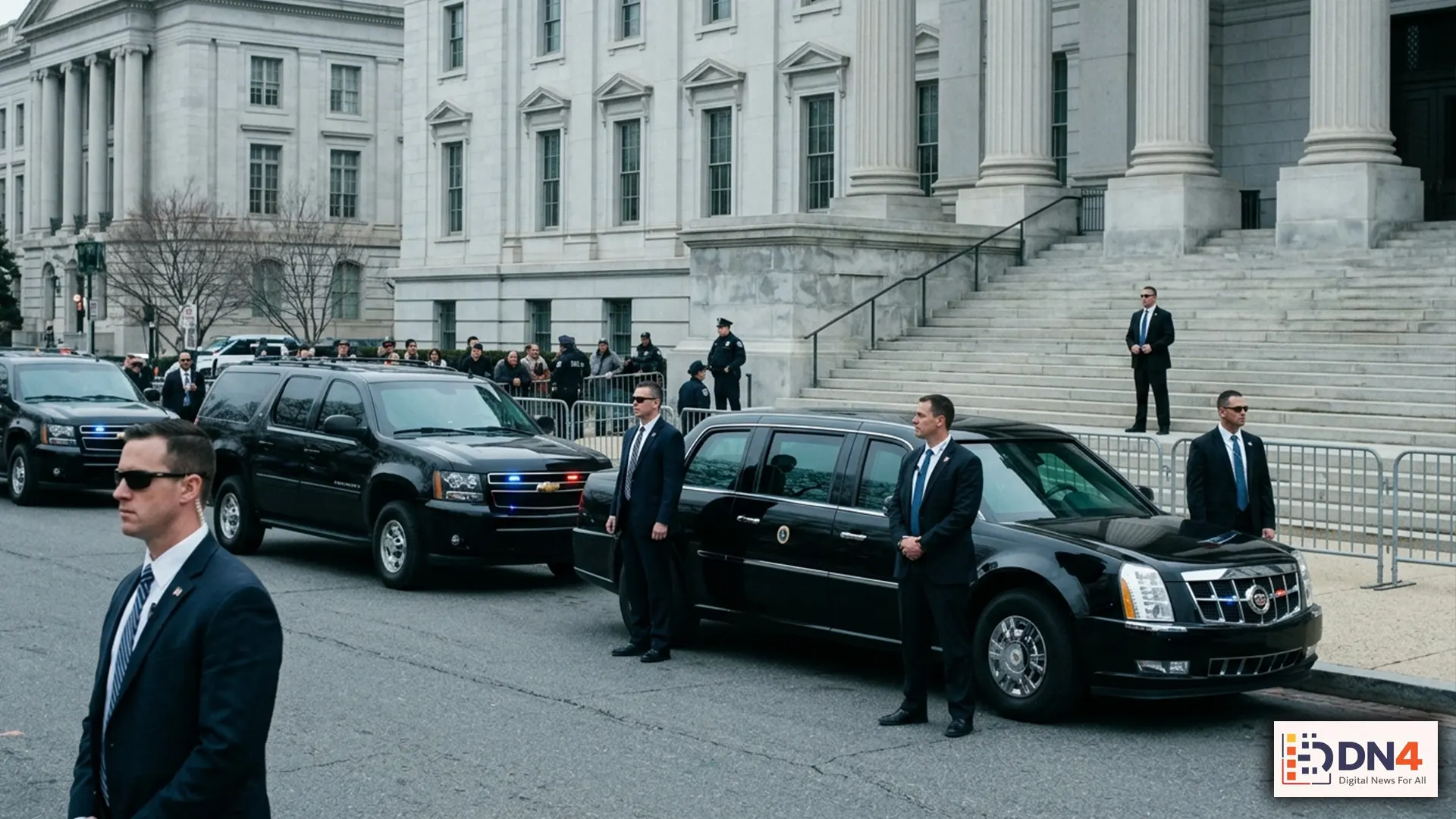
A growing political controversy in Washington is placing federal security spending under intense scrutiny. Lawmakers and watchdog groups are questioning a proposed Secret Service funding expansion that could approach $1 billion.
Critics describe the proposal as a “luxury-level” security package. Meanwhile, supporters argue the increase is necessary because modern threats are becoming more advanced in 2026.
In addition, rising political tensions and cybersecurity risks have increased pressure on federal agencies. As a result, debates over taxpayer spending are intensifying across Washington.
Why Secret Service Costs Are Rising
The United States Secret Service has taken on far more responsibilities over the past decade. Today, the agency protects current and former presidents, political candidates, foreign leaders, and major national events.
Furthermore, security experts say modern risks are more complicated than ever before. Agencies must now prepare for:
- Drone surveillance threats
- Cybersecurity attacks
- International terrorism risks
- Domestic extremist activity
- Large-scale public event security
- Advanced communications monitoring
According to the Government Accountability Office, protective operations have become increasingly expensive because technology and geopolitical threats continue evolving.
The Political Debate Intensifies
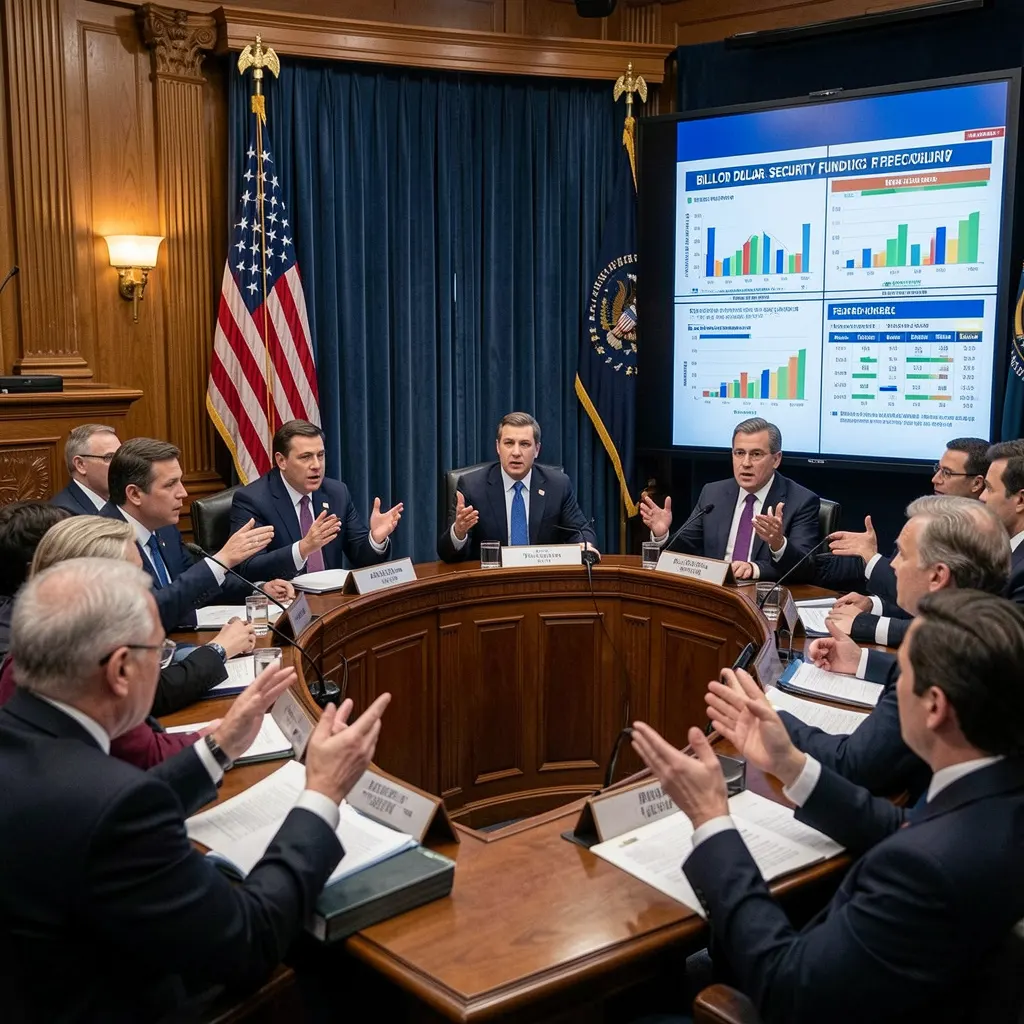
However, critics believe some spending requests go beyond essential national security needs. They argue taxpayers should not fund excessive executive-level protection during a period of inflation and economic pressure.
On the other hand, supporters warn that underfunding security agencies could create dangerous vulnerabilities. Consequently, both political parties are now divided over how much protection funding is truly necessary.
Reports from Politico suggest the funding debate could become a major campaign issue ahead of the 2026 election cycle.
The Politics Behind the Debate
The funding dispute arrives during a period of heightened scrutiny over federal spending, inflation concerns, and public frustration regarding government accountability.
Some lawmakers argue security agencies cannot afford underinvestment at a time when political violence and global instability remain major risks.
Others believe Washington increasingly approves large-scale spending packages with limited transparency or long-term oversight.
Analysts from the Brookings Institution note that security spending debates often become politically sensitive because they involve balancing public safety with taxpayer accountability.
The Expanding Cost of Modern Protection
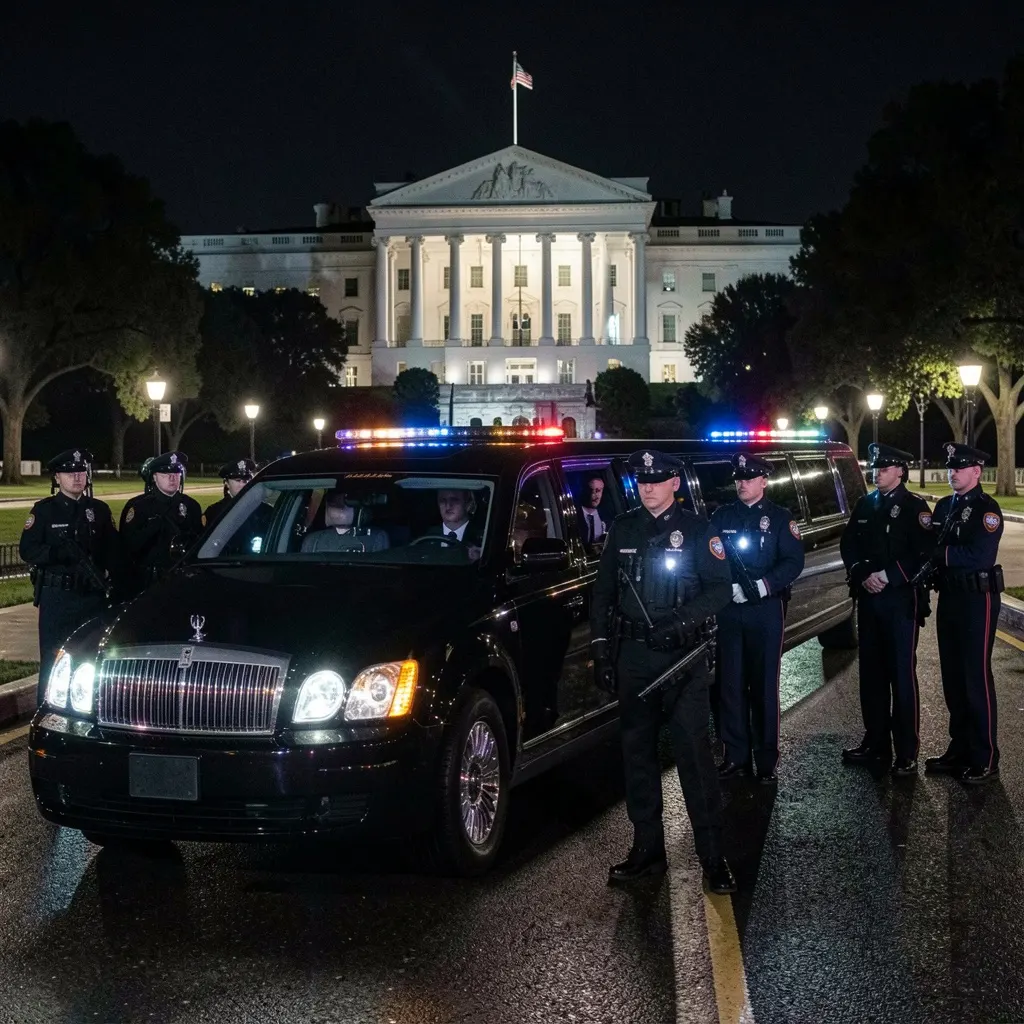
Presidential and federal protection operations have evolved dramatically since the early 2000s. Large-scale travel logistics, advanced threat detection systems, cybersecurity monitoring, and global intelligence coordination now require enormous financial and operational resources.
Security planning for modern political events often involves coordination between:
- Federal law enforcement agencies
- Local police departments
- Cybersecurity units
- Military support systems
- International intelligence partners
Research from Council on Foreign Relations suggests governments worldwide are increasing spending on protective infrastructure as digital and physical security threats continue converging.
Public Reaction and Taxpayer Concerns
Public opinion surrounding the funding proposal remains divided. Some Americans view enhanced protection funding as essential in an era of rising instability and political polarization.
Others argue that billion-dollar security expenditures highlight growing disconnects between political elites and ordinary taxpayers dealing with inflation, housing costs, and economic pressure.
Social media discussions have increasingly framed the issue as part of a broader debate over government transparency and federal spending priorities.
What Happens Next?
Congressional negotiations over the security package are expected to continue in the coming months as lawmakers review budget allocations and oversight mechanisms.
The outcome could influence not only federal security operations but also broader conversations surrounding public trust, government accountability, and the future cost of protecting political institutions in the digital age.
As the debate intensifies, one issue remains central: how much should governments spend to protect leadership in an increasingly unpredictable world?
#SecretService #GovernmentSpending #Politics #WashingtonDC #FederalBudget #TaxpayerMoney #USPolitics #SecurityCosts #PoliticalNews