

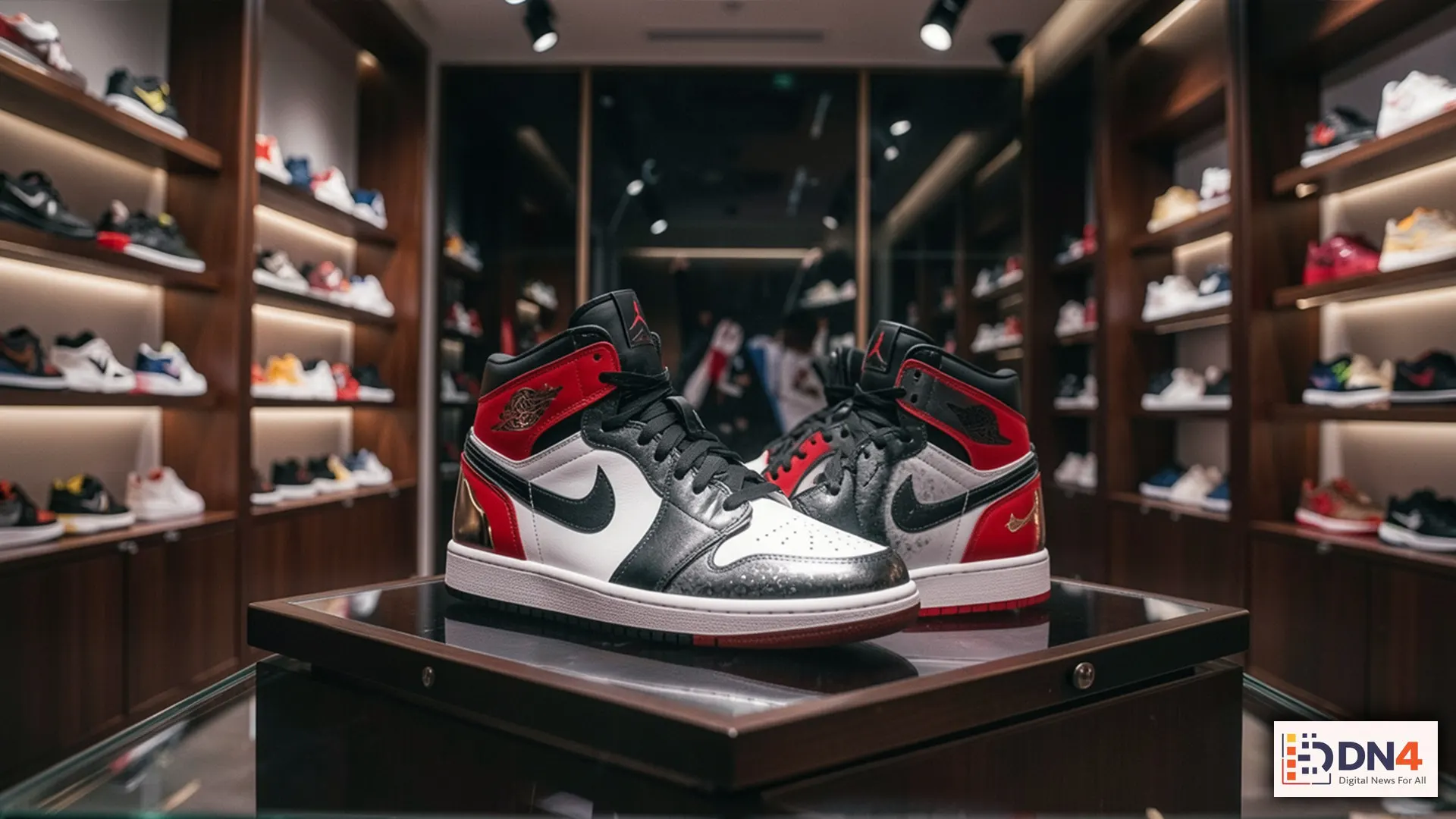
As global retail markets continue facing economic pressure, shifting consumer habits, and slowing discretionary spending, one brand continues outperforming expectations: Jordan Brand.
The iconic Jumpman label, owned by Nike, has evolved far beyond basketball footwear into a billion-dollar cultural powerhouse spanning fashion, sports, music, and luxury streetwear.
While many retailers struggle with inventory surpluses and declining foot traffic in 2026, Jordan Brand’s premium positioning continues generating strong demand, high resale value, and extraordinary consumer loyalty worldwide.
Why Jordan Brand Is Different
Unlike traditional sportswear companies competing heavily on discounts and mass-market volume, Jordan Brand operates with a carefully controlled premium strategy built around scarcity, exclusivity, and cultural influence.
Limited product drops, collaborations, and selective distribution have helped maintain the brand’s high perceived value for decades.
According to analysis from Business of Fashion, premium lifestyle brands with strong emotional identity often outperform broader retail sectors during economic slowdowns because loyal consumers continue prioritizing aspirational purchases.
The Power of Sneaker Culture
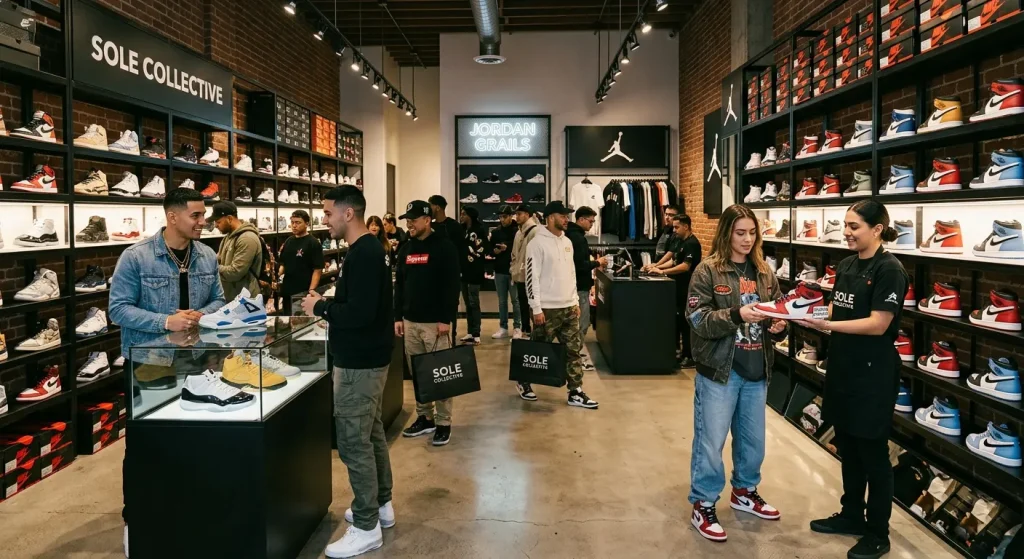
Jordan Brand’s success is deeply tied to the global rise of sneaker culture, which transformed athletic footwear from functional apparel into collectible fashion and status symbolism.
What began with Michael Jordan’s dominance in basketball evolved into a global subculture driven by:
- Limited-edition sneaker releases
- Celebrity collaborations
- Streetwear fashion trends
- Social media hype cycles
- Resale marketplaces
- Music and entertainment influence
Platforms such as StockX and GOAT helped transform sneakers into investment-driven lifestyle assets with resale economies worth billions globally.
Scarcity Creates Demand
One of Jordan Brand’s biggest advantages is controlled scarcity. Rather than flooding the market with unlimited inventory, the company strategically limits product availability to maintain exclusivity and consumer excitement.
This approach not only protects pricing power but also reinforces the perception that Jordan products remain culturally valuable and difficult to obtain.
Retail analysts from Forbes have repeatedly highlighted scarcity marketing as one of the most effective strategies in modern luxury and streetwear branding.
Beyond Basketball: The Lifestyle Expansion
Jordan Brand’s modern identity extends far beyond sports performance. Today, the brand operates at the intersection of:
- Luxury streetwear
- Hip-hop culture
- Fashion collaborations
- Global sports marketing
- Celebrity influence
- Youth identity branding
Collaborations with designers, musicians, and athletes continue strengthening the brand’s relevance among younger audiences who increasingly view sneakers as part of personal identity and social status.
Fashion publications like Highsnobiety have documented how sneaker culture now overlaps heavily with luxury fashion and modern digital lifestyle trends.
Why Premium Consumers Keep Spending
Economic slowdowns often impact middle-market retail brands hardest because consumers reduce discretionary purchases or seek cheaper alternatives.
Premium brands, however, frequently maintain stronger resilience because their customer base is driven less by necessity and more by identity, exclusivity, and emotional connection.
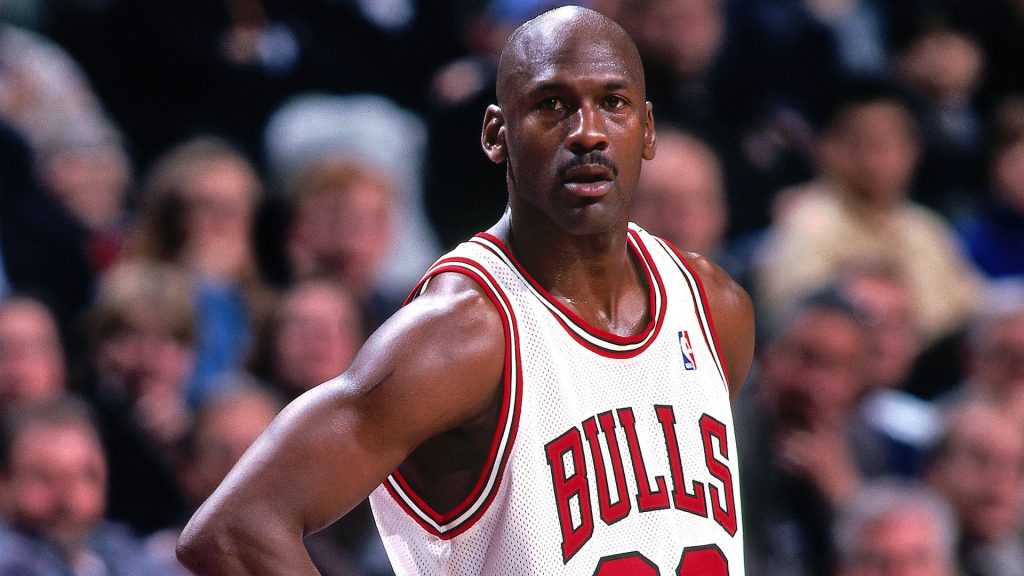
Jordan Brand benefits from decades of cultural mythology surrounding Michael Jordan himself — widely regarded as one of the greatest athletes in sports history.
Research from McKinsey & Company shows that premium consumer segments often remain surprisingly stable during uncertain economic conditions, especially in categories connected to status and self-expression.
The Future of the Jumpman Empire
As global retail continues evolving toward digital commerce, creator-driven branding, and community-focused marketing, Jordan Brand appears uniquely positioned to thrive.
Its blend of nostalgia, exclusivity, athletic legacy, and fashion relevance gives it an advantage few competitors can replicate.
Industry experts believe future growth could increasingly come from:
- Luxury collaborations
- Global streetwear expansion
- Digital collectibles and virtual fashion
- Direct-to-consumer online sales
- Emerging international markets
More than 40 years after the original Air Jordan launch, the Jumpman logo remains one of the most powerful symbols in global sportswear and fashion culture.
In a struggling retail environment, Jordan Brand’s premium strategy may prove that exclusivity and cultural identity are stronger than economic headwinds.
#JordanBrand #SneakerCulture #Nike #AirJordan #Streetwear #RetailNews #LuxuryFashion #Sneakers #BusinessNews