

 By Vinod Ram
The United States Supreme Court has once again placed reproductive healthcare at the center of national debate, issuing a closely watched ruling involving the mail-order distribution of abortion medication. The decision could significantly influence healthcare access, telemedicine policies, and reproductive rights across the country.
The case focused on the legality and regulation of mifepristone, one of the most widely used abortion medications in the United States. Medical organizations and legal experts say the ruling may affect millions of women who rely on remote healthcare services for reproductive care.
According to the United States Supreme Court, the case addressed challenges surrounding federal approval standards, mail delivery policies, and access to abortion medication through telemedicine providers.
What Is the Abortion Pill?
The abortion pill commonly refers to a two-drug medication process involving mifepristone and misoprostol. The treatment is approved by the U.S. Food and Drug Administration (FDA) and has become a major part of reproductive healthcare in America.
- Mifepristone blocks pregnancy-supporting hormones
- Misoprostol helps complete the process
- Telemedicine services expanded access during the pandemic
- Mail-order prescriptions increased significantly nationwide
Healthcare advocates argue mail-order access has become especially important for women living in rural areas or states with limited clinic availability.

Why the Supreme Court Ruling Matters
The Supreme Court’s latest ruling does not fully end the legal fight over abortion medication, but it could shape how federal agencies regulate healthcare access moving forward.
Legal analysts from SCOTUSblog say the decision may strengthen the authority of federal agencies like the FDA while also influencing future lawsuits involving telemedicine and prescription drug distribution.
Supporters of expanded access argue the ruling protects patient privacy and modern healthcare delivery. Critics, however, continue raising concerns about safety oversight, state-level authority, and long-term abortion policy.
The Rise of Telemedicine Healthcare
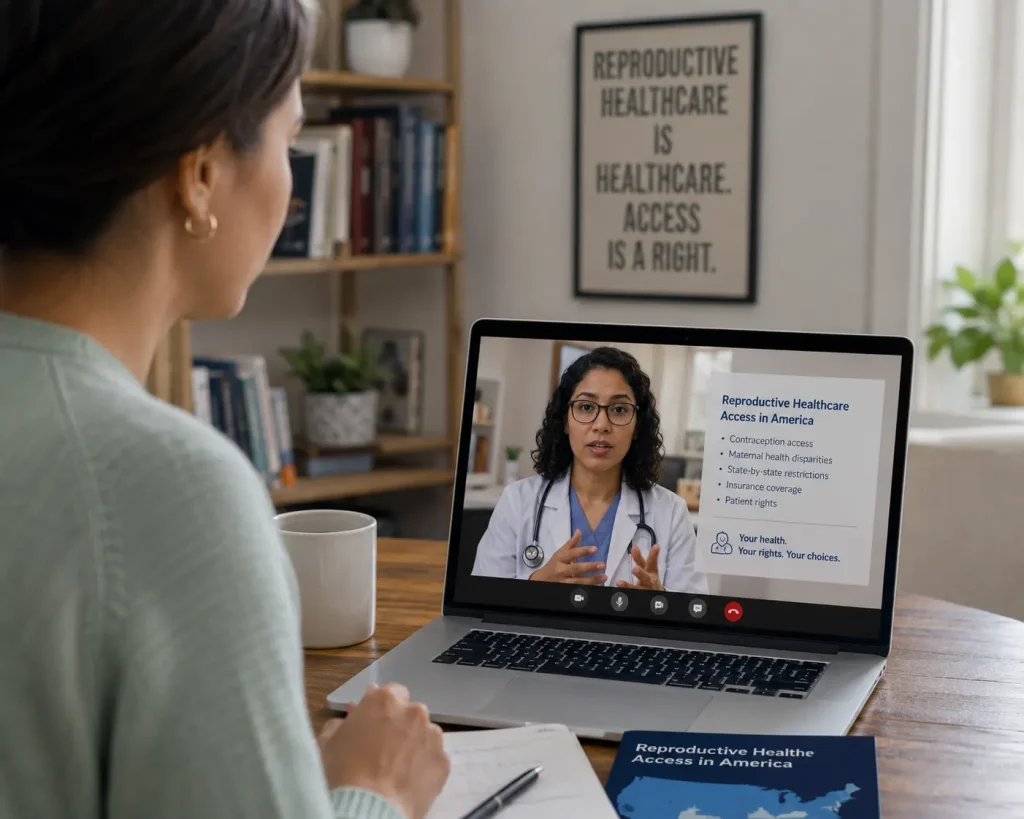
The case highlights the growing importance of telemedicine in the American healthcare system. Since the COVID-19 pandemic, millions of patients have increasingly relied on online medical consultations and mail-order prescriptions.
Data from the Centers for Disease Control and Prevention shows telehealth adoption surged nationwide, transforming how patients access healthcare services.
Reproductive healthcare has become one of the most politically sensitive areas of telemedicine expansion, especially after the Supreme Court overturned Roe v. Wade in 2022.
Political and Legal Reactions
The ruling immediately triggered reactions from advocacy organizations, healthcare providers, and political leaders on both sides of the abortion debate.
Groups supporting reproductive rights praised the decision as a safeguard for healthcare accessibility, while conservative legal organizations vowed to continue pursuing restrictions through state courts and legislatures.
Policy researchers at the Kaiser Family Foundation note that state-level abortion laws are likely to remain highly fragmented, creating ongoing legal uncertainty for providers and patients.
What Happens Next?
Although the latest Supreme Court ruling offers temporary legal clarity regarding mail-order abortion medication, future legal battles are almost certain. State legislatures, federal agencies, and healthcare providers are expected to continue testing the boundaries of reproductive healthcare regulation.
For millions of Americans, the debate is no longer just about politics — it is about access to healthcare, digital medicine, and personal medical decisions in an increasingly divided legal landscape.
#SupremeCourt #AbortionPill #ReproductiveRights #HealthcareLaw #Mifepristone #Telemedicine #USPolitics #LegalNews
 vinodkram