

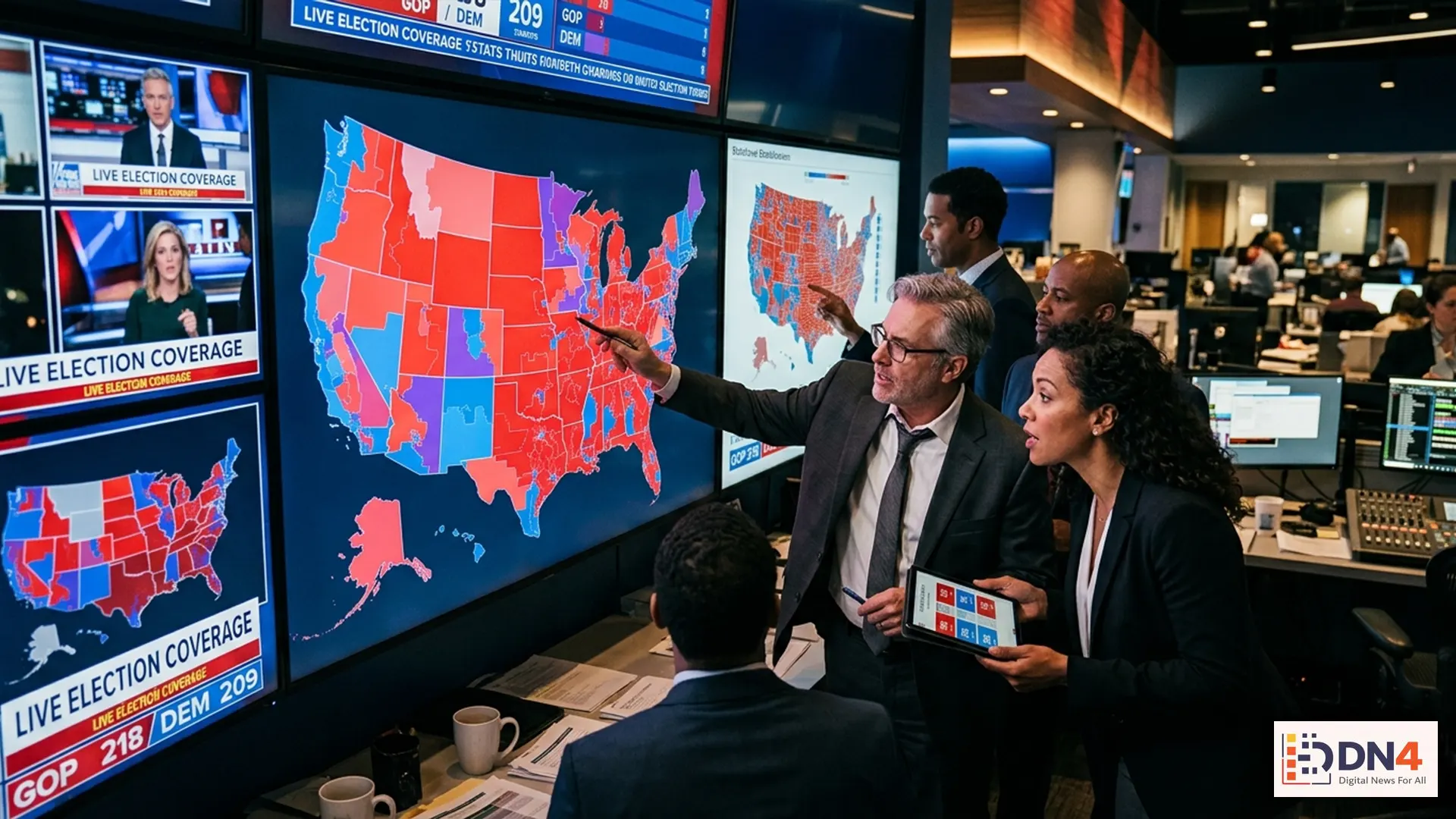
Across the United States, a fierce political struggle is unfolding behind closed doors, in courtrooms, and inside state legislatures. The battle over electoral maps — often referred to as redistricting — is rapidly becoming one of the most consequential fights shaping the future of American democracy.
As population shifts, migration trends, and political polarization intensify, lawmakers from both major parties are racing to redraw congressional and state voting districts ahead of upcoming elections. Critics argue the process is increasingly driven by partisan advantage rather than fair representation.
According to the Brennan Center for Justice, redistricting battles have become central to modern election strategy, with legal disputes over district boundaries surging nationwide.
Why Electoral Maps Matter
Electoral maps determine how communities are grouped into voting districts. These boundaries directly influence which political party has an advantage in local, state, and federal elections.
- Congressional representation
- State legislature control
- Voter influence and turnout
- Minority representation
- Future policy direction
The process traditionally follows the national census, but recent demographic changes and court rulings have accelerated political efforts to redraw districts in key battleground states.
The Growing Gerrymandering Debate
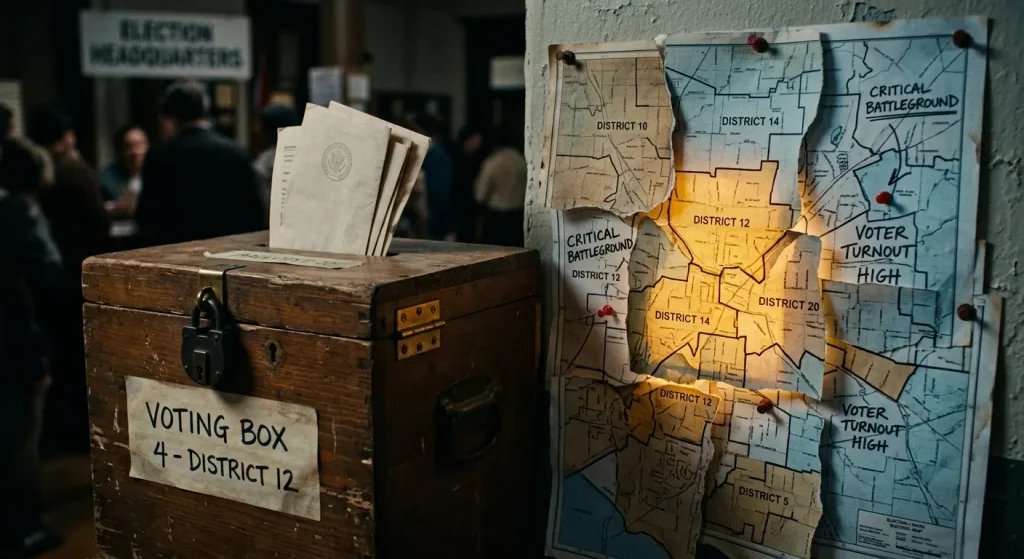
One of the most controversial aspects of redistricting is gerrymandering — the practice of drawing district boundaries to favor one political party over another. Opponents argue that heavily manipulated maps weaken voter representation and distort democratic outcomes.
Organizations such as the Common Cause advocacy group continue pushing for independent redistricting commissions to reduce political interference in map drawing.
Meanwhile, election experts at Pew Research Center warn that public trust in election systems may decline if voters perceive district boundaries as unfairly manipulated.
Technology Is Changing Political Strategy
Modern political campaigns now use advanced data analytics, artificial intelligence, and voter behavior modeling to design highly targeted electoral districts. Sophisticated mapping software allows strategists to predict voting trends with remarkable precision.
According to reporting from Reuters, both parties are investing heavily in legal teams and digital voter mapping tools as election competition intensifies.
Why Voters Should Pay Attention
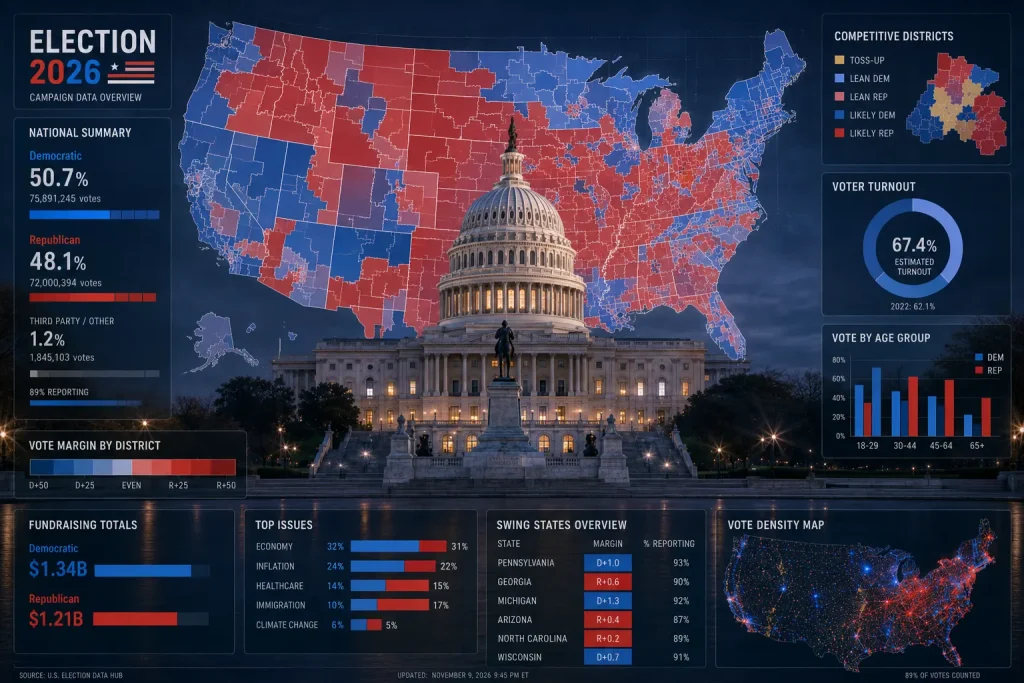
Many voters focus on candidates during election season, but district boundaries can be just as influential as the campaigns themselves. In some regions, redistricting could reshape political power for the next decade.
Election law analysts at the American Civil Liberties Union argue that fair district representation remains critical to protecting equal voting rights and maintaining democratic legitimacy.
Legal battles over maps are already unfolding in multiple states, with courts expected to play a major role in deciding whether proposed districts comply with constitutional protections and federal voting laws.
The battle over electoral maps reflects a broader struggle about political power, representation, and public trust in democratic institutions. As election cycles grow increasingly competitive, the fight to shape district boundaries may become one of the defining political stories of the decade.
#ElectoralMaps #Redistricting #VotingRights #Democracy #USElections #Gerrymandering #PoliticalNews #Election2026