

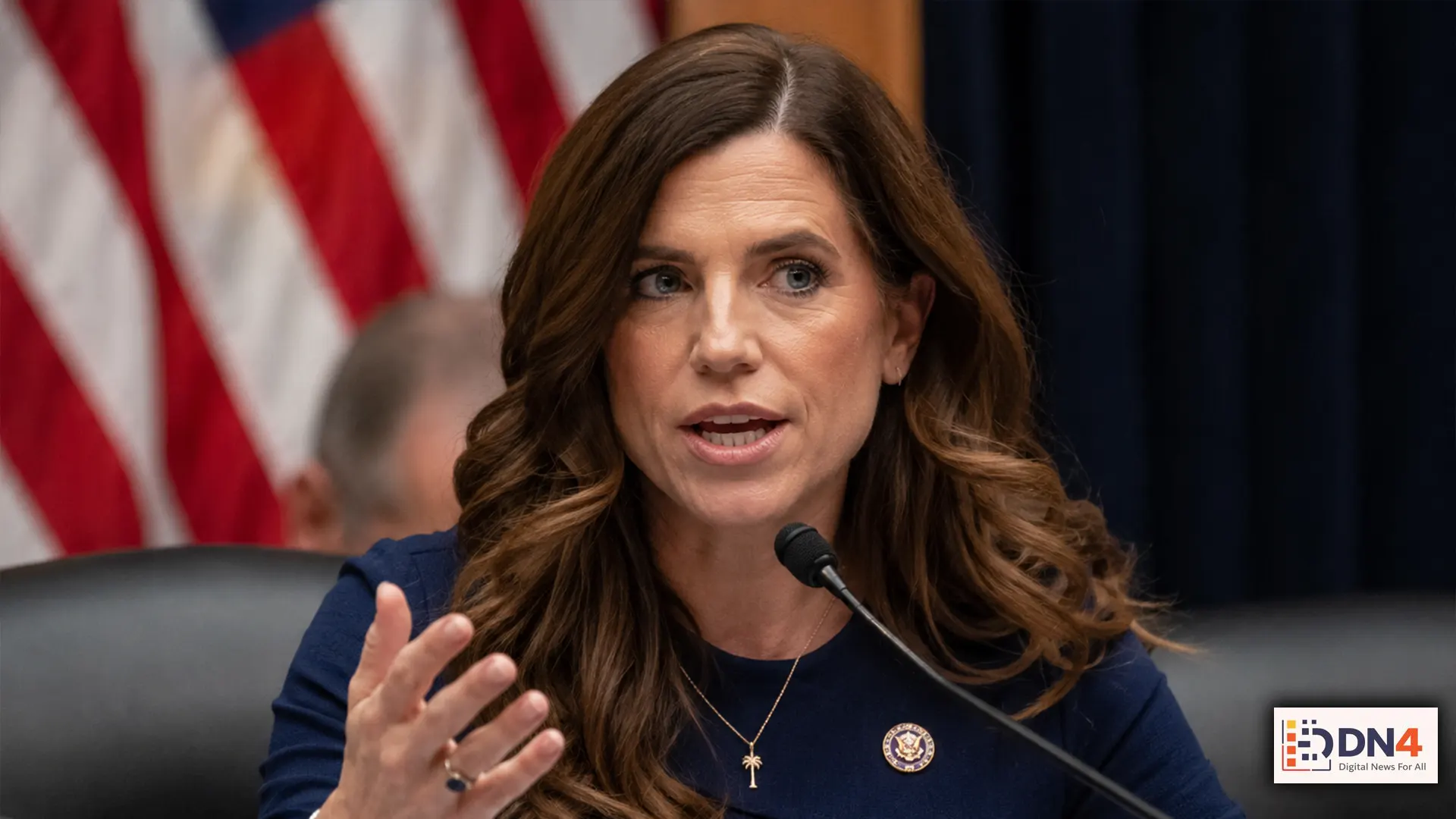
The annual National Defense Authorization Act (NDAA) remains one of Congress’s most consequential pieces of legislation, shaping military policy, defense priorities, and national security initiatives. During the Fiscal Year 2027 (FY27) NDAA markup process, Congresswoman Nancy Mace emerged as one of the lawmakers highlighting a series of legislative victories tied to military readiness, infrastructure investments, and defense innovation.
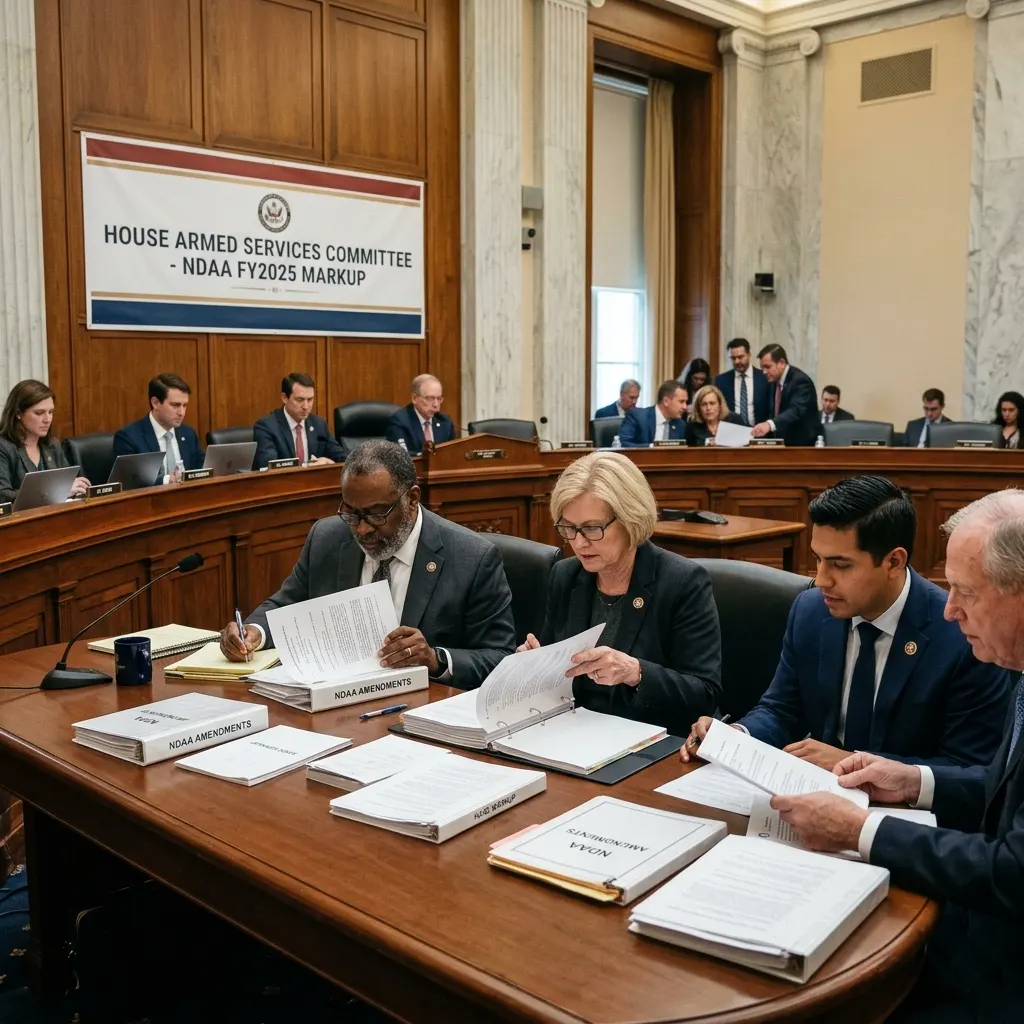
The FY27 NDAA, formally introduced as H.R. 8800, moved through the House Armed Services Committee during a high-profile markup session that included debate over defense spending, military modernization, personnel policies, and strategic priorities. The committee officially marked up the legislation on June 4, 2026.
Why the NDAA Matters
For more than six decades, Congress has passed an annual NDAA to authorize defense programs and establish policy guidance for the Department of Defense. The legislation affects everything from military pay and housing to weapons procurement and emerging technologies.
The FY27 version places significant emphasis on military readiness, defense modernization, innovation, and support for service members and their families.
Mace’s Strategy During Markup
As a member of Congress representing South Carolina’s First District, Mace focused much of her NDAA effort on provisions affecting military installations, defense research, and service members connected to her state.
Ahead of the committee markup, Mace announced that she had secured several provisions in the base text of the FY27 NDAA benefiting South Carolina military facilities, including support for Joint Base Charleston, Naval Hospital Beaufort, military housing initiatives, and defense-related research programs.
Key Areas of Legislative Success
According to statements released by Mace’s office, several priorities advanced during the NDAA process:
- Support for military infrastructure projects
- Investments tied to Joint Base Charleston
- Military family and housing-related provisions
- Defense research and technology initiatives
- National security modernization efforts
- Programs aimed at strengthening military readiness
Mace argued that these measures would strengthen both national defense capabilities and South Carolina’s role within the broader defense ecosystem.
The Broader Political Landscape
NDAA markups often involve hundreds of amendments and extensive bipartisan negotiations. Success frequently depends not only on policy proposals but also on coalition-building, committee relationships, and strategic timing.
The FY27 markup reflected the committee’s long-standing bipartisan tradition of advancing defense legislation while also featuring debates over emerging technologies, force structure, personnel policies, and international security partnerships. :contentReference[oaicite:4]{index=4}
Defense Modernization Remains a Central Theme
One of the most significant trends in recent NDAA cycles has been the focus on modernization. Congress continues to prioritize investments in cybersecurity, artificial intelligence, autonomous systems, advanced manufacturing, and next-generation defense capabilities.
Committee leaders described the FY27 NDAA as part of a broader effort to strengthen America’s defense industrial base and maintain technological competitiveness.
What Happens Next?
Following committee approval, the NDAA moves through additional legislative stages, including House consideration, Senate deliberations, and eventual conference negotiations if differences between versions must be reconciled.
Because the NDAA is considered must-pass legislation, provisions included during committee markup often receive heightened attention throughout the remainder of the legislative process. However, specific language can still change before final enactment.
Looking Ahead
For Nancy Mace, the FY27 NDAA markup provided an opportunity to advance priorities connected to military readiness, infrastructure, and defense innovation. Whether all of those provisions ultimately survive the full legislative process remains to be seen, but the markup phase demonstrated the importance of committee work in shaping national defense policy.
As Congress continues debate over defense spending and security priorities, lawmakers like Mace will remain closely involved in determining how military resources are allocated and how future defense challenges are addressed.
Frequently Asked Questions
What is the FY27 NDAA?
The Fiscal Year 2027 National Defense Authorization Act is the annual defense policy bill. It authorizes military programs and establishes Department of Defense priorities.
What committee handles the NDAA?
The House Armed Services Committee is responsible for drafting and marking up the House version of the NDAA.
What were Nancy Mace’s priorities?
Her stated priorities included military infrastructure, service member support, defense innovation, research funding, and investments benefiting South Carolina military installations.
#NancyMace #NDAA #FY27NDAA #DefensePolicy #Congress #USPolitics #NationalSecurity #HouseArmedServices #MilitaryNews #LegislativeNews