

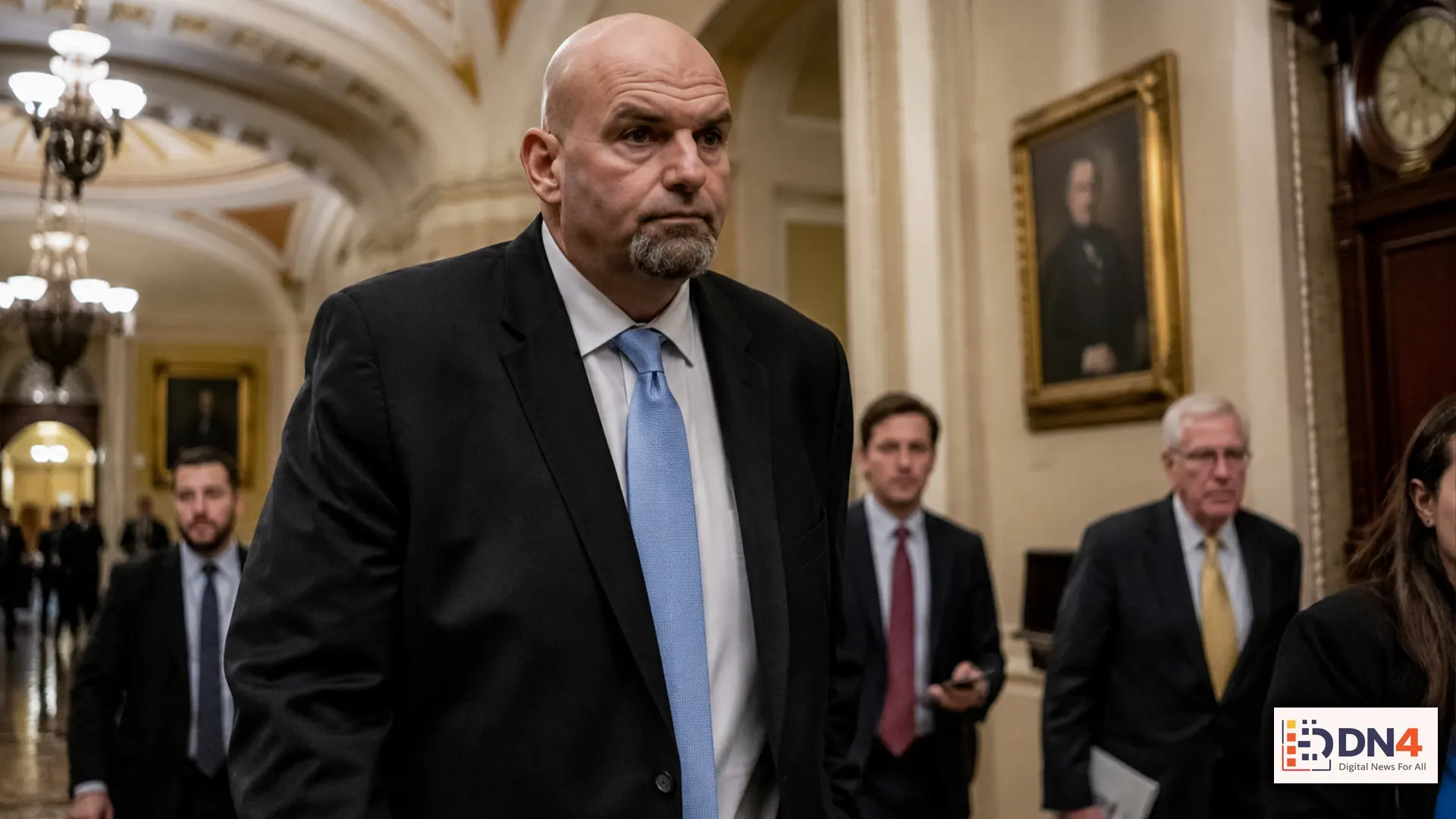
In an era of increasing political polarization, lawmakers who depart from party orthodoxy often attract significant attention. Among Democrats in Washington, few figures have generated more discussion in recent years than Senator John Fetterman of Pennsylvania.
Known for his unconventional style and willingness to challenge expectations, Fetterman has occasionally taken positions that differ from those held by many members of his party. These decisions have fueled debate among political observers, supporters, and critics alike, leading some commentators to describe him as a political “maverick.”
A Different Kind of Democrat
Since entering national politics, Fetterman has cultivated an image as a politician focused on practical concerns rather than ideological labels. His political identity has often emphasized working-class issues, economic opportunity, and public safety.
That approach has sometimes led him to support policies that do not fit neatly within traditional partisan frameworks.
Political analysts frequently note that lawmakers representing politically competitive states often face pressure to balance national party priorities with the views of their constituents.
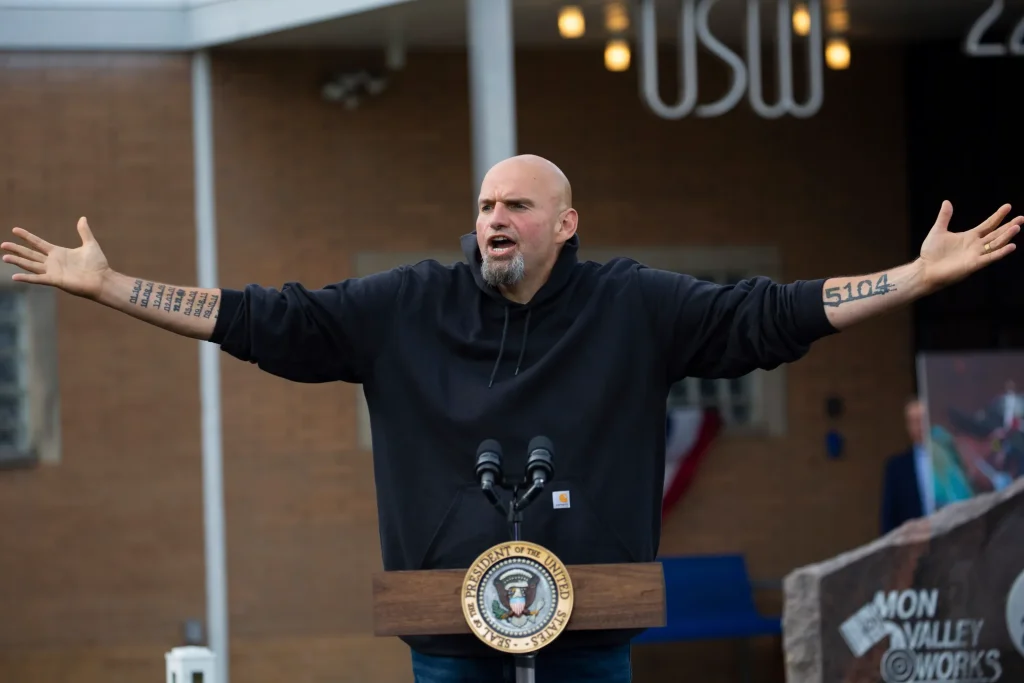
The Pennsylvania Factor
Pennsylvania remains one of the most closely watched battleground states in American politics. Voters in the state often display diverse political preferences, making electoral success dependent on appealing to a broad coalition.
For elected officials, that reality can encourage a more independent approach to policymaking.
Organizations such as the Pew Research Center have documented growing political diversity within key swing states, where voters may prioritize economic and local issues over strict party loyalty.
Policy Areas Where Differences Have Emerged
Fetterman has occasionally attracted headlines for positions that differ from some Democratic colleagues on issues such as:
- Border security and immigration enforcement
- Public safety and law enforcement policy
- Foreign policy and national security matters
- Energy and industrial development
- Certain bipartisan legislative negotiations
While these positions do not necessarily place him outside the Democratic Party’s broader agenda, they have contributed to a reputation for independence.
The Rise of Political Pragmatism
Some observers argue that Fetterman’s voting record reflects a pragmatic approach rather than ideological opposition. In this view, lawmakers increasingly face pressure to address practical governance challenges while navigating complex political realities.
Supporters often contend that independent decision-making can strengthen democratic institutions by encouraging debate and compromise.
Critics, however, argue that breaking with party positions may complicate efforts to advance broader legislative priorities.
How Voters View Independence
Public opinion research consistently shows that many Americans value elected officials who appear willing to think independently. At the same time, voters often expect representatives to remain aligned with core campaign commitments.
The balance between independence and party unity remains one of the defining challenges of modern political leadership.
Research published by institutions such as The Brookings Institution and Council on Foreign Relations frequently highlights how shifting voter expectations continue to reshape American politics.
What It Means for the Democratic Party
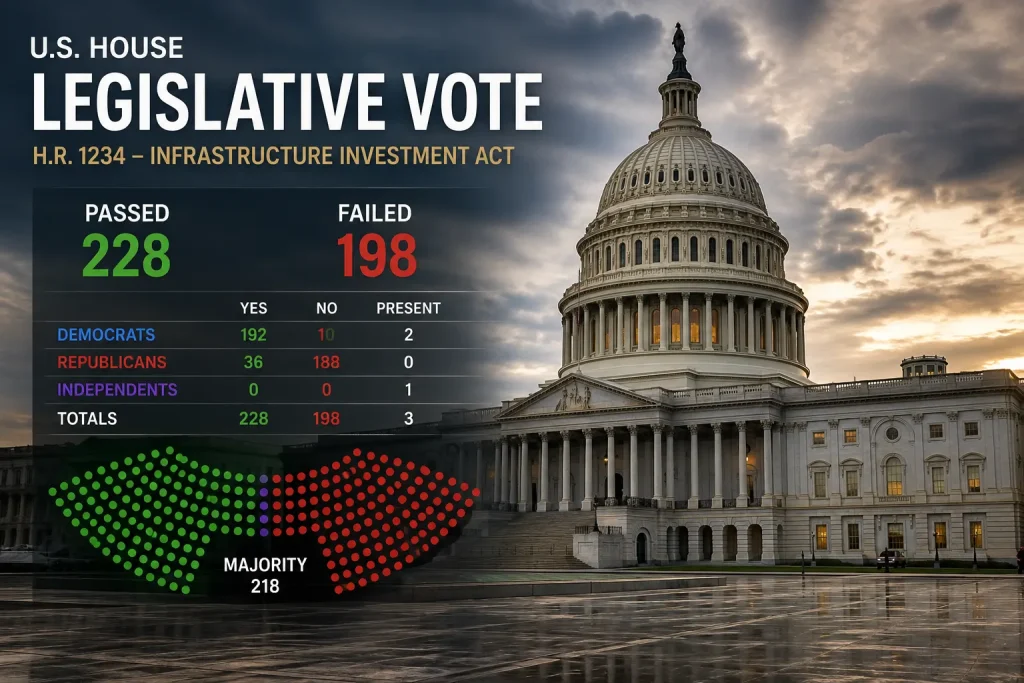
The Democratic Party includes a wide range of ideological perspectives, from progressive activists to moderate centrists. Figures like Fetterman illustrate the challenges and opportunities that come with maintaining a broad political coalition.
Debates within the party often reflect differing views on how best to achieve shared goals while remaining competitive in diverse regions of the country.
Looking Ahead
As major policy debates continue in Washington, Fetterman’s role is likely to remain closely watched. His willingness to occasionally break ranks has made him one of the more distinctive voices in the Senate.
Whether viewed as a pragmatic independent thinker or a controversial outlier, his political approach reflects broader conversations about representation, party identity, and governance in modern America.
For voters and political observers alike, the key question may not be whether Fetterman breaks with his party, but why—and how those decisions shape the future of American politics.
Frequently Asked Questions
Who is John Fetterman?
John Fetterman is a United States Senator representing Pennsylvania and a member of the Democratic Party.
Why is he described as a maverick Democrat?
Some commentators use the term because he has occasionally taken positions that differ from those of many Democratic lawmakers.
Does Fetterman vote against his party on every issue?
No. While he has differed on certain issues, he continues to support many Democratic policy priorities.
#JohnFetterman #USPolitics #Democrats #Senate #Pennsylvania #PoliticalNews #Congress #BipartisanPolitics #CurrentAffairs #PolicyDebate