

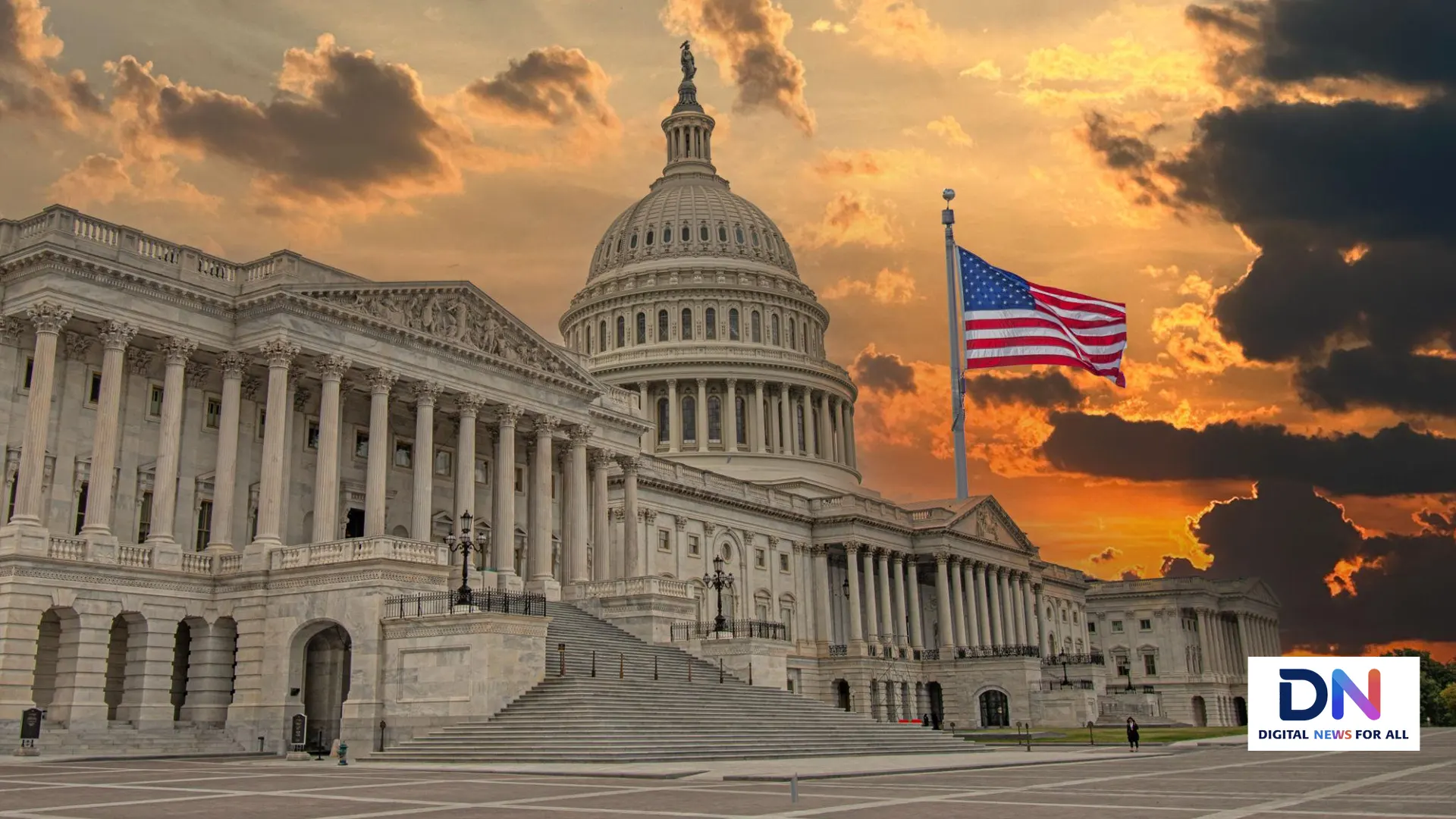
The 40 trillion debt milestone has placed America’s fiscal future under renewed scrutiny as voters approach the November 3, 2026, midterm elections. The national debt is not just a Washington accounting figure. It raises questions about government borrowing, interest costs, taxes and the money available for public services.
What Does $40 Trillion Actually Mean?
In October 2026, gross federal debt passed $40 trillion. The Joint Economic Committee’s debt update reported gross debt of $40.25 trillion on October 5. This total includes debt held by investors and debt held in government accounts, such as federal trust funds.
The U.S. Treasury’s Debt to the Penny database tracks daily changes in outstanding federal debt. Economists also examine debt held by the public because it provides a different perspective on government borrowing and its relationship with financial markets.

The Debt Ceiling Is a Separate Issue
The debt ceiling limits how much the federal government can borrow to meet existing legal obligations. It does not directly authorize new spending. Congress can change the borrowing limit, while annual budget decisions determine taxes, spending and the resulting deficit.
The Congressional Budget Office’s 2026 budget outlook says the statutory debt limit was set at $41.1 trillion in 2025. It projects a $1.9 trillion federal deficit for fiscal year 2026 and public debt rising to 120% of gross domestic product by 2036 under its baseline assumptions.
Why Interest Costs Matter to Households
Borrowing has a price. As debt grows and existing securities mature, the government must pay interest at prevailing rates when it refinances. Higher interest costs can put additional pressure on future budgets and compete with other spending priorities.
The Peter G. Peterson Foundation’s October fiscal confidence report found that 92% of surveyed voters were concerned about the national debt’s effect on inflation and living costs. That finding reflects voter concern, not proof that debt alone causes higher prices.
Associated Press reporting on key economic indicators also highlights the mix of inflation, borrowing costs and employment trends confronting voters. The effects of debt depend on interest rates, economic growth, tax receipts and policy choices.

What Voters Should Ask Candidates
As campaigns debate the economy, voters can look beyond slogans and ask how proposals would affect deficits over time. Relevant questions include whether candidates would change taxes, modify spending, reform major benefit programs or pursue policies intended to increase economic growth.
The CBO’s budget projections provide a useful starting point for comparing the long-term consequences of fiscal choices. No single policy automatically resolves the debt challenge, and projections can change as legislation and economic conditions change.
The bottom line: America’s $40 trillion debt is a measurable fiscal challenge, but the debt ceiling is a separate legal limit. For voters, the practical test is whether candidates explain credible plans for borrowing, interest costs, revenue and spending—and clearly identify the trade-offs those plans involve.
#USNationalDebt #DebtCeiling #FederalDeficit #USEconomy #Midterms2026 #FiscalPolicy #EconomicNews #WashingtonDC