


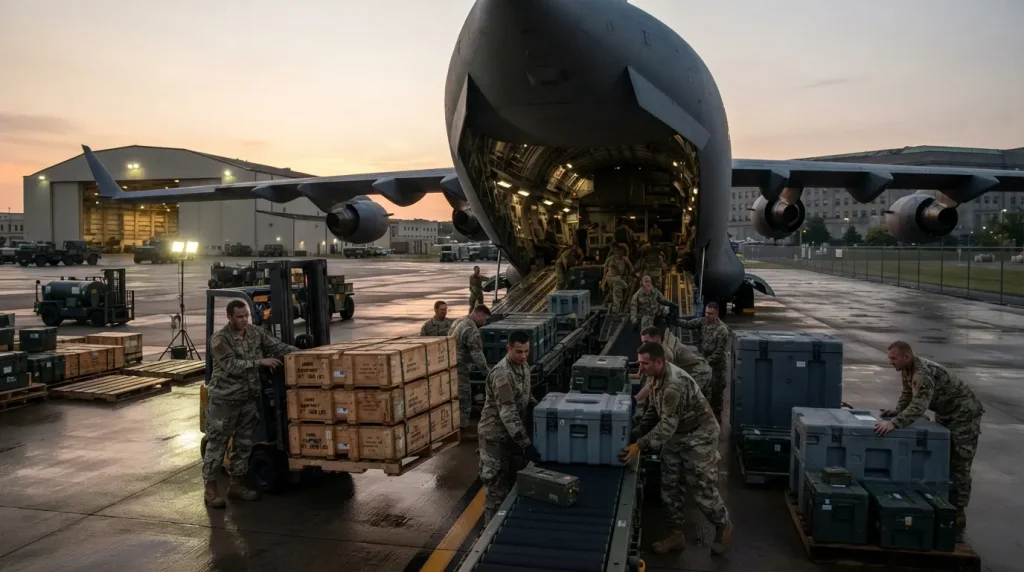
The Iran conflict cost has become a major economic and political issue as the United States approaches the 2026 midterm elections. A new Congressional Budget Office (CBO) assessment estimates that the Department of Defense had spent approximately $38 billion on combat operations through August 1, 2026.
The figure covers ammunition and equipment replacement, increased flying hours, operations, logistics and fuel. It does not represent the conflict’s complete economic cost. CBO says additional federal expenses, borrowing costs and other consequences could increase the overall tab.
Why the $38 Billion Figure Matters
The Congressional Budget Office analysis estimates that another month of lower-intensity fighting could cost about $2 billion. At July-level intensity, monthly costs could reach roughly $3 billion.
That creates a continuing budget question for lawmakers. The administration previously requested supplemental funding that included billions of dollars for defense needs connected to the conflict. The spending debate is likely to remain part of congressional discussions as lawmakers campaign.
Energy Prices Add a Second Layer
The Iran conflict cost also extends beyond military accounts. Disruptions around the Strait of Hormuz have affected global oil markets. The U.S. Energy Information Administration reported that Brent crude averaged about $91 per barrel in August, while supply constraints continued to affect Middle East exports.
Higher energy costs can spread through transportation, manufacturing and household budgets. The Bureau of Labor Statistics reported that U.S. consumer prices increased 0.4% in August. Gasoline prices rose 3.9% during the month, while the energy index increased 2.1%.
Why the Midterms Are Part of the Debate
The 2026 federal general election is scheduled for November 3, according to the Federal Election Commission. Congressional elections will determine control of the House and Senate, making economic conditions and foreign-policy spending relevant campaign issues.
Political parties are emphasizing different aspects of the conflict. Some lawmakers are focusing on military spending, inflation and congressional oversight. Others emphasize national security, deterrence and the strategic consequences of the conflict.

The Bigger Economic Question
CBO estimates that conflict-related energy disruptions could leave personal-consumption inflation 0.5 percentage points higher in the first quarter of 2027 than the agency projected earlier in 2026. Its assessment also points to higher interest rates and pressure on military inventories.
The U.S. government’s midterm election guide notes that every House seat and roughly one-third of Senate seats are contested during midterm elections. The Brookings Institution has also examined how the conflict could affect political perceptions.
Ultimately, the $38 billion Iran conflict cost is only one part of the story. Military expenditures, energy prices, inflation, future appropriations and congressional oversight will all shape the economic debate before voters head to the polls.
The White House Office of Management and Budget publishes administration positions on legislation, including recent congressional measures concerning U.S. military involvement in Iran.
#IranConflict #2026Midterms #USPolitics #Inflation #OilPrices #Economy #Congress