

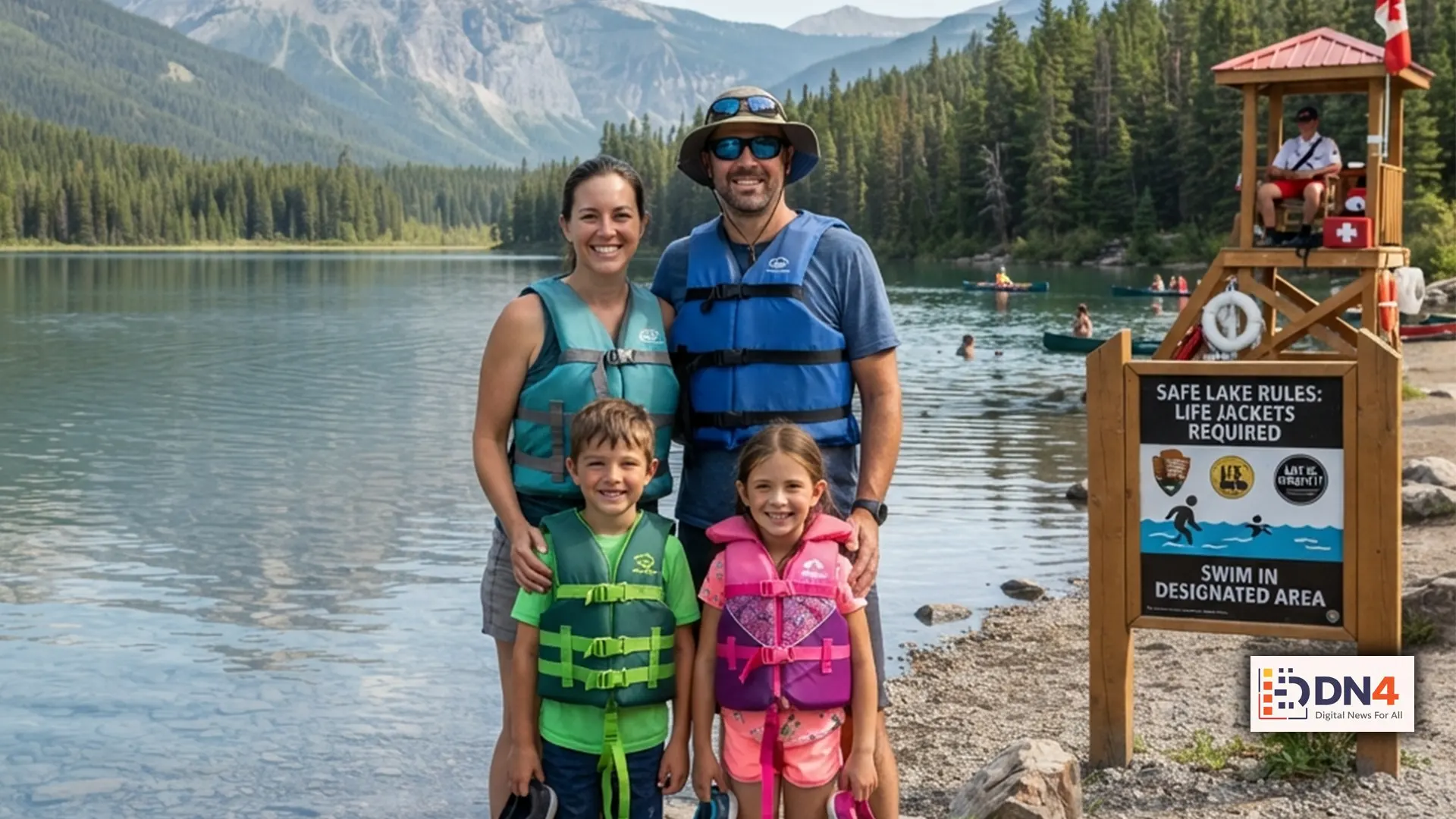
Natural waterways offer recreation, relaxation, and adventure, but rivers and lakes also present hidden dangers that differ significantly from swimming pools. Every year, thousands of preventable drowning incidents occur because of strong currents, cold water shock, slippery rocks, sudden drop-offs, and lack of preparation. Understanding basic open-water safety can help protect families, swimmers, paddlers, and anglers.
1. Never Swim Alone
Always swim with another person, even if you’re an experienced swimmer. In emergencies, immediate assistance can save lives. Choose designated swimming areas whenever available.
2. Wear a Life Jacket
A properly fitted Coast Guard-approved life jacket dramatically improves survival chances, especially for children, boaters, kayakers, paddleboarders, and weak swimmers.
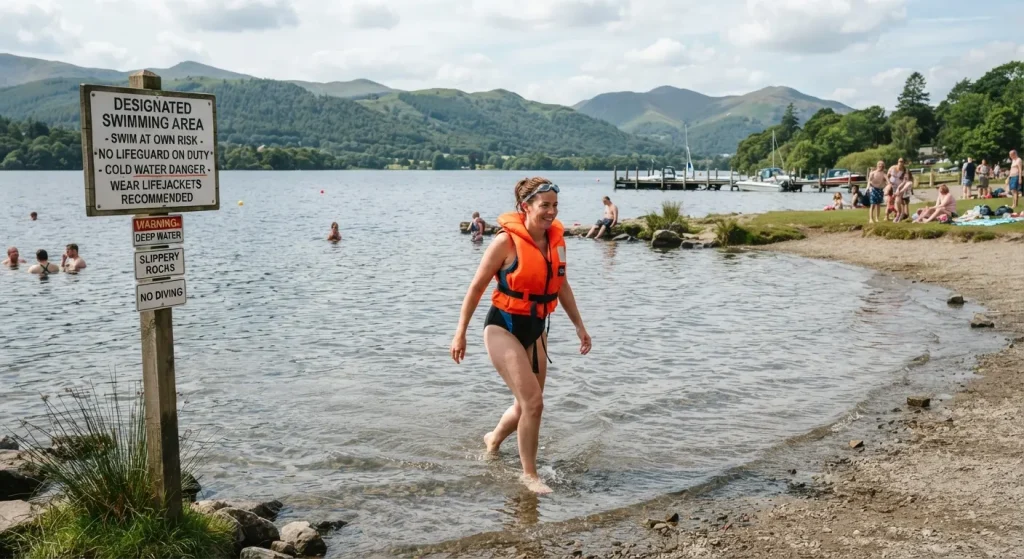
3. Know the Water Conditions
Before entering any river or lake, check weather forecasts, water levels, and current conditions. Heavy rainfall can create dangerous currents, while cold water may cause shock within seconds.
4. Avoid Alcohol Around Water
Alcohol impairs judgment, balance, and reaction time. It remains one of the leading contributing factors in recreational boating and drowning accidents.
5. Stay Away from Strong Currents
Fast-moving rivers can sweep away even skilled swimmers. Never underestimate flowing water, especially near dams, waterfalls, bridges, or flood channels.
6. Supervise Children Constantly
Children require constant, close supervision near any body of water. Designate one responsible adult as the “water watcher” without distractions such as phones.
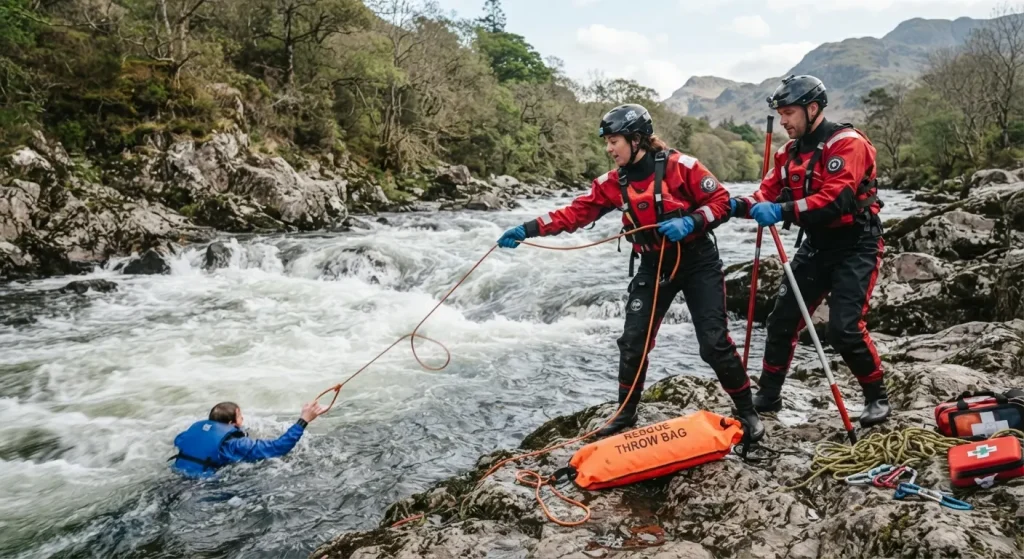
7. Learn Basic Rescue Skills
If someone is struggling, remember: Reach or Throw, Don’t Go. Use a rope, rescue ring, or floating object rather than entering dangerous water yourself.
Emergency Preparation Matters
- Carry a first aid kit.
- Keep emergency phone numbers accessible.
- Know your location before calling emergency services.
- Take CPR and water rescue training.
Follow Official Safety Guidance
Reliable safety information is available from these organizations:
- Centers for Disease Control and Prevention (CDC)
- American Red Cross
- World Health Organization
- National Weather Service
- U.S. National Park Service
- BoatUS Foundation
- Royal Life Saving Society UK
#RiverSafety #LakeSafety #WaterSafety #DrowningPrevention #SwimmingSafety #BoatingSafety #OutdoorSafety #PublicSafety #FamilySafety