

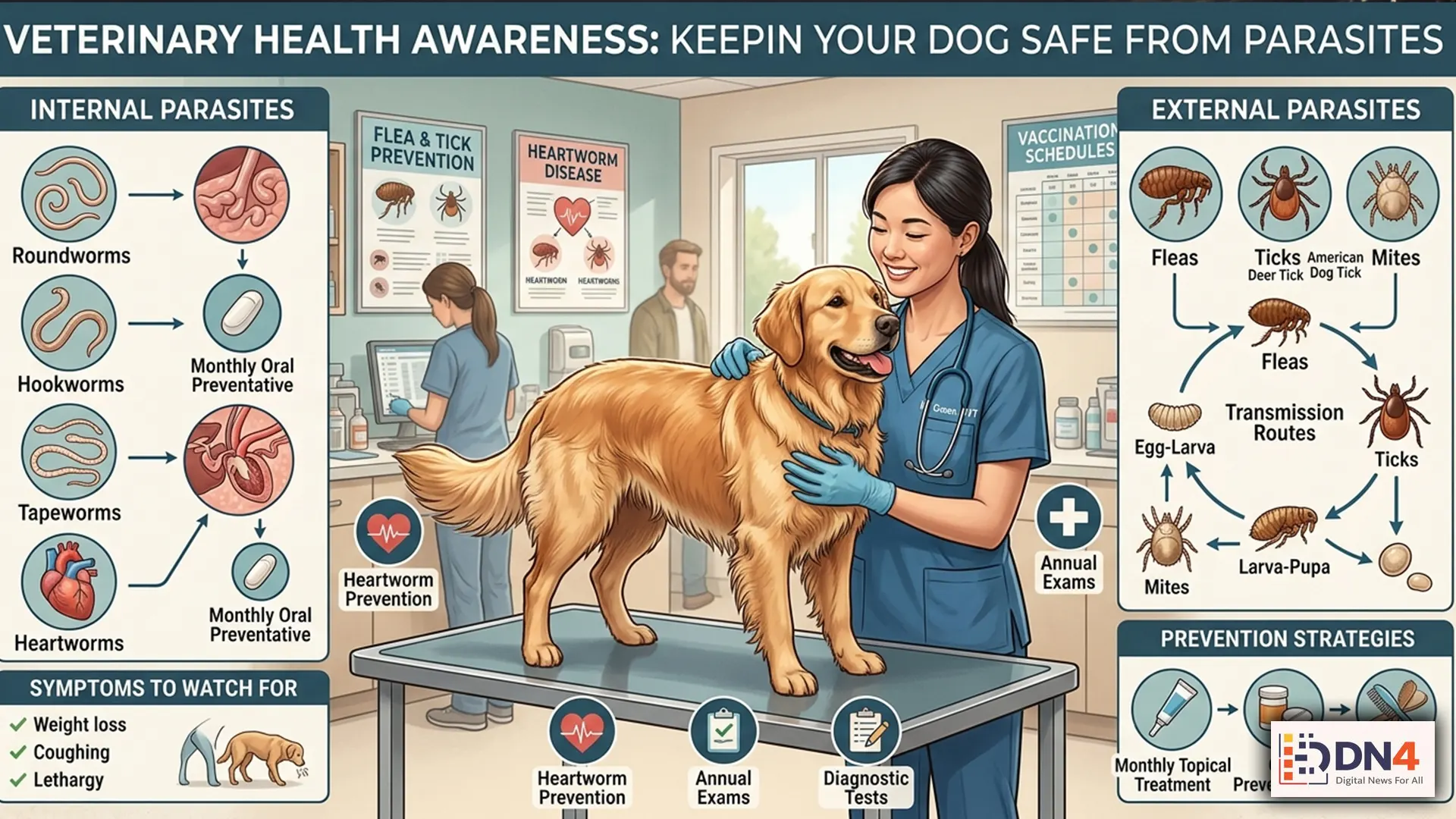
The re-emergence of screwworm cases in parts of the Americas has raised concerns among veterinarians, livestock producers, and pet owners alike. While many people have never encountered this dangerous parasite, experts warn that awareness and early intervention are critical to protecting animals from serious harm. The U.S. Department of Agriculture (USDA APHIS) and the World Organisation for Animal Health (WOAH) continue to monitor screwworm activity and provide guidance for animal health professionals and the public.
What Is Screwworm?
Screwworm is the common name for the larvae of the New World screwworm fly (Cochliomyia hominivorax). Unlike many fly larvae that feed on dead tissue, screwworm larvae invade and consume healthy living tissue.
According to information from the Centers for Disease Control and Prevention (CDC), infestations can rapidly worsen if left untreated, causing severe pain, tissue damage, and potentially life-threatening complications.
Why the 2026 Outbreak Matters
Although extensive eradication efforts significantly reduced screwworm populations in many regions, recent reports have renewed concerns about localized outbreaks and cross-border spread.
Animal health experts from the American Veterinary Medical Association (AVMA) note that increased animal movement, changing environmental conditions, and international travel can create new challenges for monitoring and containment.
For pet owners, understanding the risks can help prevent severe infestations before they occur.
Which Animals Are Most at Risk?
Screwworm can affect a wide variety of warm-blooded animals, including:
- Dogs
- Cats
- Horses
- Cattle
- Wildlife
- Other domestic animals
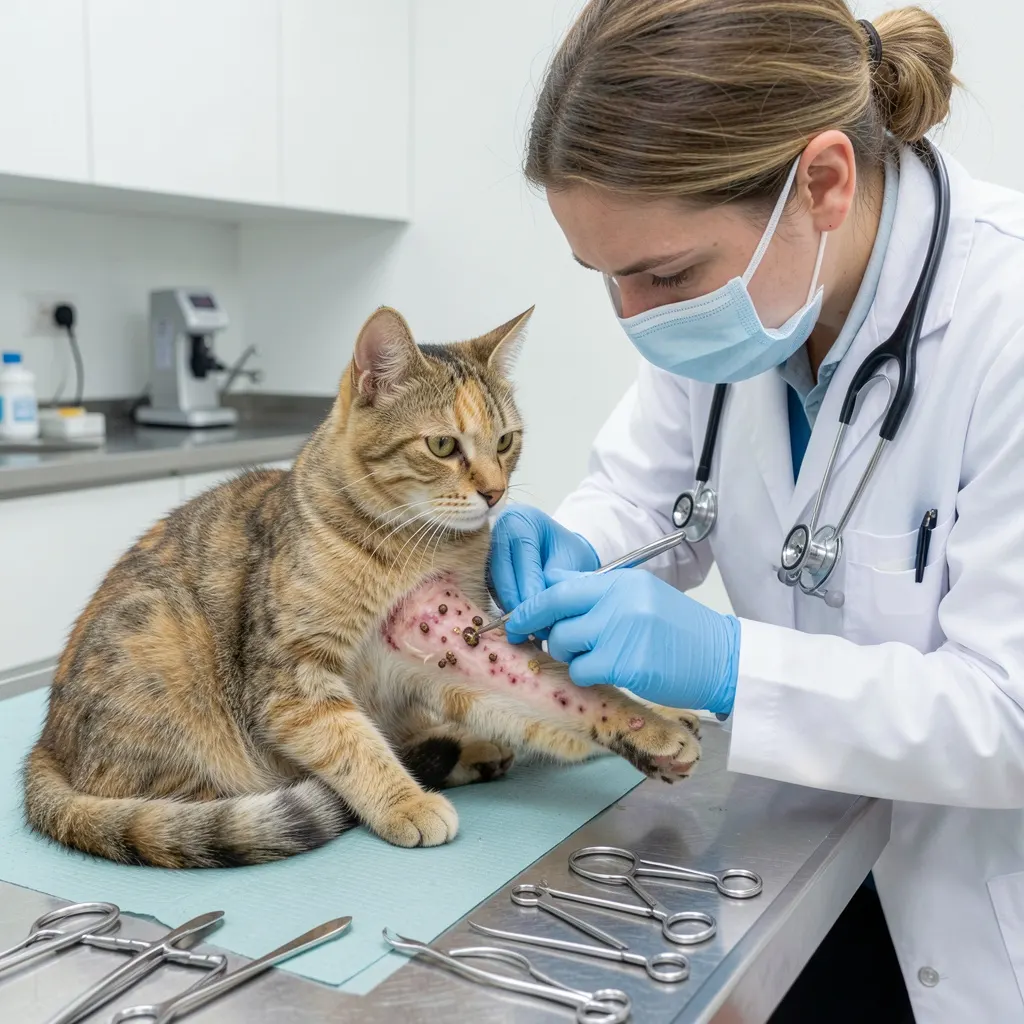
Pets with open wounds, recent surgical sites, skin infections, or untreated injuries may be particularly vulnerable.
Signs Pet Owners Should Watch For
Veterinarians recommend seeking immediate medical attention if you notice:
- Unusual wounds that fail to heal
- Visible larvae within a wound
- Foul-smelling discharge
- Excessive licking or scratching
- Sudden swelling around an injury
- Behavioral changes or signs of pain
Guidance from the Merck Veterinary Manual emphasizes that early diagnosis dramatically improves treatment outcomes.

How to Protect Your Pets
Prevention remains the most effective defense against screwworm infestations.
- Inspect pets regularly for wounds or skin irritation
- Keep injuries clean and properly treated
- Schedule veterinary care for unexplained wounds
- Follow post-surgical care instructions carefully
- Use veterinarian-recommended parasite prevention measures
- Report suspected cases promptly
Regular grooming and routine health checks can help identify problems before they become severe.
The Economic and Public Health Impact
Beyond household pets, screwworm outbreaks can have significant consequences for agriculture, livestock production, and wildlife management.
Organizations such as the Food and Agriculture Organization (FAO) have long recognized the economic importance of controlling livestock parasites and animal health threats worldwide.
The 2026 screwworm outbreak serves as an important reminder that animal health threats can reemerge even after years of successful control efforts. While most pet owners may never encounter a screwworm infestation, staying informed and acting quickly when problems arise can make a critical difference.
Routine veterinary care, wound management, and awareness of local animal health advisories remain the best tools for protecting pets and preventing severe complications.
#Screwworm #PetHealth #VeterinaryCare #AnimalHealth #DogHealth #CatHealth #PetSafety #VeterinaryMedicine #AnimalWelfare #PetOwners